Love the look and personality of the Greyhound, but want something in a smaller package? We’d like you to meet the Italian Greyhound. This adorable breed is blazingly fast but just as happy to snuggle up with you on the couch.
Often called IG, this Clowney canine loves to entertain everyone! Want to know more about the Italian Greyhound dog breed? Stick with us and keep scrolling.
Where did the Italian Greyhound originate?
You may think they’re from Italy just because of their name. But some say that the Italian Greyhound likely originated around 2,000 years ago in the Mediterranean region in what is now Greece and Turkey.
What we’re sure of is that they belong in the same family of sighthounds that includes Greyhounds, Salukis, Afghan Hounds, and Wolfhounds.
Adored by noblemen and women during the Middle Ages in England, they were also popular in southern Europe, particularly in Italy during the Renaissance in the 16th century.
There they were known as the Piccolo Levriero Italiano.
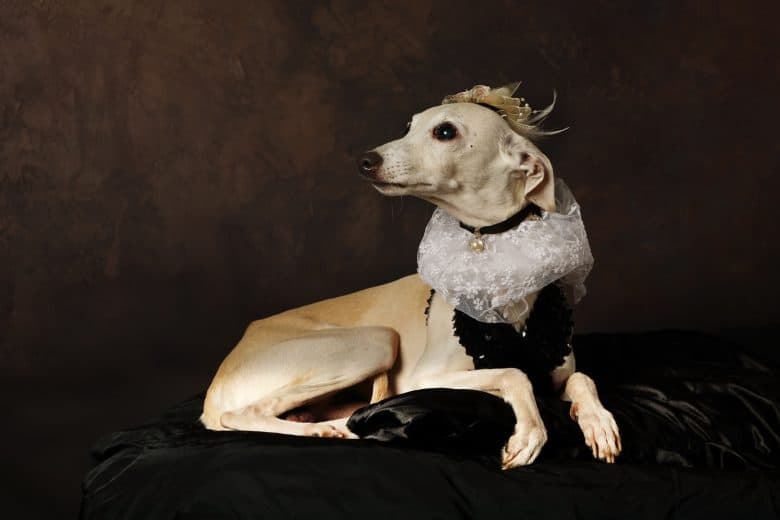
Owning these small dogs was a status symbol. Especially since royalties like Queen Victoria, King James I, and Queen Anne of Denmark had IG dogs, too.
Catherine the Great of Russia loved Italian Greyhounds, as did Frederick the Great of Prussia.
They’re one of the expensive dogs that an African king is said to have paid 200 head of cattle to get an IG.
Even famous artists adored this dog breed, like Giotto di Bondone and Pisanello. These canines were immortalized and painted together with their owners.
But in the US, they gained popularity after World War I.
While they can run extremely fast like their taller Greyhound counterparts, they aren’t as well-known for racing.
Not everyone knows it, but even though they’re bred and kept as companions, Italian Greyhounds are also versatile fidos.
Thanks to their determination, endurance, and speed, they were used throughout history to hunt small game. Some of them can also be seen doing lure coursing or showing around the ring in conformation events.
In 1886, the American Kennel Club (AKC) first recognized Italian Greyhounds and became a part of the Toy Group. The United Kennel Club (UKC) has them under the Sighthounds and Pariahs classification.
What does an Italian Greyhound look like?
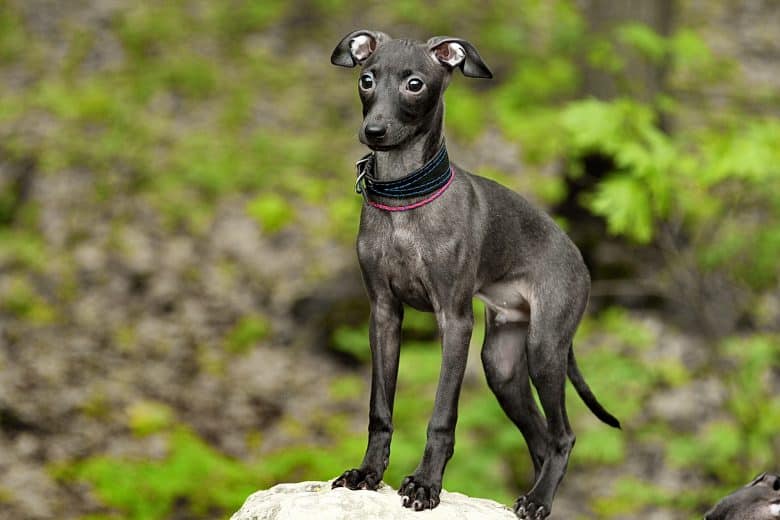
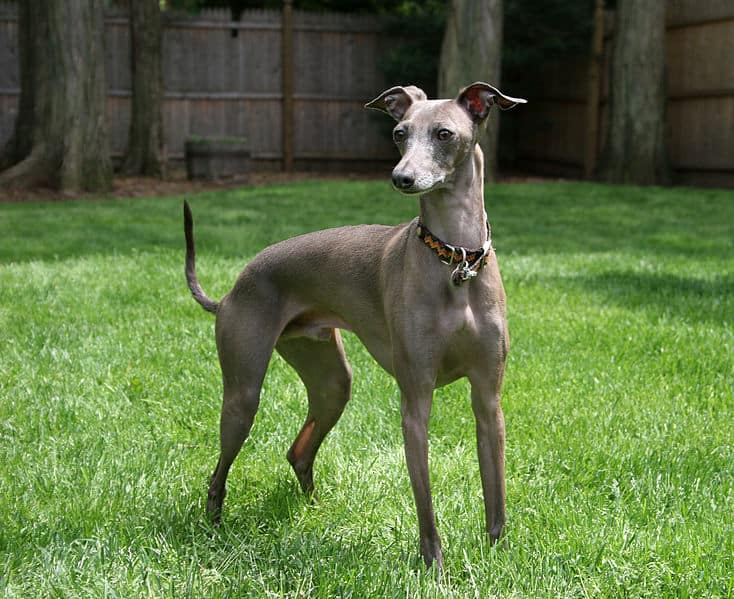
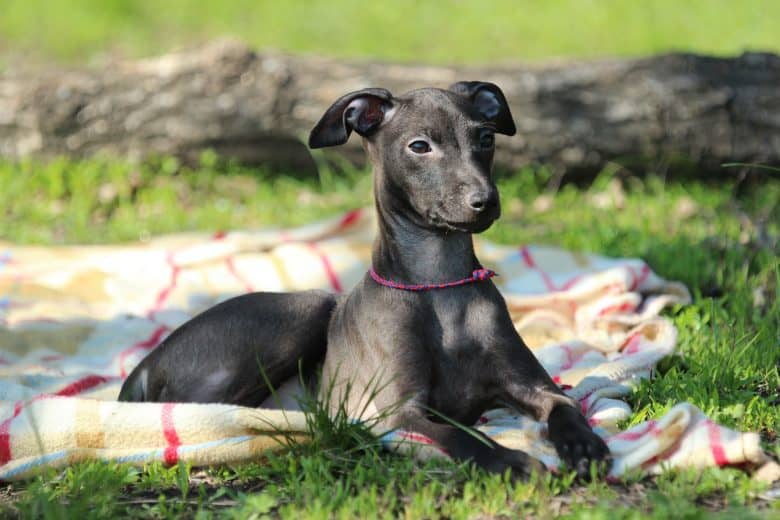
It’s no wonder some refer to IGs as miniature Greyhounds. They have the same physical appearance as the standard Greyhound, but smaller.
Even the AKC breed standard mentions that it is “more slender in all proportions.” They have a curvaceous outline with a bit of arch over the loin.
Adding to their aerodynamic build is their long and flat skull and a long, narrow, tapering nose.
Their muzzle is long but often more narrow than the standard-sized Greyhound’s muzzle.
It has dark eyes and folded ears that give the dog an alert yet cute look.
The neck is long and arched, tapering into their deep, narrow chest. And their shoulders should be sloping and long.
The forelegs are long and straight, while the hindquarters are well-muscled with a well-bent stifle. In motion, these dogs are graceful, with a characteristic free, high-stepping gait.
Height & weight: How big does the Italian Greyhound get?
These toy-to-small-sized Greyhounds stand 13 to 15 inches (33 to 38 cm) tall at the shoulder and weigh between 7 to 14 pounds (3 to 6 kg) when fully grown.
Some may be smaller or larger, but these measurements are what the AKC calls ideal.
Because of the size of these Mini Greyhounds, they’re ideal companions for someone living in a small apartment. But they can be just as happy (maybe even happier) romping around in a huge yard.
The coat & color of Italian Greyhounds
Italian Greyhounds have a short coat that’s glossy and soft. And they can come in a wide range of colors.
Their fur can be blue, blue fawn, all white, cream, fawn, red, red fawn, sable, seal, black, black and tan, blue and tan, chocolate, or any of these colors with white mixed in.
They can also have white, black, or blue markings including a mask.
Planning to have your fido join a dog show? You should know that an IG with brindle or tan markings that are usually found on black and tan dogs is considered a disqualification.
Do Italian Greyhounds make good family pets?
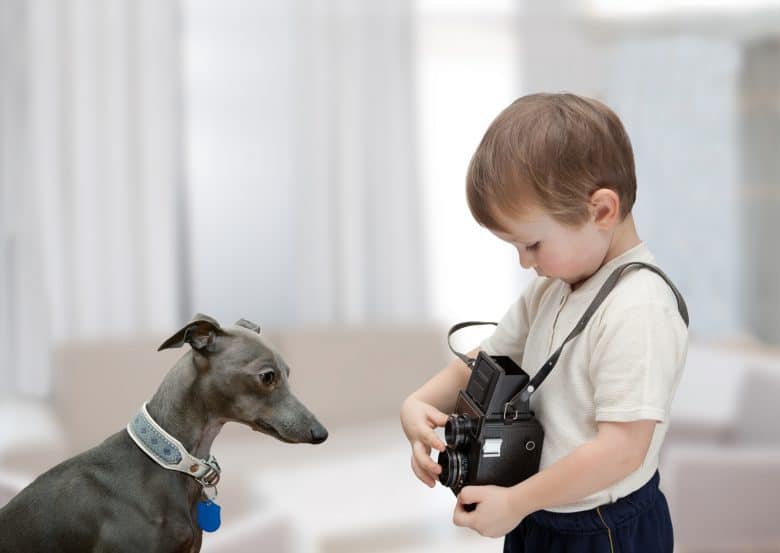
Italian Greyhounds make great dogs for the whole family — provided that everyone is taught how to be careful around them, especially when they’re young.
Kids can sometimes play too rough, and they aren’t ideal for houses with toddlers. Same thing with dogs.
IGs may do well with other dogs and pets such as cats, but be careful if you already own a larger breed or you come across one.
Large canines see tiny dogs as prey, so always supervise your toy hound during playtime.
But we can’t blame if people and other doggos will crowd your Italian Greyhound because this breed is such a clown! They enjoy being the center of attention and would love to cuddle with you.
They don’t realize how small they are, but they’re one of the ultimate lapdogs in Dogdom.
That doesn’t mean they’re lazy, though. Like the Greyhound, they are more likely to have a quick, intense burst of energy (like when they chase after something interesting) and then spend the rest of the day being a couch potato or lounging in your lap.
Some people do wonder if Italian Greyhounds are smart, though. The thing is, they’re very clever!
It’s just that these pups have an opinion on whether an activity or a situation is fun or entertaining. If not, they’ll ignore their human.
Other than that, these little dogs are playful, alert, and sensitive. It may not be that obvious because they’re reserved with strangers.
But with their family, they don’t have any issue showing how affectionate and loyal they can be.
You can watch this video to see how great entertainers (and fashionable!) Italian Greyhounds are:
In case you’re wondering if IGs are dangerous — they’re not. Any dog that is mistreated or poorly bred will react by being snappy and fearful.
So, as long as your small hound has been bred, raised, trained, and socialized properly, then he’ll grow up to be a well-rounded dog.
Can Italian Greyhounds be left alone?
This purebred was created to be a companion. If it’s left alone for long periods every day, it can eventually suffer from separation anxiety.
You’ll probably notice that your Italian Greyhound wants to be with you all the time. And if you’re not around, he will get anxious, upset, or scared.
If it gets worse, your pooch will show how he feels by misbehaving or being destructive. He’ll start urinating and defecating where he’s not supposed to. He’ll dig, chew, pace, and also bark excessively.
But with training, including crate training, you can teach your pup how to be comfortable when you leave and trust that you’ll be back.
And while we’re on the topic of teaching your doggo, you might’ve guessed that smart breeds are difficult to train. If they get bored, it will lead to stubbornness.
So aside from the usual positive reinforcement, consistency, and dedication, you also have to be creative if you own an Italian Greyhound.
Shake things up every training session, like going to the park to train him instead of the usual backyard, and keep it engaging. And yes, one of those is treats!
Oh, you also have to be patient when potty training your IG. Most small dogs are challenging to potty train and your fido may never be 100% reliable with housetraining.
How to take care of your Italian Greyhound

Italian Greyhounds can be high maintenance when it comes to their care needs. While you won’t have to spend a lot to take care of their coat, they need care and attention to keep them healthy.
For instance, many people build little shelters for their dogs to go potty outdoors so they won’t get wet or snowed on during inclement weather. Others use a sort of indoor litter box during windy, rainy, and snowy days.
On chilly nights, they’ll likely want to burrow under your blanket and you may need to get them a sweater or coat for those cold days.
Just imagine if you were outside without any clothing on. If you’d be chilly, your IG feels the same.
Exercising your Italian Greyhound
Italian Greyhounds have two energy settings: low and high. They rarely have anything in between. That means when they’re relaxing, they do it all the way, sleeping or laying in a sun patch.
But when they want to play, they’ll be zooming around like a tiny racing Greyhound. They can run up to 25 miles per hour, and they aren’t afraid to show it.
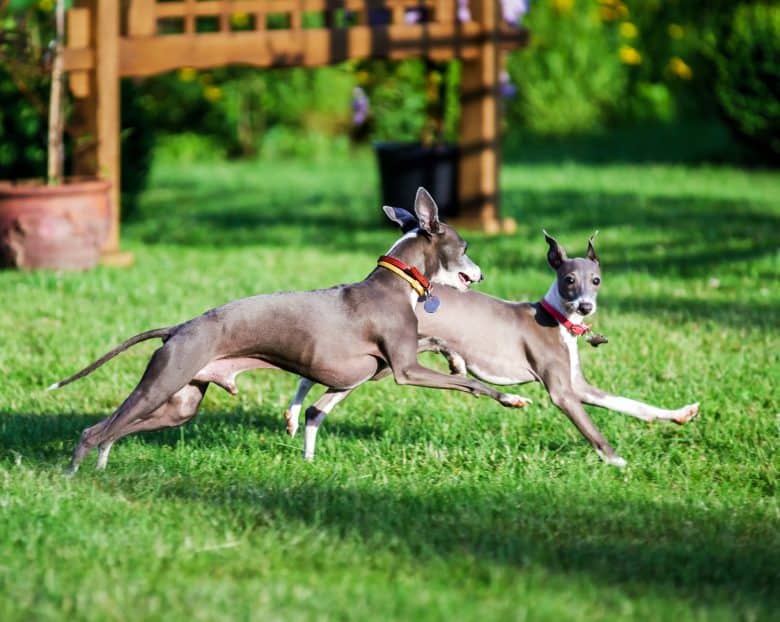
In fact, if they see something that catches their eye, they’ll be off in a flash and you won’t have much chance of catching them.
They can even seem to go spontaneously deaf as they completely ignore you to catch their prey.
That can be dangerous if they get loose around a busy road or somewhere where you can’t catch them.
Despite their small size, they make the perfect running companion. If you like to go for a jog, this is a great dog to bring along. Just remember to keep them warm and cool them off as the weather gets cold or hot.
Grooming: Do Italian Greyhound shed?
Italian Greyhounds aren’t considered hypoallergenic because they shed year-round.
They have short, small hairs and you’ll find the hair on everything, from the sofa to your clothes. Luckily, because they’re so small, you won’t see a ton of it.
Thanks to their short hair, they don’t need a lot of brushing. Just a wipe down with a short-hair brush once a week should do.
However, you should brush your teeth once a day, because IGs are prone to periodontal disease. You should also clean their ears once a week or so.
IGs aren’t smelly dogs, but you’ll still want to bathe them regularly. Every 6-8 weeks should do unless your dog gets mucky.
Most of these small pooches don’t particularly love baths, but if the water is warm and you make a game out of it, you can get them to tolerate the chore.
Feeding: Italian Greyhound Food Consumption
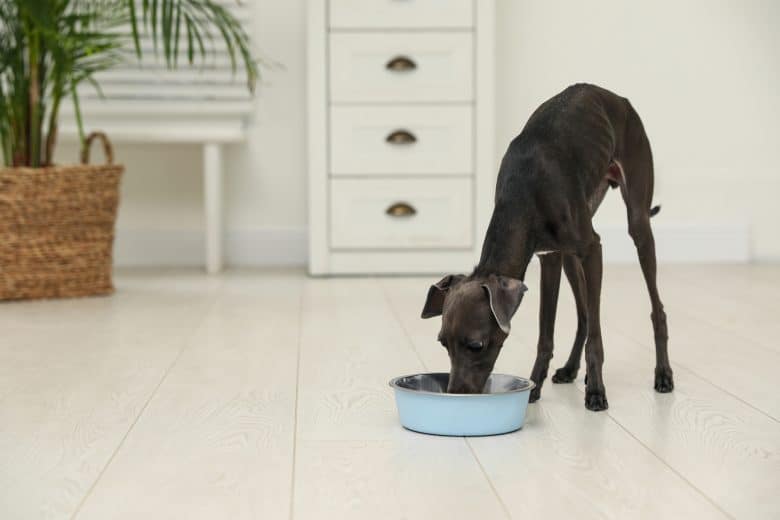
They may be tiny, but Italian Greyhounds still need to eat, of course. Depending on your dog’s size and energy level, they’ll need anywhere from about 350-450 calories per day of high quality, high protein food.
That translates to about ½ to ¾ cup of dog food per day.
Don’t feed them stuff with fillers like corn and wheat. Choose food with meat as the first ingredient. Split their food between two meals.
IGs can be picky eaters and they may turn their nose up at a meal if they don’t like the food you’re offering. They may also stop eating if they’re not feeling well.
If your dog doesn’t eat for several days, you may want to chat with your veterinarian.
Just don’t be tempted to ply them with treats to force them to eat something. They may just be trying to manipulate you to get a better snack.
Some people look at these lithe dogs and wonder if they should be fed more. After all, you can often see their spine and ribs through their skin. But that’s how the dog should look and it doesn’t mean that they are unhealthy.
Many sighthounds, including Greyhounds, Whippets, and Italian Greyhounds are just naturally skinny. In fact, if you can’t see the outline of their last rib, they may be overweight, which is unhealthy.
Do Italian Greyhounds have health problems?
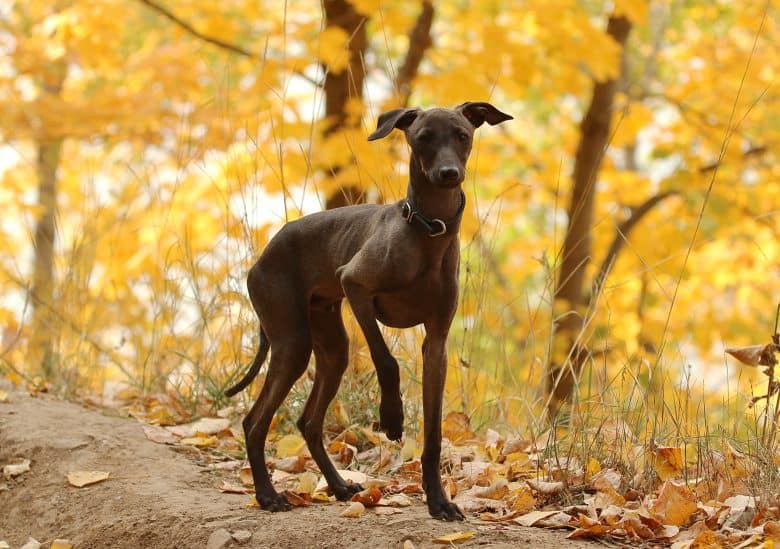
Italian Greyhounds have an unfortunately long list of health problems. Finding a good, responsible breeder can help you avoid some of these problems, so be sure that you’re getting your dog from a good breeder.
Here are some of the common issues you’ll come across.
IGs have eye problems like cataracts, vitreous degeneration, and Progressive Retinal Atrophy (PRA).
They may also have joint problems like patellar luxation (dislocation of the kneecaps) and Legg-Calve-Perthes disease, which causes dogs to limp and eventually become lame.
Fortunately, they are one of the few dog breeds not plagued by hip dysplasia.
They also suffer from Von Willebrand’s Disease, which is a dangerous bleeding disorder, and thyroid issues like hypothyroidism, as well as allergies. Some dogs develop epilepsy, which causes seizures.
Others have cryptorchidism, a condition where one or both of the testes don’t descend properly. Also, watch for Portosystemic Shunt (PSS).
A health screening when adopting or buying a dog is essential to help avoid some of the more serious and devastating diseases.
Most IGs have a long life span and live between 12-15 years.
A surprising number die from accidents, according to the most prominent breed club, the Italian Greyhound Club of America, with cancer, heart problems, and old age also causing a number of deaths.
How much are Italian Greyhound puppies?
If you decide to buy an Italian Greyhound puppy, get your wallet ready. They aren’t cheap. Expect to pay anywhere from $1500 to $2000 or more.
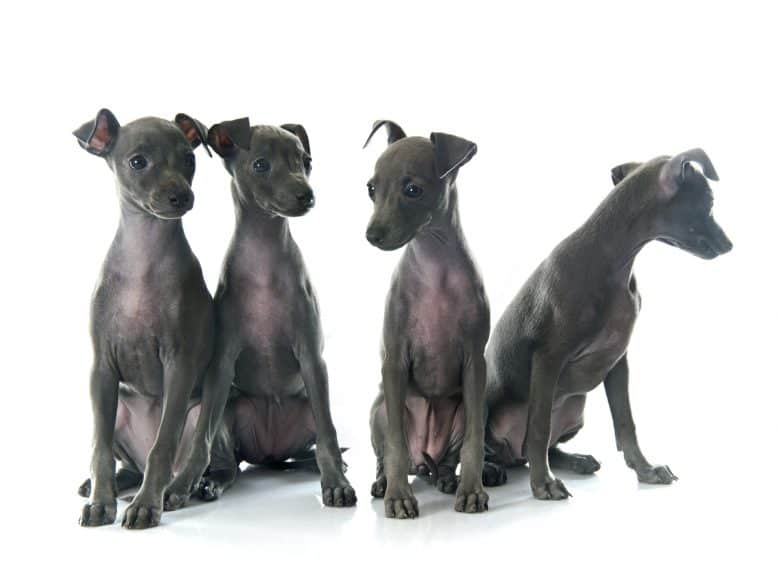
You also want to be sure to look for a responsible breeder, not only to ensure that your dog has good health, but breeders aim to create dogs with good personalities.
First, don’t buy from a pet store or a puppy farm.
You might get a cheaper price or fall in love with a puppy in a window, but these dogs will likely have health issues, personality problems, and they’ll be extremely difficult to potty train.
Don’t forget the cost of owning a dog on top of the purchase price.
You need to feed them, take them to the vet regularly, pay for emergency vet visits, and you’ll definitely need to invest in some sweaters if you live in a cold area.
You’ll also likely want to get them a bed, a crate, toys, etc.
Italian Greyhound Breeders
Consult with the Italian Greyhound Club of America or the AKC to locate a good breeder. Both will direct you to breeders that have been screened and are working to improve the breed.
A good breeder will let you meet the parents, check out their home, and will give you a health guarantee. They will also agree to take the dog back for any reason if you can’t keep them.
Italian Greyhound Rescue / for Adoption
Don’t forget that you always have the option to adopt rather than purchase your dog. Rescues have wonderful dogs looking for new homes, and they can have both puppies and adults.
You may even want to rescue two dogs so that they have each other, which can provide comfort and entertainment for both of them. Plus, you get twice the love and you can feel good knowing you rescued two animals!
Italian Greyhound Compared to other breeds
It’s easy to confuse Italian Greyhounds with the breeds that look similar to them. Here are the differences.
Whippet vs. Italian Greyhound
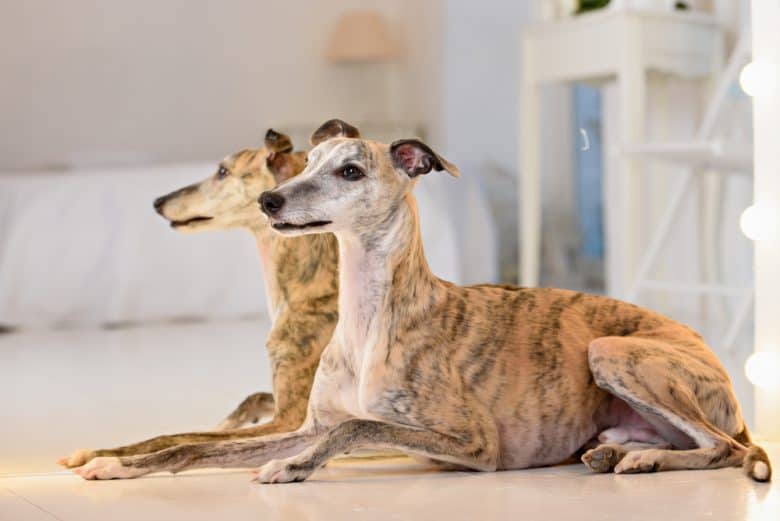
Whippets and Italian Greyhounds are different dogs, though they are related. Whippets are larger and are part of the Hound Group rather than the Toy Group.
IGs tend to have more energy even when they are adult dogs, whereas whippets are similar to Greyhounds in that they are very lazy most of the day until they decide to blast around the yard for a few minutes.
IGs tend to have higher exercise needs.
They also tend to retain their puppy-like personality even when they get older.
Greyhound vs. Italian Greyhound
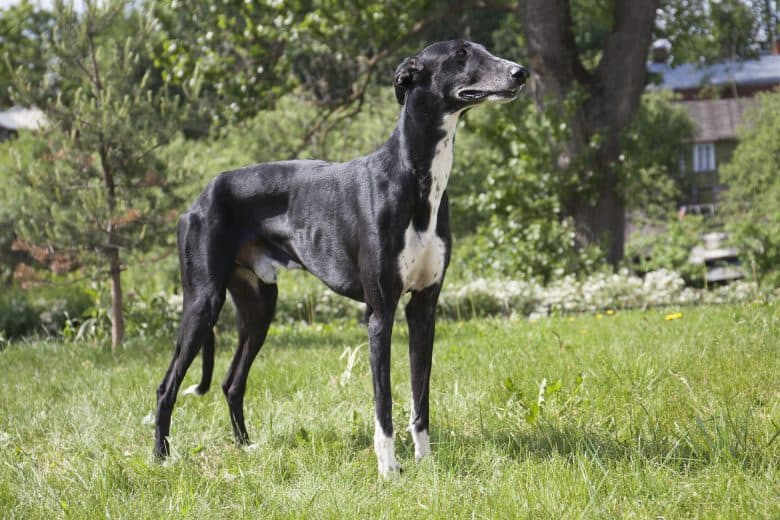
Besides the size, IGs and Greyhounds have some other differences. Again, IGs are more active and more playful and puppy-like, even as adults.
Italian Greyhounds are also more susceptible to the effects of cold weather because of their tiny bodies and low fat.
Greyhounds don’t love cold weather either, but they can handle more extreme temperatures.
Both are gentle and friendly, but Italian Greyhounds want to be on your lap snuggling, whereas Greyhounds are happy with a spot on the couch near you.
Italian Greyhound mixes
Instead of a purebred Italian Greyhound, some people opt for Greyhound mixes.
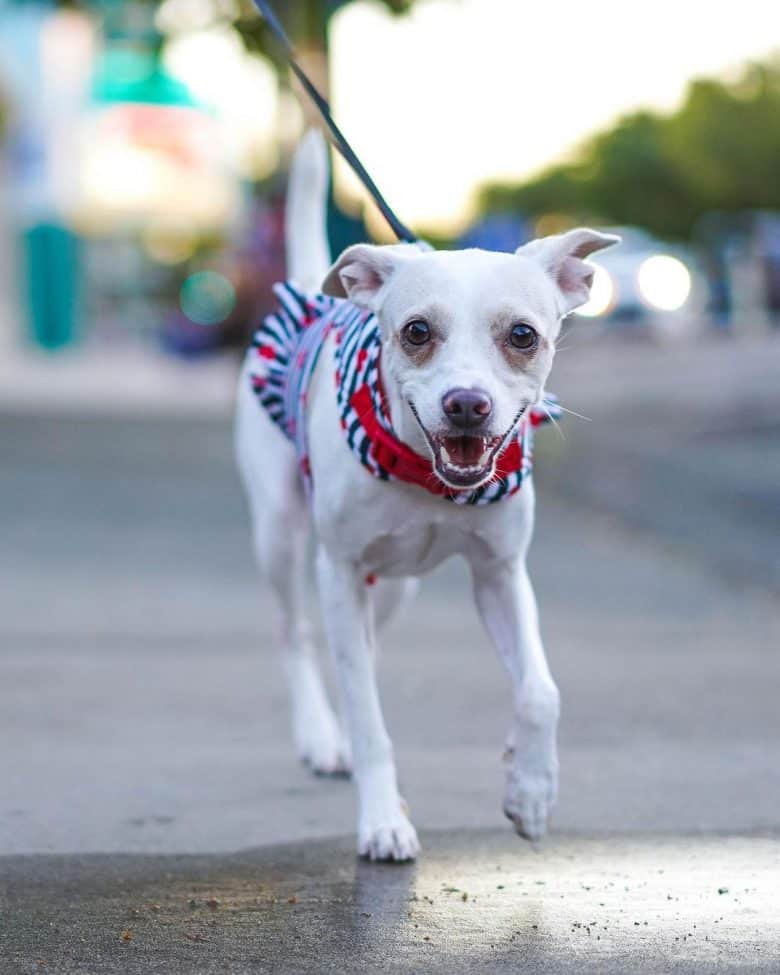
For instance, the Italian Greyhuahua adds in the playful, teeny tiny Chihuahua. These dogs are typically small and a bit more active. They can also have a small dog attitude.
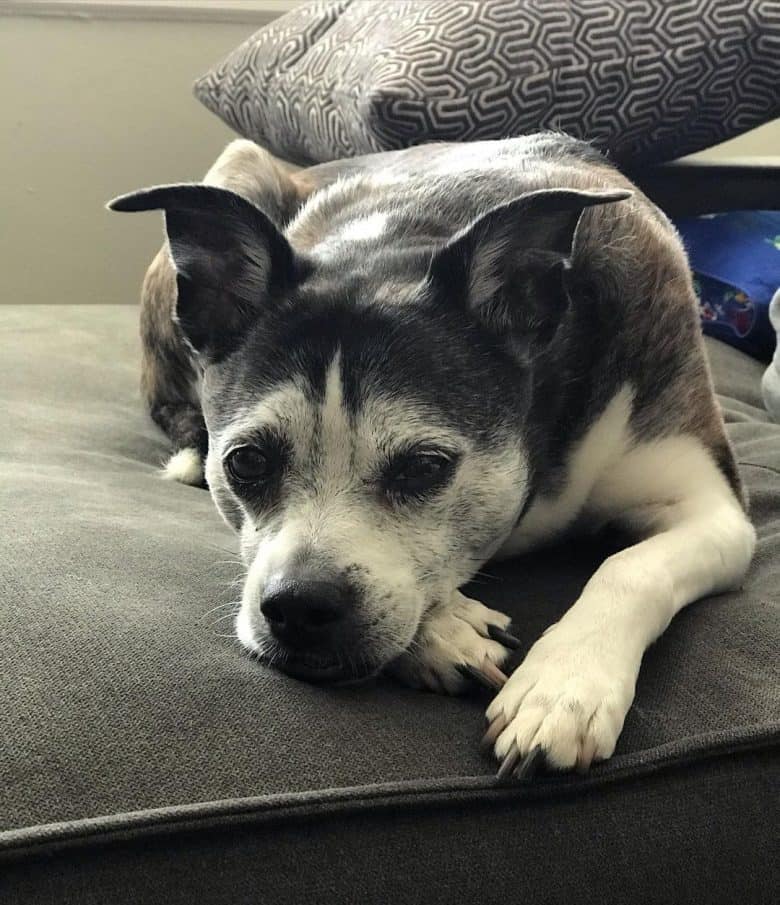
The Boston Iggy is a Boston Terrier mixed with an IG. They are a bit bulkier and larger, with a flatter face.
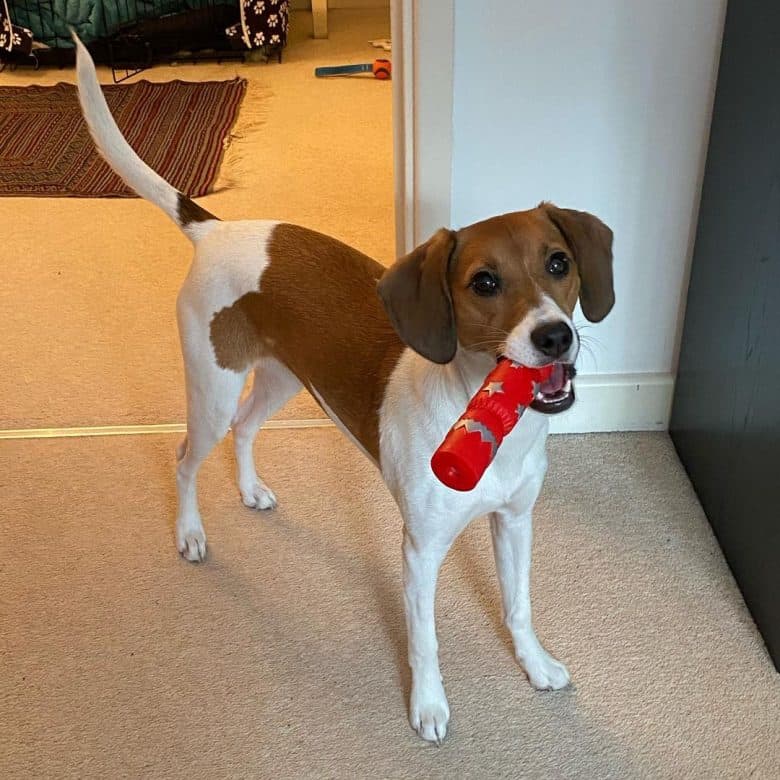
The Italian Greagle combines Italian Greyhounds and Beagles, resulting in a bulkier, larger dog that is a bit more vocal and constantly active than an IG.
Who should get an Italian Greyhound dog?
So who should bring an Italian Greyhound home? Are they good for first-time owners? What about families?
The IG is a great dog for someone who wants a jogging companion that can also snuggle on the couch at the end of the day.
They’re good for families, though be careful around babies. Apartment dwellers will love this small dog, but people will big yards will be happy, as well.
The downside to an IG is that you’ll likely have to deal with potty accidents in the house.
You’ll also need to be sure that you are protecting them from the heat and cold and providing them a soft place to snuggle up. If you are away all day at work, you might not want to get one of these loving dogs.
Also, be ready to deal with the health conditions that plague these dogs, and you’ll have to be careful to protect them from accidents.
Don’t let that put you off. These are wonderful dogs that will charm you with their sweet personalities and regal appearance.

Cess is the Head of Content Writing at K9 Web and a passionate dog care expert with over 5 years of experience in the Pet Industry. With a background in animal science, dog training, and behavior consulting, her hands-on experience and extensive knowledge make her a trusted source for dog owners.
When not writing or leading the K9 Web content team, Cess can be found volunteering at local shelters and participating in dog-related events.