Dog owners will probably have a better life and relationship with their pets if we know how to communicate with them. But since dogs can’t talk, they speak with us differently — through body language.
Hold off that “bad dog” drama and find out how to deal with your dog’s actions, why she does certain things, and what’s normal by digging deeper into the common dog behaviors. Keep scrolling!
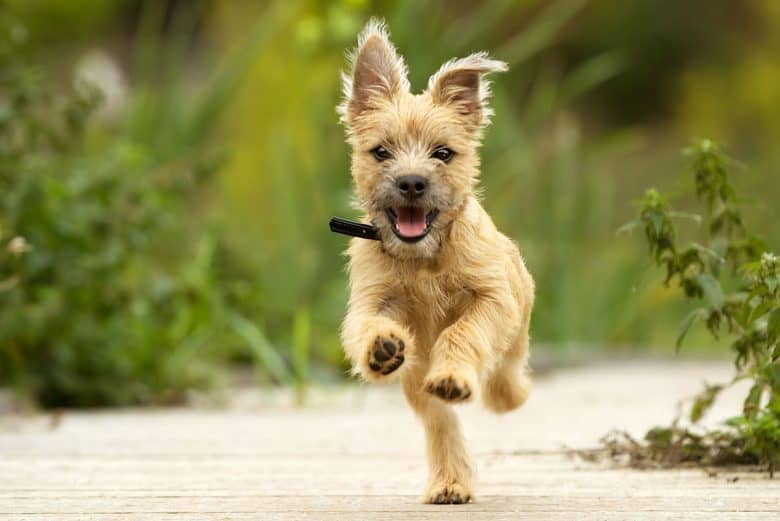
Dog behaviors and what they mean
Millennia of coevolution with humans have reshaped canine behavior. Other than the usual pet care we provide, our furry friends can understand our facial expressions and body language, too.
They may even be better at understanding us than we understand them.
Dogs have also shown that they have empathetic concern towards humans, regardless if it’s their owner or a stranger. If someone is distressed, they’ll pay attention to that person more.
So if we know what to look for with our dog’s body, we can have an idea of what those eye glazes or facial expressions mean, and their body posture.
Like when a dog licks their pet parents, this could be her way of showing respect.
Certain behaviors can have different meanings depending on the situation.
If your dog humps, it might be masturbation because your doggo is in heat, or it could be a sign of an ill-mannered pup that doesn’t understand that it’s unacceptable for us.
Not many people know this, but humping is a way for canines who are unsure of their place in the pack to see which one will accept or fight that dog for its behavior.
Another thing that affects the overall adult dog behavior is their height and weight. So we can’t expect dogs to act the same, especially if they significantly differ in size.
Keep in mind that dogs wanting to communicate with humans is separate from their desire to communicate with other dogs.
One study found that those in multi-dog households played with their humans the same amount as pets in one-dog homes.
They also speak with other dogs in ways that we can’t detect, like through scents and pheromones. Even something innocuous as urinating can be used to send a message.
Many theories surround dog behaviors. One that caught steam at the turn of the century was the alpha-dog theory. It states that dogs have a dominant or submissive relationship with humans.
Therefore, humans need to ensure they’re the dominant partner in the relationship.
However, this theory has been disproven time and time again. For example, studies have found no difference in a dog’s behavior based on whether they win the games they play with their people, like tug-of-war.
The only difference in behavior found was that dogs who start most games are less amenable and are likely to be aggressive dogs.
As you can see, dog behavior can be a bit more complicated than you initially thought. So let’s make a list of the good and the bad manners that dogs have and what they actually mean.
Common signs that your dog is happy
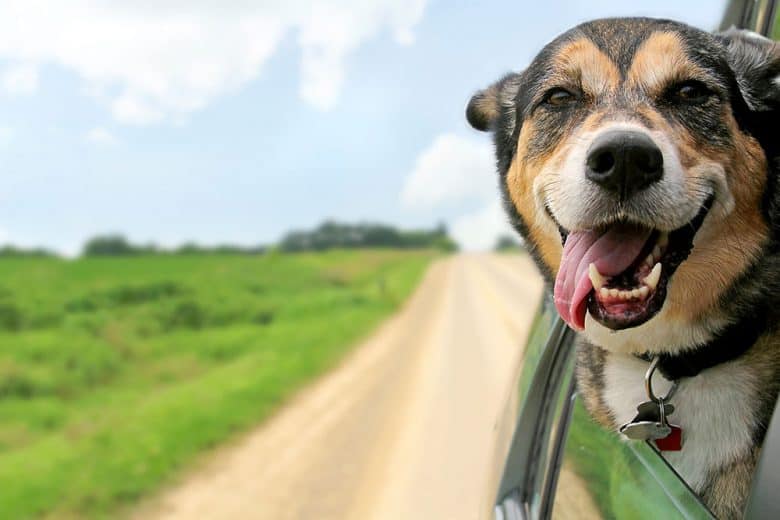
We do everything for our dogs, but sometimes, it’s difficult to tell if they’re happy or not. There are a few signs that usually point towards your canine being content, but these behaviors can have other meanings.
Interpreting them will take time and practice.
1. They greet you when you get home
Typically, if a dog is happy to see you, they’re satisfied with their current life situation. If they greet you at the door, they’re delighted to see you and probably like spending time with you!
This behavior also rings true for other situations where you aren’t technically getting home, like when you wake up in the morning.
Of course, dogs may rush to greet you for other reasons, too – like if their food bowl is empty. However, if it’s a regular thing, they’re probably just happy to see you.
2. They expose their belly to you
A dog’s underside is a very vulnerable spot. However, dogs also love belly rubs, though they usually do not ask for belly rubs from people they don’t trust.
A dog that sticks out its tongue and rolls over is a very happy and comfortable canine.
This willingness to rollover should not be confused with submission or fear. If the dog shows its belly but is very stiff, it is likely trying to be submissive and not trying to get affection.
3. They mind their manners
Dogs can misbehave for all sorts of reasons. Often, it is because we failed to meet their needs. A teething puppy may chew something up because its gums hurt, and sees that chewing is its only outlet.
A Border Collie may decide to rip open the food in your cabinets because it’s bored.
If a dog isn’t behaving appropriately, something is wrong, and it’s probably not happy. There are a few exceptions to this rule, of course.
Like jumping up, certain behaviors aren’t because they are unhappy, but because they are excited.
4. They cuddle up with you on the couch
A dog that likes to cuddle with you is trusting and happy. This behavior isn’t a sure giveaway, but it can be a clear sign of happiness when paired with other actions on this list.
5. They lean into you
Usually, this is a sign that they want to be close to you. A dog that is seeking affection is usually one that has had all its other needs met.
If a dog is hungry or bored, they will be fixing those problems instead of looking for affection.
6. They assume the “play bow” position
This stereotypical position involves a dog putting their front legs down and keeping their butt in the air. Dogs tend to do this when they want to play, and dogs don’t usually want to play unless they’re content.
7. Their appetite is healthy
Stressed dogs tend not to eat – just like people who have anxiety. It’s safe to say that a happy dog has a healthy appetite.
Of course, some will eat no matter what, so this isn’t a fool-proof behavior that signals your dog is content.
A lack of appetite can also signal illness since most dogs don’t eat while in pain. If your fido suddenly stops eating, you should contact your vet.
8. They tilt their head when looking at you
This can mean that your pooch is paying careful attention to what you’re saying. An unhappy dog will probably be more worried or distracted about other things.
Furthermore, an attentive dog when you’re talking shows a strong relationship with you, which increases the chances that it’s happy.
9. They get excited when the leash comes out
Many dogs like to walk. However, if a dog is stressed or in pain, it’s probably not looking forward to that daily stroll. Happy dogs are always thrilled when they hear their favorite word that means going out.
10. They get the zoomies
Formally known as Frenetic random activity periods (FRAPs),
The zoomies are a sudden release of energy many dogs experience. A typical behavior among all types of dogs, it usually involves them running around seemingly uncontrollably.
There are many reasons dogs may get the zoomies. However, stressed and anxious dogs usually don’t get them.
11. Rapidly wagging tail
A full-body wag occurs when a dog wags its tail so hard that its butt starts to wag as well. Common among smaller, excitable dogs, it can also be a sign that they are happy since they’re getting pretty excited about something.
12. They appear calm and relaxed
There are many reasons why a dog may not be relaxed or calm. However, if they are relaxed, they are likely content and don’t have much to worry about.
13. Floppy Ears
Dogs can communicate a lot through their facial expressions, which usually involve their ears. Whenever they are scared, their ears tend to pull back.
They may try to make themselves smaller to appear less of a threat to whatever they are afraid of.
When they are angry, they will have stiff ears, though they may be straight up or flattened against their skull. Soft, floppy ears, which are not stiff or rigid, is an indicator of contentedness.
14. Soft Eyes
Dogs with soft eyes blink often and have relaxed eyelids. They are not concentrating on anything in particular, which likely means they aren’t worried about anything at the moment. A calm dog is typically a happy dog.
15. Smiling
Some dogs “smile,” while others don’t. Usually, it depends mostly on the breed. Either way, all dogs will have a lax mouth when they are happy.
If your dog’s mouth is open and some teeth are visible, it is a good sign they might be feeling joy, not be confused with panting or snarling, which can be a sign of anxiety or aggression.
16. Lots of Sleep
Relaxed dogs sleep. If your dog is sleeping, it means they aren’t stressed. Typically, this signifies that they are happy and aren’t worried about much going on in their lives.
Just like people, stressed dogs tend to have a hard time sleeping.
What are common dog behavior problems?
Bad dog behaviors are often something that humans find difficult to live with. Pet care and responsible ownership is ensuring your dog does not pose a threat or a nuisance to others.
Telling others “my dog bites” can prevent accidents from happening, but why does your dog do it?
1. Hyperactivity and Unruliness
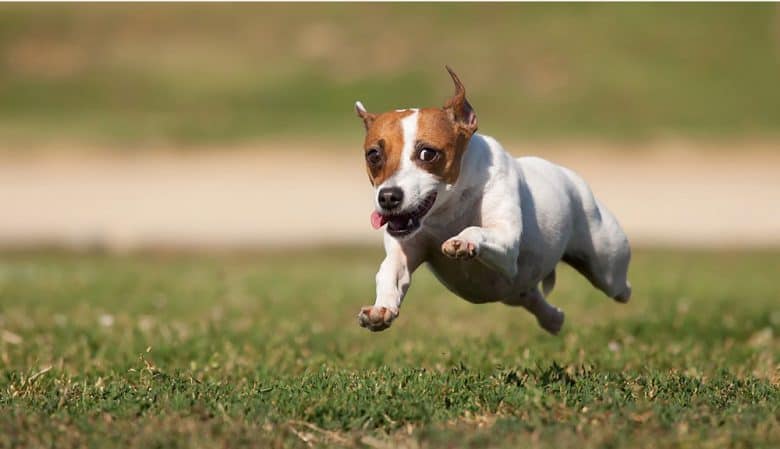
Overly excited dogs may need more activity in their life. When a dog doesn’t get enough exercise, they tend to run around whenever they get the chance, making them seem hyperactive.
However, the basis of this behavior is an unmet need.
It isn’t something you can “train out.” Your fido would need to workout daily. And don’t mistake leaving your pet in the backyard alone as exercise. Dogs usually won’t get enough exercise if just left to their own devices.
2. Excessive Barking and Whining
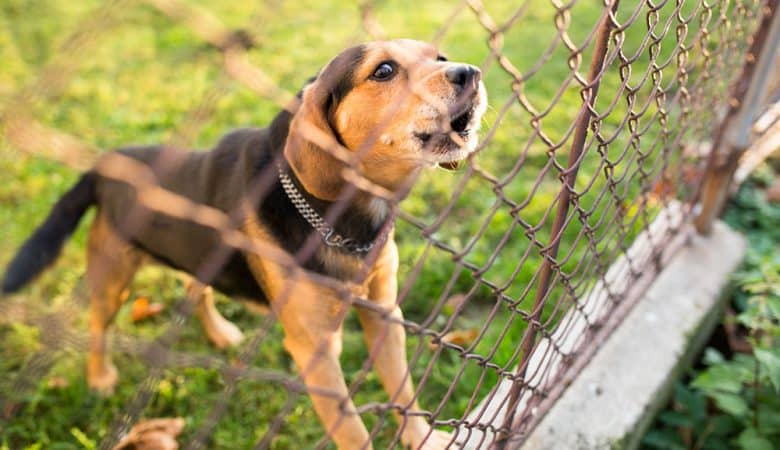
A dog barks for all sorts of reasons. Some dogs howl instead of bark, like Huskies. Typically, smaller dog breeds tend to be noisier than large dogs.
Luckily, quietness is something you can teach dogs once you determine why they are vocalizing. It could be due to an intruder, for attention, boredom, anxiety, or in response to other dogs.
To curb this behavior, start by rewarding them for being quiet. Whenever they start barking, grab some treats and give them one whenever they pause. You can also connect a spoken command to this, like “quiet.”
3. Aggression
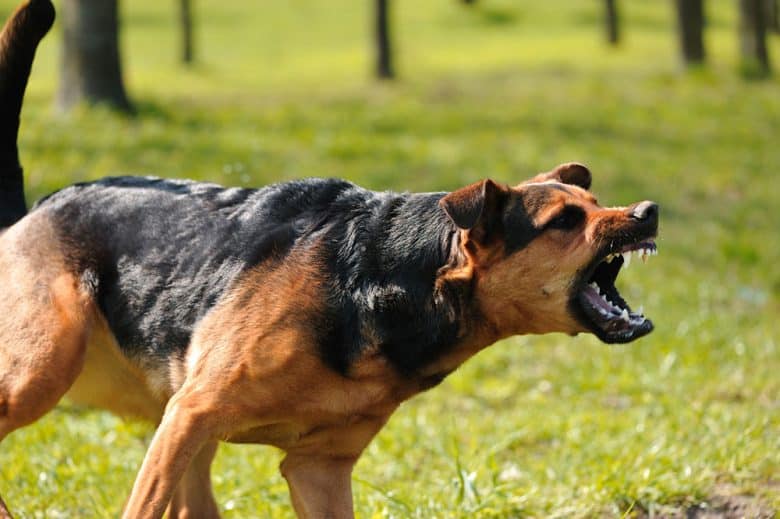
Aggression is a challenging behavior to overcome, as it can have many different causes. Many dogs are aggressive when they are scared.
Therefore, to keep them from being aggressive, you need to help them conquer their fears.
Some dogs are territorial. Sometimes, this is innate in the breed. Some breeds just don’t get along with other dogs. Socialization is always helpful in this case, however.
Start slow and simple. Walks in areas with other dogs can be an excellent place to start. Working with a dog trainer is recommended.
4. Destructive Chewing
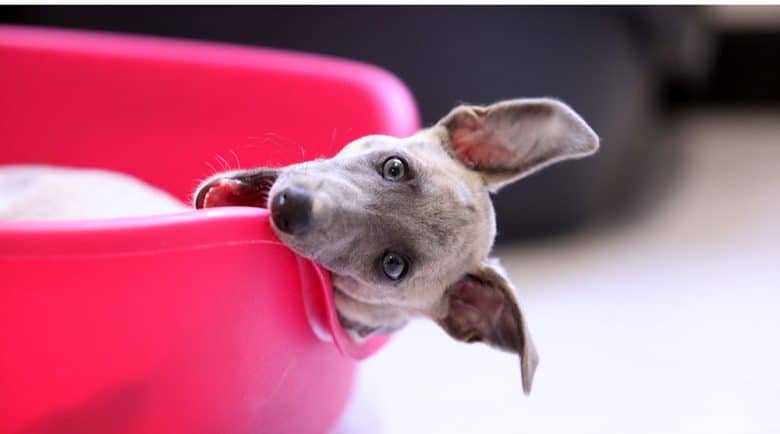
Destructive chewing usually boils down to two things: teething or boredom. Bored dogs will find a way to entertain themselves, and sometimes this involves chewing on things they shouldn’t.
The best way to avoid this is to keep them entertained. Puzzle toys can be beneficial in this regard.
If your puppy is teething, you may want to try teething chew toys and other pain relief ideas to prevent bad habits from forming.
5. Pulling on the Leash
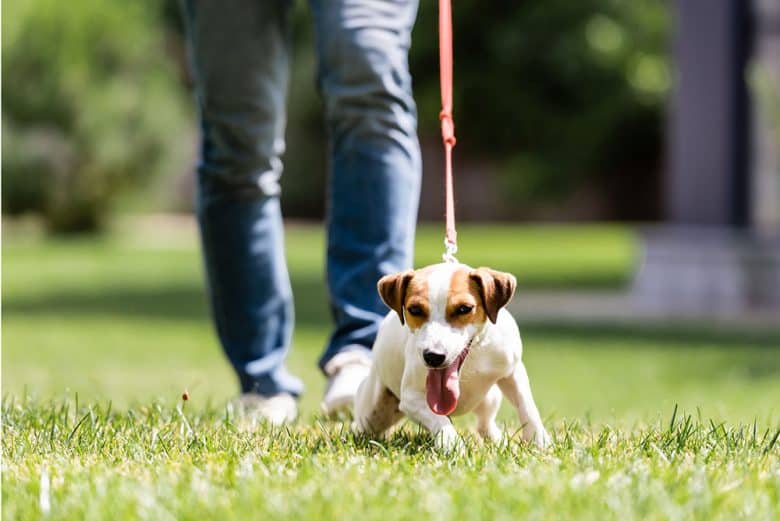
No dog is naturally going to know how to walk on a leash. Instead, you have to teach your dogs how to walk correctly. Pulling on a leash is to be expected until they are appropriately trained. Dog training is essential in this regard.
There are many ways you can go about this. You can teach them to follow one of your legs, refuse to move unless they aren’t pulling, and a slew of other training ideas.
6. Separation Anxiety
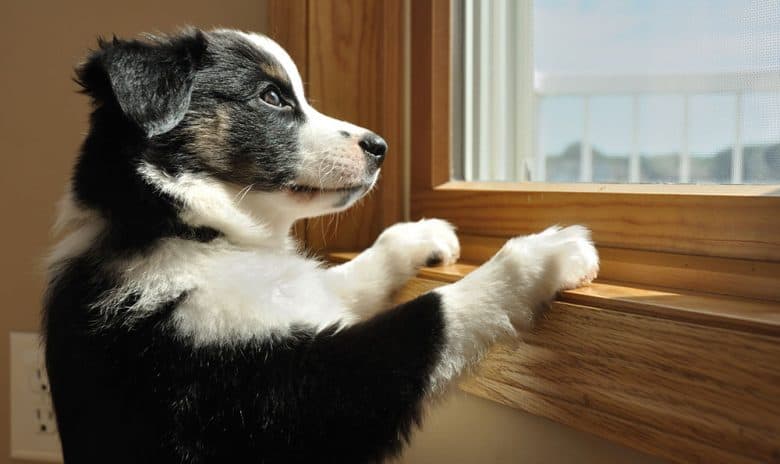
Separation anxiety is fear-based. Therefore, to prevent it, you need to desensitize your dog to his fears – namely that you won’t come back. You can easily do this through training.
Simply leave just like you usually would, and then come right back in the door. Treat your dog, and then do it again.
Eventually, you will be able to increase your time to hours. You can also pair this with a spoken command like “wait” and allow your dog to associate the word with the fact that you’ll return.
7. Begging for food or stealing food

The best way to counter this is to teach the “leave it” command. Once your dog learns this command, you can teach your dog to leave just about anything alone, including food, people, and other pets.
Offer a treat in a closed fist. Tell your dog to “leave it” and when the dog leaves your hand alone for a second, say “good” and give them the food.
Build this up to an open hand. Eventually, you should be able to drop food on the floor and trust your dog to leave it alone.
8. Jumping up on people
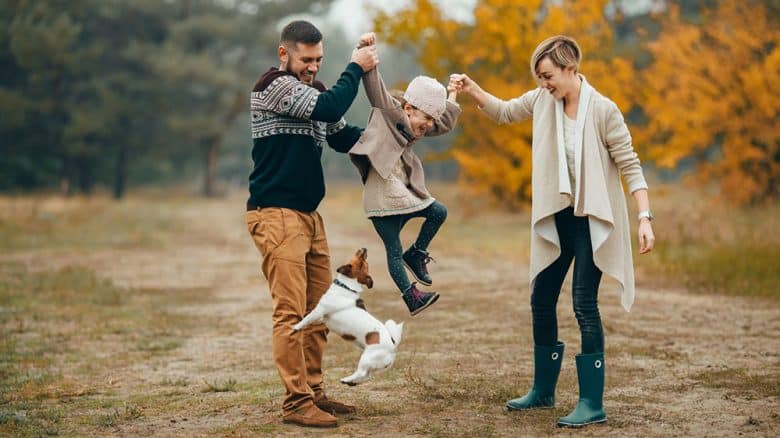
When a dog is excited, they may jump on people, and it’s relatively widespread behavior. Luckily, the “leave it” command can help with this as well. Some people also teach their dog “calm,” but this is a bit harder.
9. Playing Too Rough
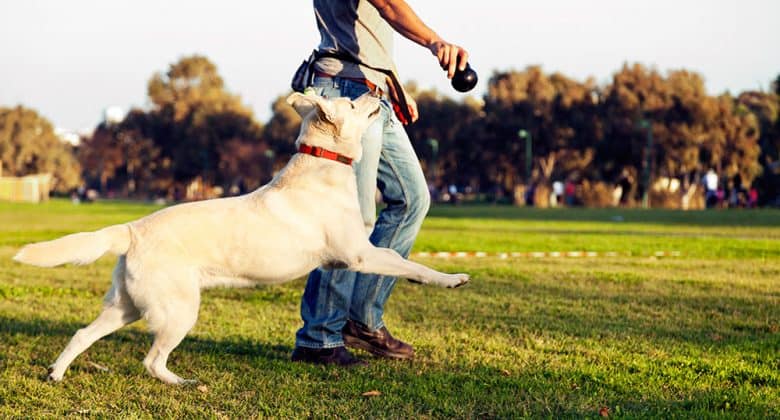
Some dogs seem to know innately how rough to play with people. This isn’t true for all dogs, though. Sometimes, they need a little bit of help figuring it out.
Luckily, you can use the “leave it” command in many of these situations as well. If a dog grabs your arm a little too roughly, you can tell them to “leave it.”
We recommend not playing with dogs with your hands or arms, as this sends mixed signals about what they can put their mouth on.
Instead, use toys. Tell your family members to do the same. Providing them with toys can prevent nipping and mouthing, as well.
10. Digging
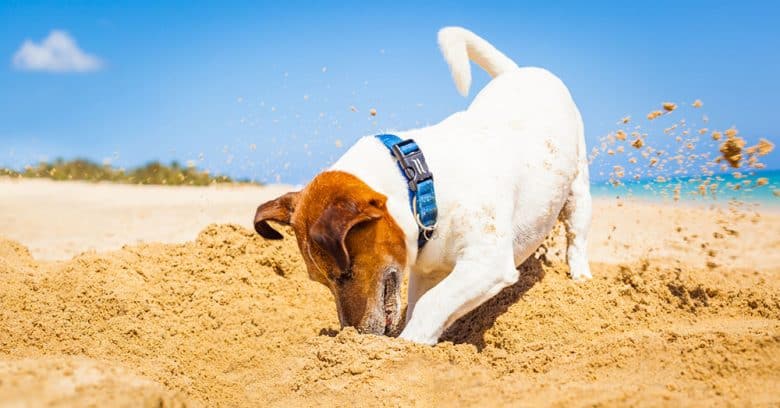
Digging is usually caused by boredom. Give your dog something else to do, and they won’t dig as much.
You can also make digging seem undesirable by putting smelly things dogs don’t like in the holes they have dug, like citronella.
11. Inappropriate Urination and Defecation
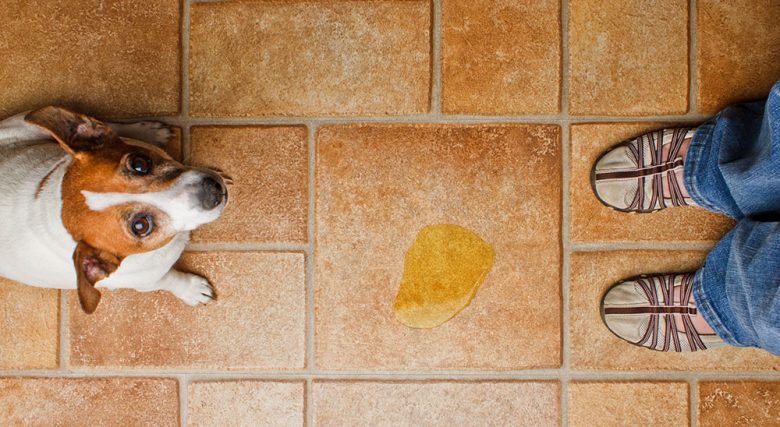
A lot of things can cause this. It is important to treat the root of the problem, as that’s the only way the behavior will correct itself. Separation anxiety can cause these behaviors.
It is also one of the significant symptoms of this mental illness. Luckily, separation anxiety is treatable, usually through desensitization, as we discussed.
Health problems can also cause this issue. Even if your dog doesn’t seem otherwise sick, it can hint at a deeper health condition. Dogs are very good at hiding their illnesses.
If your dog is otherwise okay and not fearful, they will likely need to be potty-trained. Sometimes, even older dogs need a redo. Just take them outside when they use the bathroom, praise and give them a treat.
12. Growling and Biting
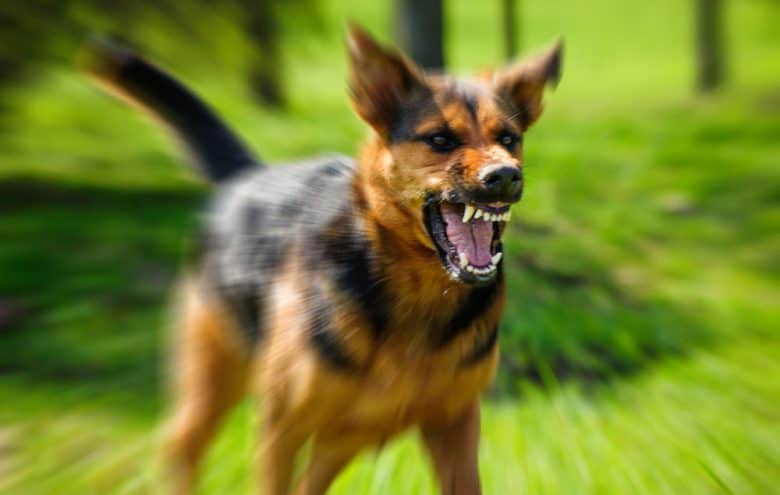
Typically, growling is okay for a dog to do. It is how dogs communicate. If you punish your dog for growling, they’ll eventually skip the growling part and just jump to biting instead.
It makes dogs more aggressive if you punish them for growling, as you’ve taken away an acceptable way for them to express fear or frustration.
However, biting is not okay by any means. To discourage biting, you can do many of the things we discussed in the rough play section. Consider seeing a dog behaviorist as well.
13. Chasing
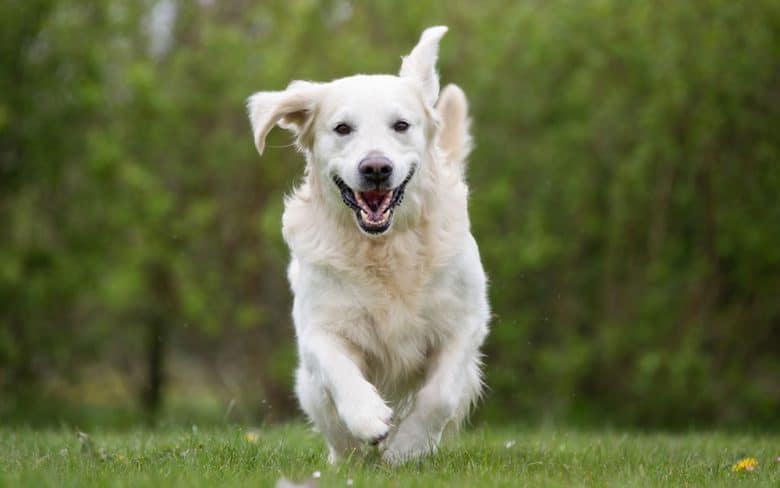
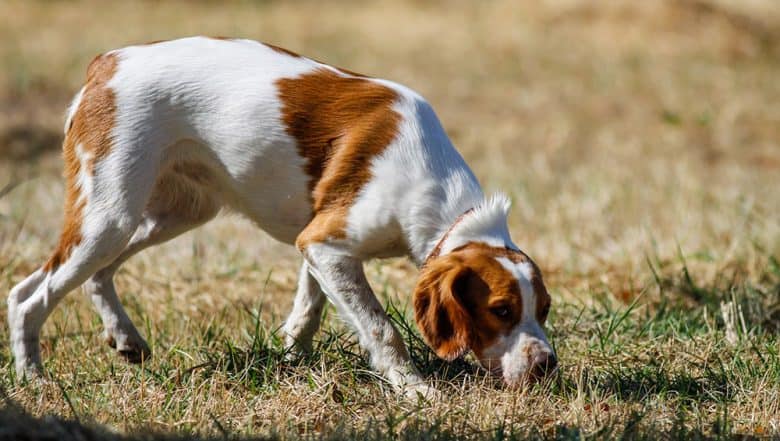
Often, this is just an innate instinct. Some dogs are born to chase. It’s what they do! If you have a dog that belongs to a hunting breed, don’t let them off the leash, and don’t assume you can train them to stop chasing.
Recall training that helps your dog come when called can be helpful but isn’t fool-proof.
14. Food Guarding
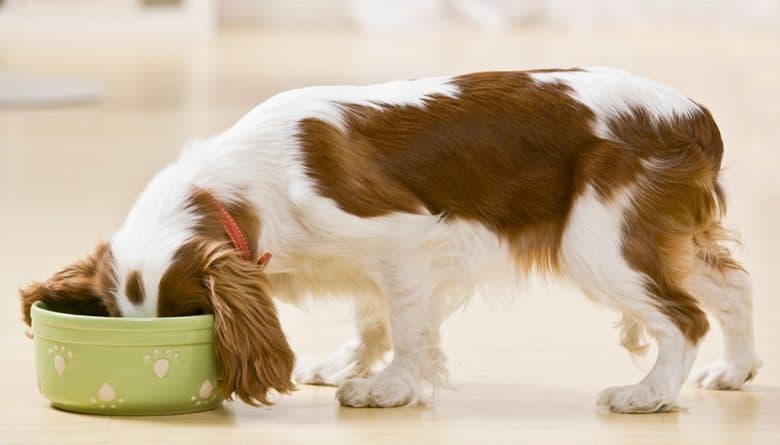
Resource guarding is fear-based. The easiest way to “cure” it is to drop food in your dog’s bowl randomly as you walk by while they’re guarding. Don’t even look at the dog when they do it.
This conditions the dog to think you walking by their food is a positive thing.
15. Yawning

All dogs yawn; it shouldn’t be considered a behavior issue. If your dog is yawning excessively, they probably just need some rest! It can be a sign of confusion or a lack of concern.
In the wild, wolves yawn at aggressors to calm them down.
16. Eating poop
Eating feces is usually called pica and is generally due to a vitamin deficiency. It’s likely a sign that you need to switch your dog’s food to something a bit higher quality.
Some health conditions can cause this behavior, including diabetes, thyroid disease, and Cushing’s. Typically, it isn’t solely a behavioral problem.
17. Panting
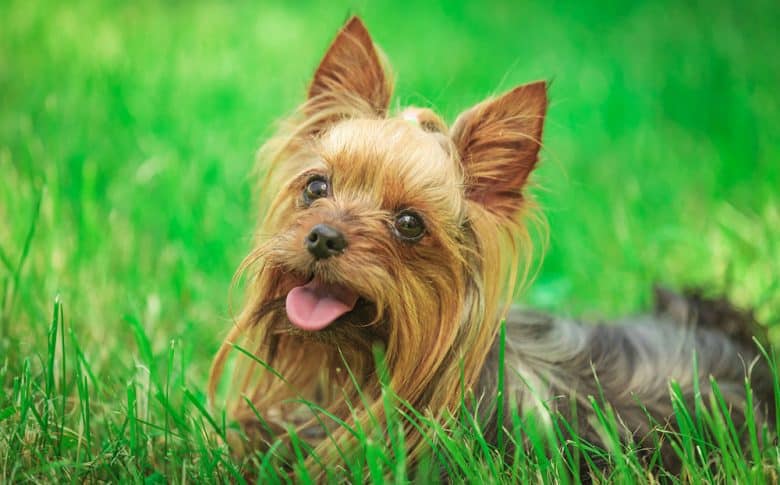
Panting is often due to overheating because of the hot weather or after exercising.
Stress can make dogs pant. If your pooch isn’t eating, seems uninterested in affection, and is panting, they’re probably distressed. However, these same behaviors can indicate pain.
You usually need to look at a dog’s life situation to determine whether they’re in pain or simply stressed. You should also check them over for potential injuries.
18. Scooting
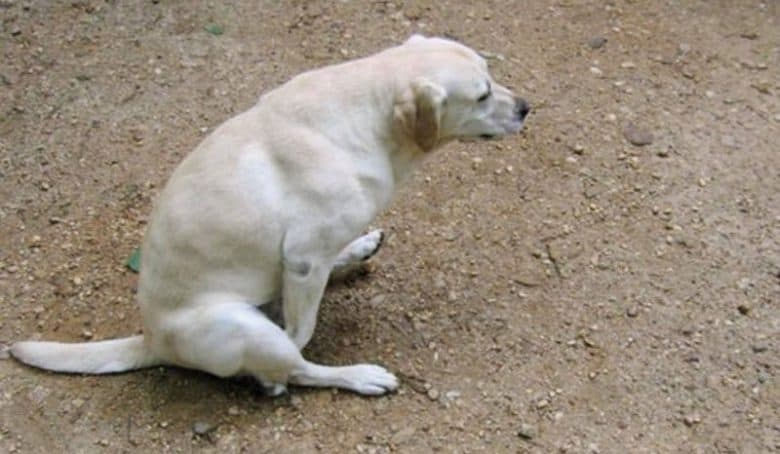
If you see your doggo scoot, or dragging its bottom on the floor, it’s a sign of a health problem. Food allergies, parasites, and anal sac inflammation are the most common causes of this behavior.
In either case, it is a good idea to call your vet.
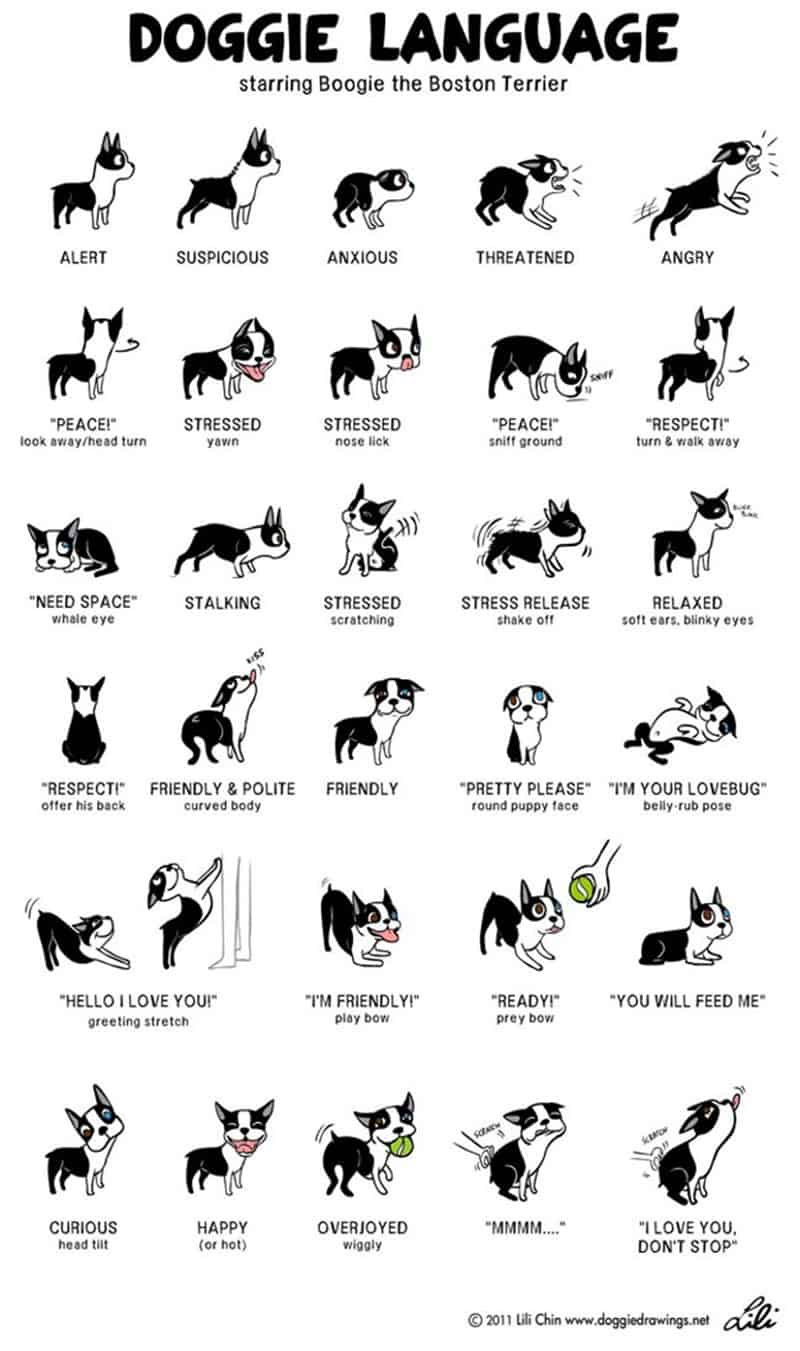
Doggie Language
Take a look at the infographic below for a quick guide to common doggie behaviors and what it means.
The verdict: Understanding dog behaviors make us good owners
Getting to know our dogs better based on their own language makes our relationship with them more solid.
And we shouldn’t be quick to judge and punish because many “negative” behaviors are due to health problems or unmet needs.
By learning how to interpret these dog behaviors, we can fix them more easily and live calmer lives together. It will also help us interact with our fur babies better.
Which common dog behaviors does your pup do? Did we miss anything on our list? Tell us all about it by leaving a comment below.
Further reading:
Reference
- https://pets.webmd.com/dogs/features/humping-why-do-dogs-do-it#3
- https://doi.org/10.1207%2FS15327604JAWS0602_01
- https://www.akc.org/expert-advice/health/why-is-my-dog-scooting/
- https://barkpost.com/wp-content/uploads/2015/03/dog_body_language1.jpg

Cess is the Head of Content Writing at K9 Web and a passionate dog care expert with over 5 years of experience in the Pet Industry. With a background in animal science, dog training, and behavior consulting, her hands-on experience and extensive knowledge make her a trusted source for dog owners.
When not writing or leading the K9 Web content team, Cess can be found volunteering at local shelters and participating in dog-related events.