Vibrant and highly intelligent, the Bearded Collie is a rugged herding dog with a mind of its own. Also called Beardie, this loveable, entertaining, and active dog is a fantastic breed with a hard-working attitude.
Why do they make ideal companions for children and adults alike?

Keep reading and get to know this pooch better from their looks to their personality and health!
Where did the Bearded Collie dog breed originate?
The Bearded Collie’s history remains a mystery, but working dogs with shaggy coats have existed in Scotland and other European countries for many centuries. In fact, “Collie” is a Scottish word for “sheepdog.”
Initially known as the Hairy Mou’ed Collie, Highland Collie, and Mountain Collie, it is believed that the Bearded Collie is a mix of local herding dogs, including Polish Lowland Sheepdogs that were brought to the Scottish Highlands in the 1500s.
Beardies are seen in portraits of wealthy Scots during the 1700s through Victorian times when they were primarily show dogs.
During World War II, this herding breed almost became extinct but was kept alive by shepherds.
It was also revived when a Shetland Sheepdog was requested by Mrs. G. Oive Willison but got a Bearded Collie puppy instead.
Mrs. Willison was very fond of her female Beardie and searched for a mate for her, establishing the purebred Bothkennar Bearded Collies, which provided the modern breed’s foundation.
The Bearded Collie eventually spread to other continents. The first litter of Beardies was born in the US in 1967.
The Bearded Collie dog breed entered the American Kennel Club (AKC) Stud Book ten years later, and it became a charter member of the AKC Herding Group.
What Does a Bearded Collie Look Like?
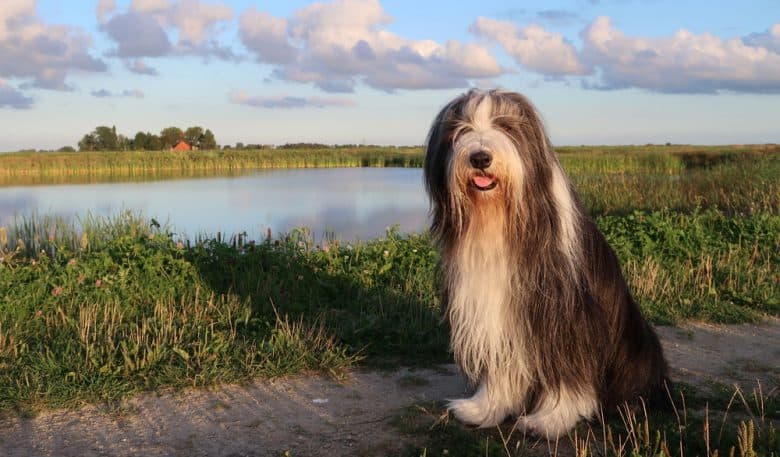
As their name suggests, the Bearded Collie has long hair and a beard hanging off their muzzles. The dog’s medium-length coat follows the natural lines of its body, even between its arched toes!
Its general appearance conveys power and strength. The Beardie has a deep chest, which reaches its elbows, with powerful and muscular hind legs.
Its strong and slightly arched neck is in proportion to the length of its long and lean body.
The Bearded Collie’s large, expressive eyes give the dog an intelligent and enquiring expression that almost seems human-like.
Size: How big does a Bearded Collie get?
These medium-sized dogs mature quite slowly. Your bearded buddy will only reach their full-grown size by the time he’s two or three years old.
An adult male stands 21 to 22 inches (53 to 55 cm) tall, and females are 1 to 2 inches shorter at the shoulder. Their weight can range from 45 to 55 pounds (20 to 25 kg).
Don’t think they can’t make good apartment dogs, though. With regular walks and enough stimulation, you can keep your furry friend happy with you, even if you’re living out of a van.
The Beardie has a waterproof double coat
Beardies have double-coated fur, where the outer coat is a mop of waterproof hair that’s harsh and straight, whereas the undercoat is soft and woolen.
If left to grow, it can reach the floor and look like an oversized Shih Tzu. However, many owners choose to keep them in a puppy cut for easy maintenance.
For coat colors, Bearded Collies are born black, blue, brown, or fawn and may have white markings. They occasionally have tan markings, and tri-colors are rare.
This video can show an example of what color Beardies are when born:
As they age, the shade of their coat often lightens. For example, a Bearded Collie puppy born black may stay black or turn into any shade from slate to silver. The browns, blues, and fawns can also go lighter or darker.
If you have a pup with no fading gene, it will keep the color they have at birth.
Pigmentation follows the coat color of the dog. The eye rims, nose, and lips are black in dogs without the dilute gene, while dilute puppies will have blue-gray or liver pigmentation.
Temperament: Are Bearded Collies aggressive?
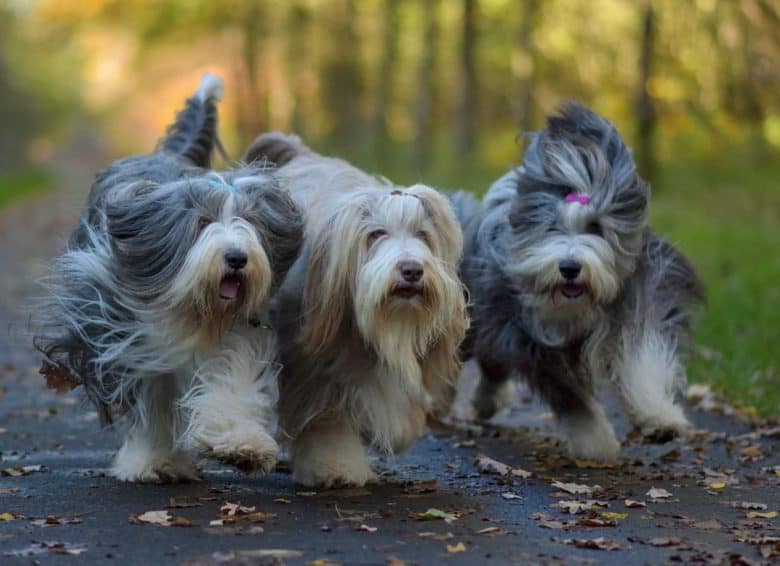
The Bearded Collie is an intelligent working dog with a bouncy personality. If well-bred, the dog should be stable and self-confident, showing no signs of aggression.
But this breed is also known to do the Beardie Bounce. It’s where they leap up for better visibility when they’re in tall grass or a flock of sheep.
It may look cute, but it can be disruptive, especially when he’s jumping on you or little kids.
They’re good with small children and other pets, even cats. However, they might be overly rambunctious, so always supervise interactions to keep accidents from happening.
And with their background, this natural herder will try to herd family members. Luckily, they’re not like their Australian Cattle Dog cousins that nip.
Your Bearded Collie puppy’s temperament will be affected by heredity and environmental factors. Much like humans, individual dogs have different characters.
So with proper training and early socialization, you can ensure that your doggo grows to be a well-behaved pooch.
Still, we recommend this droving dog to an experienced owner or active families with older kids.
It’s a breed that can be stubborn as they’re used to being incredibly independent. You can curb its willfulness by doing obedience training or letting your canine join a class.
Other than that, Beardies are more friendly than protective and won’t make a good watchdog. If you need a vigilant watchdog that’s also family-friendly, consider a Border Collie instead.
How to Care for Your Bearded Collie
Just by looking at this breed, you probably got the idea that they’re high maintenance. You’re right. They require plenty of exercise and attention, especially since they don’t do well if left alone for long periods.
So before you bring home a Beardie, ask yourself if you can meet this dog’s demands.

How much exercise does a Bearded Collie need?
These playful dogs that have high energy levels would need 1 to 2 hours of daily exercise. This can come in the form of play, mental stimulation, or good old-fashioned walks.
They’re well suited to compete in dog sports, too, such as obedience, rally, and agility.
When getting a dog, knowing the breed’s background already gives an idea of how much time you have to spend to keep such a canine happy and satisfied.
Smart fidos who are highly active can easily get bored, leading to destructive behaviors such as excessive barking, chewing, and digging.
Take its trainability as an opportunity to a more constructive outlet, like letting him help with chores.
If you have a pool or live near a lake or a beach, the Beardie isn’t bred with swimming in mind. Most dogs can learn to swim, though, and this breed is included.
And while we’re discussing outdoor activities, you should know that these doggos aren’t just excellent at jumping a standard 4-foot fence, but they’re also enthusiastic diggers.
You wouldn’t want a herding dog escaping and going after anything that moves.
Grooming: Do Bearded Collies shed a lot?
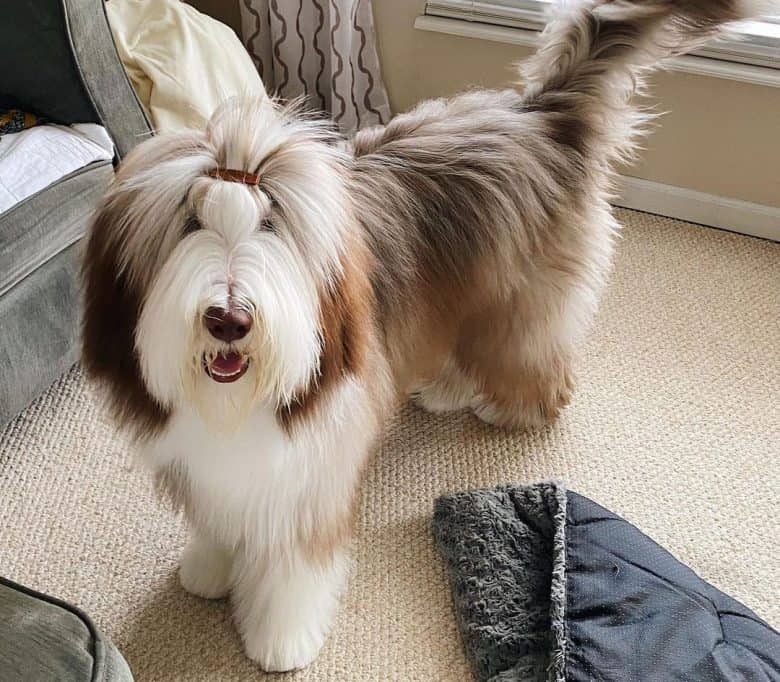
Double-coated breeds are often heavy shedders, but not the Bearded Collie. They’re considered moderate shedders, and some of the hair that sheds usually gets caught in the long outer fur.
If you want to keep it that way and avoid dog hair from getting on your furniture and floor, daily brushing is recommended.
It will also help remove any dirt that your fur baby got from outdoor time, which is commonly known as Shaggy Dog Syndrome. Steer clear of it and have your pooch matt-free!
And Beardies aren’t smelly dogs. You only have to give your pet a bath when he rolled in something wet, dirty, or muddy. If it’s time to wash, use a gentle shampoo to avoid stripping his skin of natural oils.
These may sound overwhelming but never resort to shaving your dog’s double coat. It has a purpose in protecting his skin, and it helps him regulate his body temperature.
Besides brushing and bathing, you should also maintain your fido’s dental hygiene. Like with most breeds, brushing our pet’s teeth every day is best, but two to three times a week is good, too.
Ears can be checked and cleaned weekly. Those hairy, floppy ears aren’t doing your Bearded Collie a favor as it doesn’t give proper ventilation. You have to help him keep them clean and dry so that infections don’t develop.
If your dog doesn’t naturally wear down his nails, you can clip it every month or so.
This quick video of how to groom a Bearded Collie may help if you already own one of these dogs. It can also give you a glimpse on how much grooming this pup will need.
How much food should you feed your Bearded Collie?
Bearded Collie puppies are generally fed 3 to 4 cups of high-quality dry kibbles, while adults need 1.5 to 2 cups of dog food, divided into two separate meals.
When deciding what type of dog food and recipe to get your Beardie, ensure that it’s beneficial for his breed size, activity level, age, and health.
Free-feeding can make your dog gain too much weight and can lead to many health problems. So it’s best to stick to a regular feeding schedule.
Health: How long do Bearded Collies live for?
The average life expectancy of Bearded Collies is 12 to 15 years. They’re healthy dogs in general, but they’re prone to certain diseases and health conditions.
Aside from developing allergies or ear infections, here’s a few common health issues in the breed:
- They can develop cataracts when they’re 2 to 5 years old. Other eye problems like Progressive Retinal Atrophy (PRA), retinal dysplasia, and corneal dystrophy are also common in this breed.
- Hip dysplasia is prevalent in many dog breeds and can be prevented with care and proper feeding.
- The breed is also prone to autoimmune diseases such as hypothyroidism, lupus, and blood clotting diseases.
- Beardies can develop Addison’s Disease, which occurs when the adrenal glands fail to produce enough hormones to keep the body functioning normally.
- Hypothyroidism is a thyroid disorder whereby the body doesn’t make enough hormones. Symptoms can include dry skin and coat, hair loss, susceptibility to other skin diseases, weight gain, and behavioral changes.
- Bearded Collies can also suffer from a rare skin disease called follicular dysplasia, which causes hair loss.
- The breed also falls prey to heart disease and epilepsy, and obesity can be a significant problem.
How much does a Bearded Collie puppy cost?
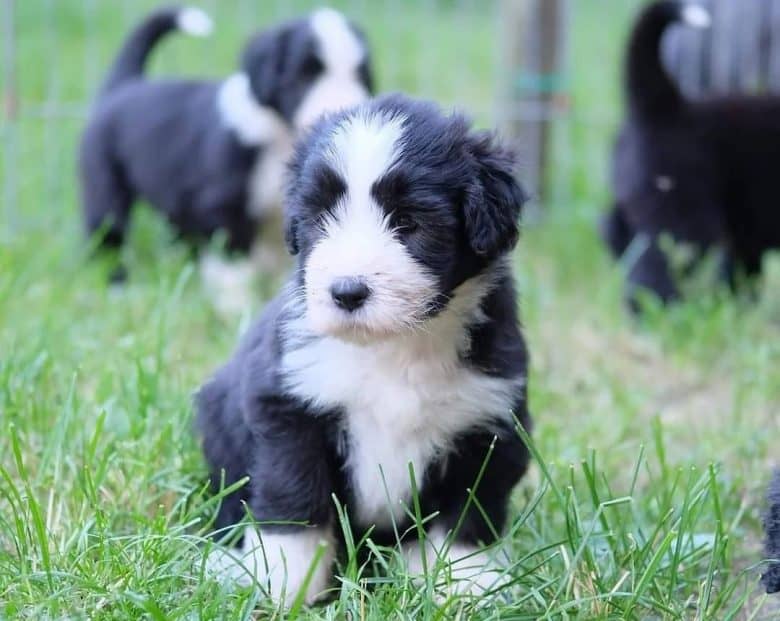
Bearded Collies have an average litter size of 5 to 6 puppies, and each of them has a price that’s around $1,500 to $2,500. They may seem expensive, but these doggos are quite rare.
You also have to consider the kennel’s popularity, the breeder’s location and care provided for their breeding stock and puppies, as well as the bloodline of the pup.
Bearded Collie Breeders & Rescues
If you’re going to buy a puppy from a Bearded Collie breeder, ask if you can see where the breeder is raising the puppies. Make allowance for puppy odor, but it should not be unhygienic.
Observe the parents, too. Does the mother dog look happy and healthy? If it’s possible to see the sire too, the better.
Watch all the dog’s behavior around the breeder to ascertain how well trained and bonded they are.
Consider asking yourself if you’re planning to show your puppy. Do the dogs have any titles?
And of course, health is vital. Ask what the longevity of their lines is? Do they have any hereditary problems? Request to see health guarantees and if they’re willing to take the puppy back if things don’t work out, etc.
Your breeder should be more than happy to oblige, but if he seems uncertain or feels suspicious, you’re better off with another breeder.
You can check out the AKC Marketplace as they have available Bearded Collie puppies for sale.
Suppose you want to adopt an adult dog. In that case, the Bearded Collie Club of America has a comprehensive list of reputable breeders within the United States and an online rescue application.
Bearded Collie VS. Old English Sheepdog
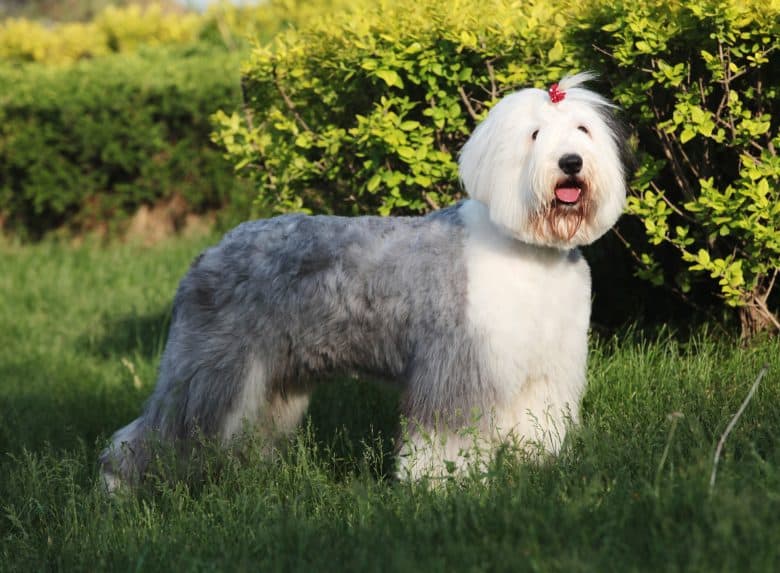
The Old English Sheepdog (OES) originated in Britain, with a bulkier and heavier build. Many consider this breed more intelligent and responsive, but they have shorter lifespans, capping at only 12 years.
Both breeds are quite vocal and will bark at traffic, their reflections, or just for the fun of it. One distinctive feature that separates them is their walk. The OES has an ambling walk where the foreleg and hindleg move in unison.
Curious about Bearded Collie mixes?
Bearded Collies might not be extremely common, but thanks to the rise of designer dogs, a few mixes are gaining popularity for their functionality! Let’s meet some of them.
Poodle and Bearded Collie mix (AKA Beardoodle)
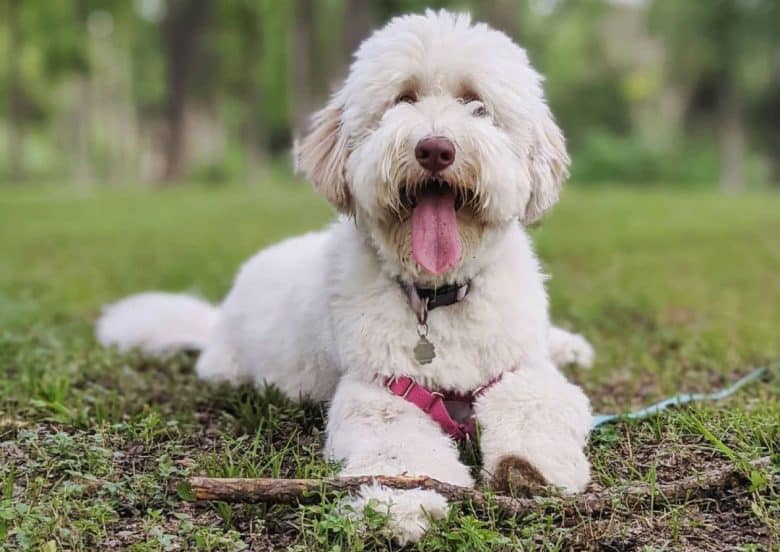
The adorable Poodle-Bearded Collie cross has a more stuffed animal look and can weigh up to 60 pounds (27 kg). They may be smaller if bred with miniature or toy Poodles.
It’s an excellent family dog that loves playing with children and other pets. It also does well when left on its own but only after its needs are met. It’s more active than Beardies, requiring up to 90 minutes of exercise a day.
The plus side? These dogs may be allergy-friendly, thanks to the Poodle’s hypoallergenic coat.
They’re known to live 12 to 13 years but surpassing their lifespan is not surprising since the Beardie is a relatively long-lived dog.
Beagle and Bearded Collie mix (AKA Beacol)
Crossbreed the Beardie with a Beagle, and you’ll get a canine that’s highly intelligent, independent, and lovable.
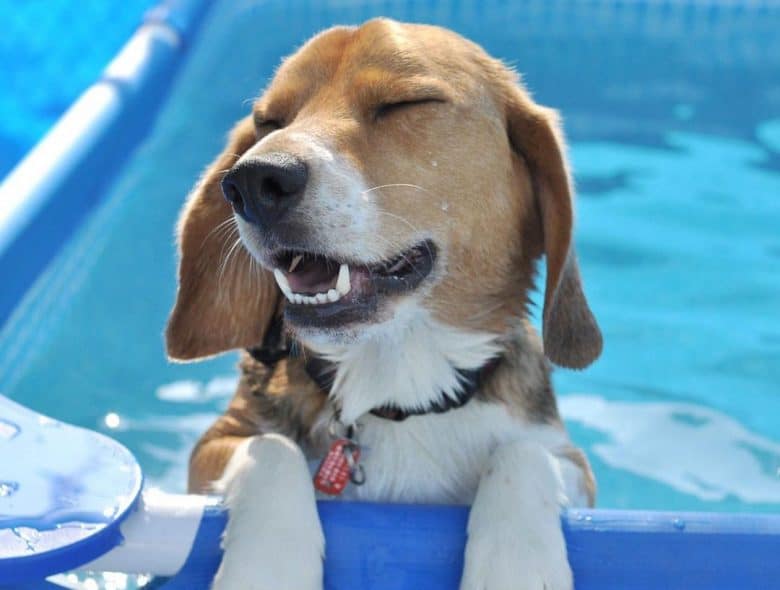
Beacols are less vocal and easier to care for. These medium-sized dogs also have a long lifespan, which is around 12 to 15 years.
Is the Bearded Collie the right dog for you?

Bearded Collies can be a good option for first-time dog owners who have the drive and determination to match the breed.
If you really want this breed, consider your living situation before adopting or buying a Beardie. Do you have enough space at home, such as a safely enclosed big yard?
Do you also have the time to take the dog for regular long walks?
The dog also requires regular human interaction and thrives best in active households.
What do you think of the Bearded Collie? Does it impress you as it did in the movie Shaggy Dog? Please tell us what you think about this breed by leaving a comment below.