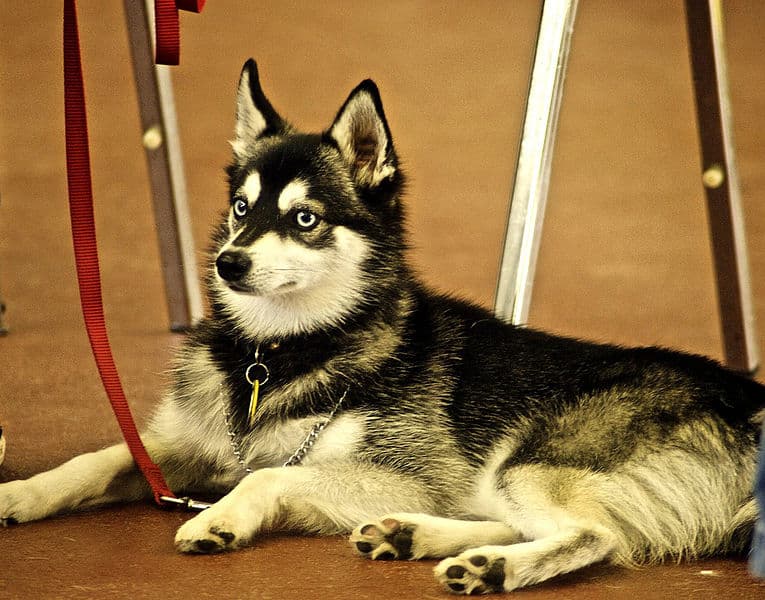
The Alaskan Klee Kai (AKK), also referred to as Mini Husky, is a small, rare breed with a Husky-like appearance that reflects its Northern roots.
While AKKs are loyal, intelligent, and protective, they’re also playful and affectionate.
This article explores this high-energy dog breed’s traits and qualities and what makes the Alaskan Klee Kai a great companion dog for many. Keep reading!
Quick Navigation
Where do Alaskan Klee Kais come from?
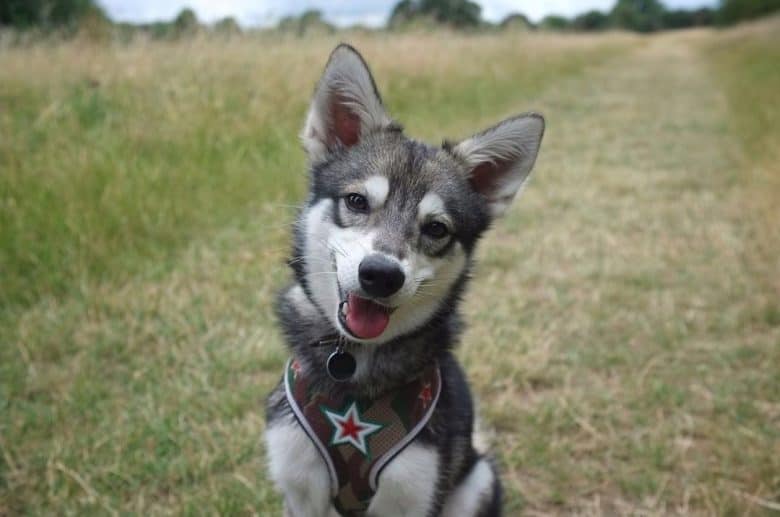
Linda Spurlin created this beautiful fido in the early 1970s in Wasilla, Alaska, by combining spitz-type native dogs to make a smaller version of the Alaskan Husky, which also includes the Siberian Husky, Schipperke, and American Eskimo.
Spurlin and her family developed the Alaskan Klee Kai dog breed to serve more as a companion than a sled dog.
Her approach to the breeding process was notoriously brutal to some, as she would “use the best and cull the rest” — carefully selecting canines based on her high standards for appearance, soundness, and temperament.
In 1988, the AKK was finally made available to the public.
Does the AKC recognize the Alaskan Klee Kai?
As a relatively new breed, the AKC or American Kennel Club doesn’t recognize this breed but has it categorized under their Foundation Stock Service Group.
AKKs who are neutered and spayed can join the AKC Canine Partners program and participate in the AKC Companion Events.
Meanwhile, the American Rare Breed Association (ARBA) and the United Kennel Club (UKC) have recognized this dog breed since the 1990s.
The Alaskan Klee Kai Association of America (AKKAOA), the American Canine Registry (ACR), the Dog Registry of America (DRA), the American Pet Registry, Inc. (APRI), the Continental Kennel Club (CKC), and a few more organizations also recognize the breed.
What does an Alaskan Klee Kai look like?
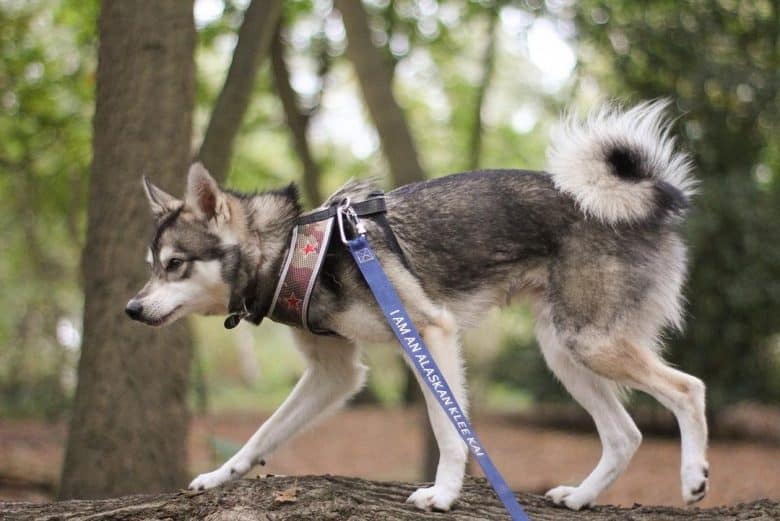
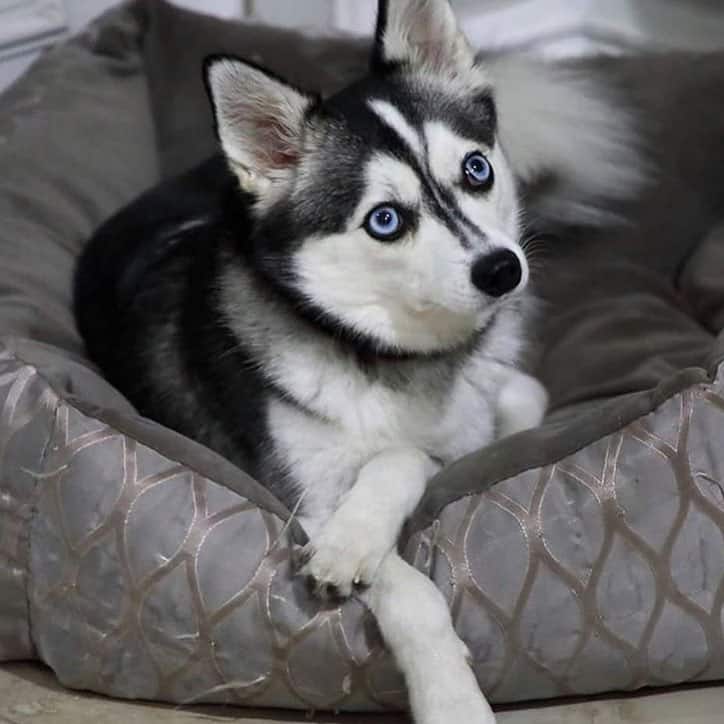
Other than being a small breed and its striking resemblance with the Siberian Husky, this dog’s most noticeable feature is its dark “facial mask” around its eyes and muzzle.
AKKs have a wedge-shaped head, dark-rimmed eyes, ears that stand fully upright, and a fluffy tail that curls over the back.
Their nose is brown or black. Darker-colored Klee Kais will have darker-colored noses as it will depend on the colors of their fur.
Their forelegs and hindlegs are long and straight, and they also have very lean bodies.
According to the breed standard, partial or completely black lips on dogs with coat colors in shades of red with white are considered disqualified.
What is the difference between Alaskan Klee Kai and Siberian Husky?
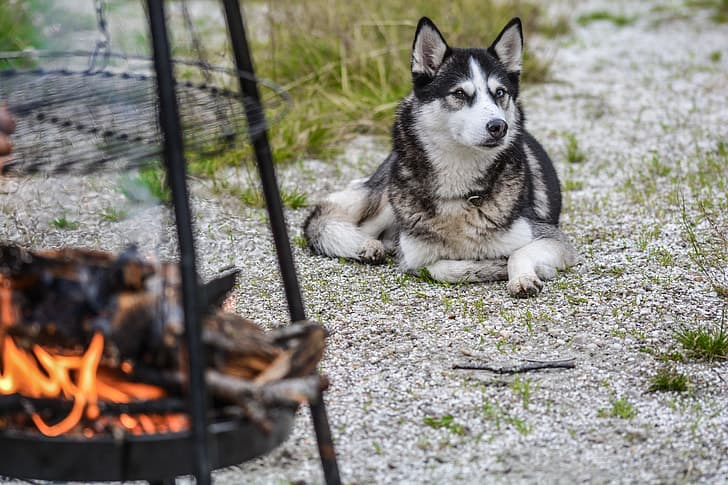
Many believe that the Alaskan Klee Kai is a smaller version of the Siberian Husky. They do look very much alike!
Although, we want to remind you that the Alaskan Klee Kai is a combination of the Alaskan Husky, American Eskimo dog, Schipperke, and Siberian Husky. So they are, in fact, part Husky.
The Siberian Husky is a medium-sized dog with adult Huskies reaching its maximum height at 23.5 inches (60 cm) and weight at 60 pounds (27 kg).
They have blue or brown eyes with a well-furred coat, but not so long as to conceal its figure.
However, the most significant difference between the two is that the Siberian Husky is a working dog. The Alaskan Klee Kai, on the other hand, is a “beloved little companion dog,” according to Spurlin herself.
We also want to clarify that, even though the Alaskan Klee Kai is also called Mini Husky, they shouldn’t be confused with the Miniature Husky, which is created by breeding together runts or the smallest Huskies.
Miniature Huskies have a height of 12 to 17 inches (30.5 to 43 cm) and a weight of 15 to 35 pounds (7 to 16 kg).
The Alaskan Klee Kai comes in three sizes
Fun fact: The Klee Kai’s name is from an Eskimo dialect that translates to “little dog,” which is an appropriate fit despite its three size variations – standard, miniature, and toy.
Toy-sized Klee Kais
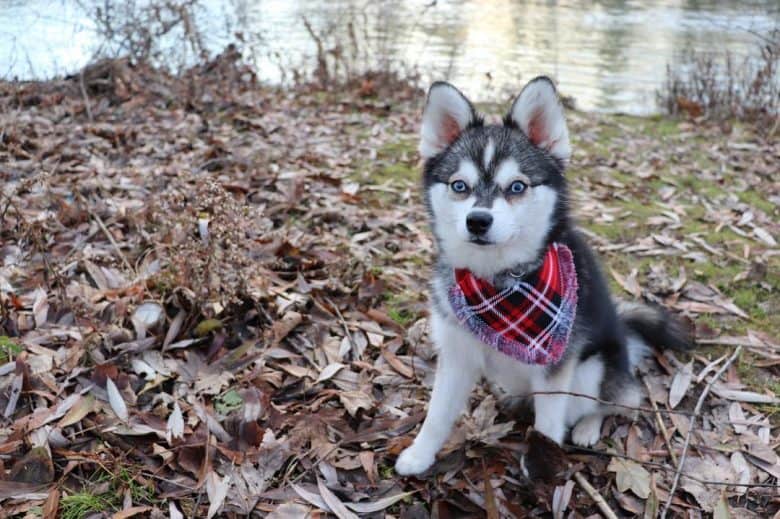
This variety is only up to 13 inches (33 cm) tall, and, as the name suggests, it’s the smallest of the breed. They can weigh as little as 6 pounds (3 kg).
Miniature-sized Klee Kais
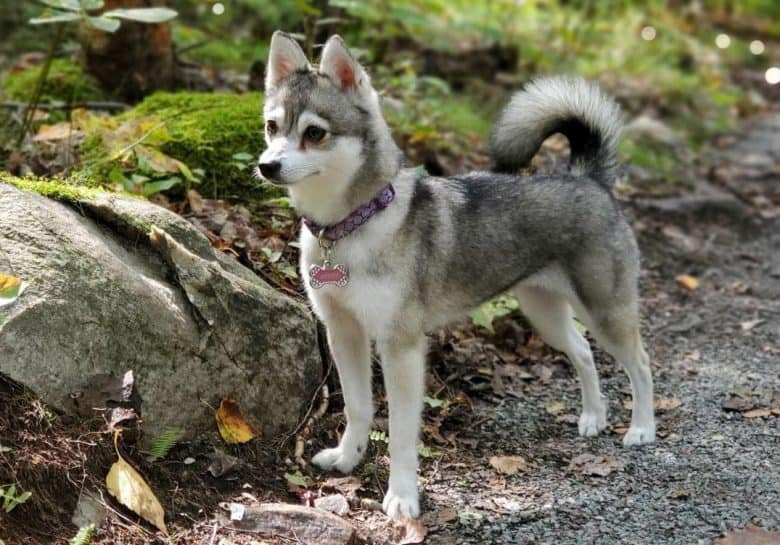
The mini Klee Kais has a height of 13 to 15 inches (33 to 38 cm). They make up the “average” size for the AKK, serving as the middle ground between the toy and standard sizes.
They can weigh between 10 and 18 pounds (5 and 8 kg) at full maturity.
Standard-sized Klee Kais
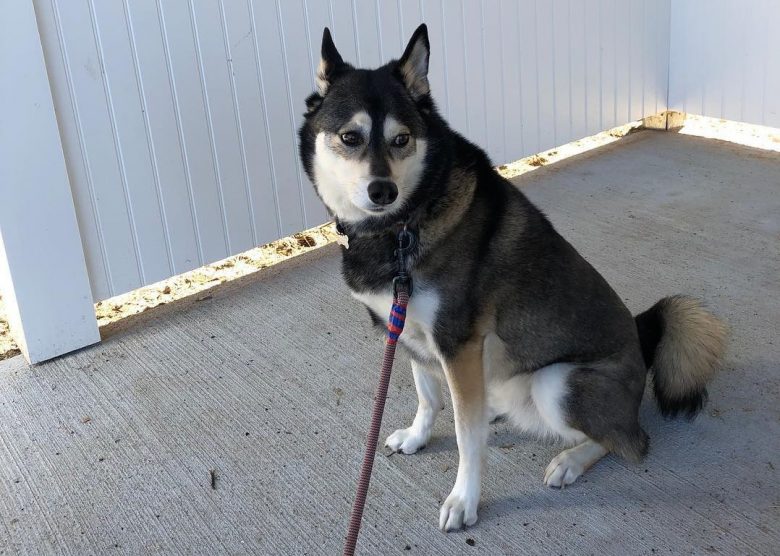
The biggest AKKs are between 15 and 17.5 inches (38 to 44 cm) tall, while anything taller is considered a fault. They’re slightly smaller than a Shiba Inu and can weigh up to 25 pounds (11 kg).
What kind of coat does an Alaskan Klee Kai have?
The Alaskan Klee Kai has a double coat with a short, soft undercoat and a longer, coarser topcoat. This physical trait protects the dog from the extreme weather, allowing them to handle the cold well.
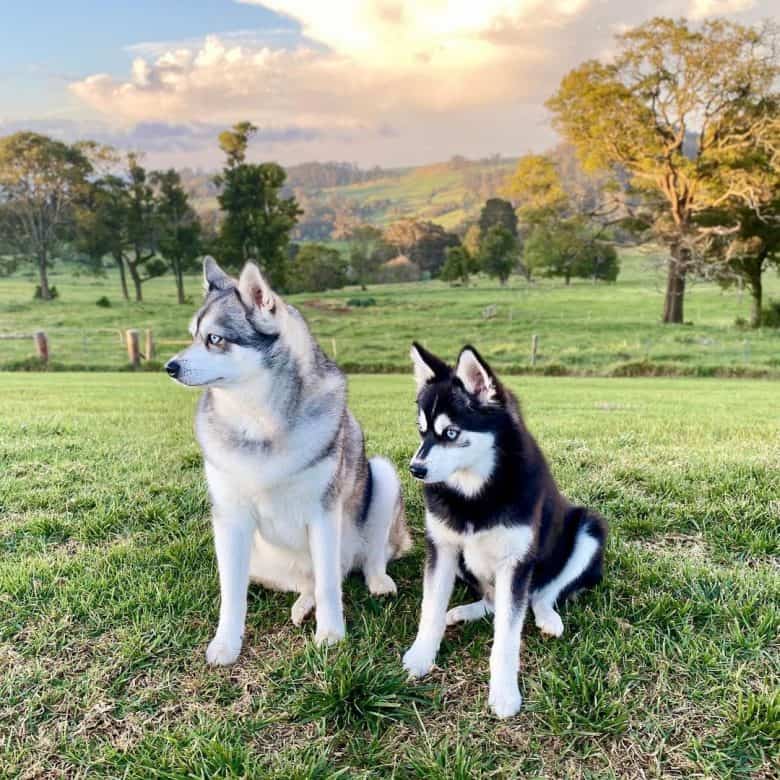
You can find them in black and white, red and white, as well as gray and white coat colors. White Alaskan Klee Kais are possible, but they’re rare.
Have you ever wondered how an Alaskan Klee Kai puppy changes its coat color once it becomes an adult? Watch this video to see the transformation!
Temperament: Are Alaskan Klee Kais good pets?
Mini Huskies are notably energetic, lovable, and great family dogs. However, they’re NOT friendly with strangers and usually wouldn’t want to be petted by anyone they don’t know.
They tend to have one or two favorite people to give affection to and be shy with everyone else.
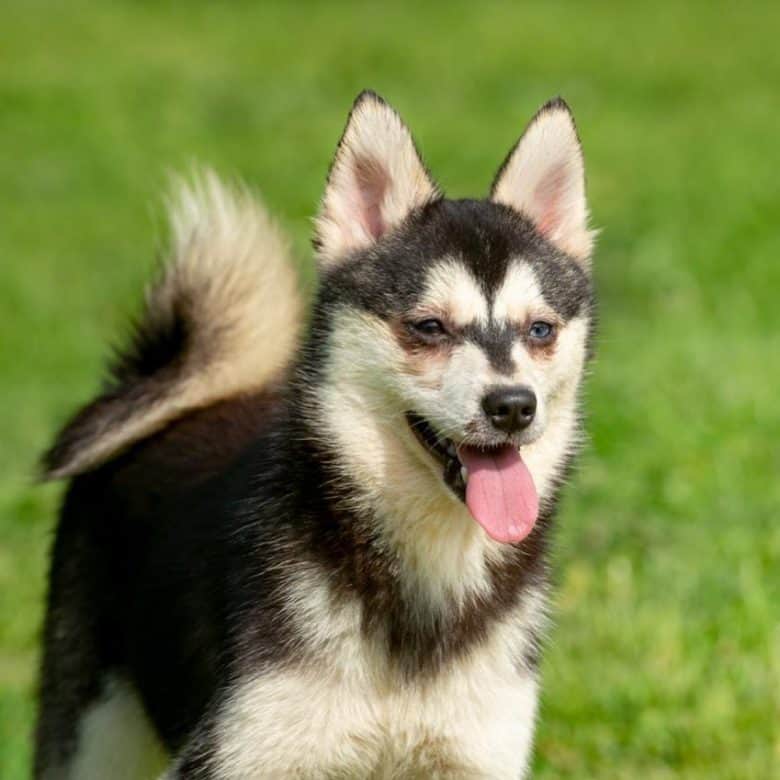
Families with little ones should be wary, too. Although they look cuddly, these dogs do not get along well with small children.
Little ones could provoke these doggos to nip and snap, so you should keep an eye on them while playing.
We wouldn’t recommend this purebred if you have other pets besides canines because they have a high prey drive. It’s best if Alaskan Klee Kai puppies experience socialization as early as 3 months of age.
Do Klee Kais bark a lot?
Despite their standoffish personality, they’re eager to please and highly food-motivated. They’re not excessive barkers, but they can be quite “talkative” with their humans and howl.
But since they’re also alert, you can count on this breed to be good watchdogs.
Separation anxiety might be an issue, though, if you’re often away from home. Since AKKs get very attached to a selected few, these dogs wouldn’t appreciate being left alone for long periods.
Your mini Husky can also develop the “Small Dog Syndrome.” They’re pretty sensitive, so they require a calm but firm, confident, and a consistent pack leader.
It’s a good thing they’re intelligent and not easily distracted, which means they’re relatively easy to train. They can even be good service dogs, too!
Care tips for your furry friend
Overall, Klee Kais are low-maintenance dogs as they take care of themselves and don’t require much grooming.
And thanks to their double coat, they can live comfortably anywhere, whether it’s often warm or cold. Their fur serves as protection from extreme weather conditions, so it’s not a good idea to shave it.
That doesn’t mean that you should let your AKK stay outdoors for a long time. Double-coated dogs can easily overheat if it’s too hot out, just like Bulldogs and other canines with short noses.
Ensure that your pet has a shade and a bowl of fresh water to help her cool off while playing outside.
How much exercise does a Klee Kai need?
Despite its small size, this breed is famous for its moderate- to high-energy levels and requires 1 to 1 ½ hour of exercise.
But AKKs are clever dogs and aren’t hyper. Their daily activities should include physical and mental stimulation to keep them happy and out of trouble.
You can divide the 60 to 90 minutes into a stroll around the block or by going running, hiking, training, such as agility training, or joining dog sports.
They don’t need any special equipment to meet their exercise requirements — a fenced yard will do. But they would be more than happy to accept a toy or run around and play.
Owners of Mini Huskies say that they do great in pairs to keep each other busy.
If you have plenty of time in the day, watch this video of an Alaskan Klee Kai enjoying its morning routine:
Grooming needs: Does the Alaskan Klee Kai shed a lot?
Alaskan Klee Kais aren’t hypoallergenic because they’re moderate to heavy shedders. While grooming is essential, we’d like to remind you that you should never shave their coat.
Brushing them once a week is sufficient to minimize shedding and the amount of hair they leave indoors. It will also keep their hair healthy as the natural oil in their coat is distributed.
Aside from being seasonal shedders, Klee Kais are extremely clean, do not drool, and do not enjoy getting their feet wet except for when they’re cooling off in a shaded plastic pool in the summer.
Despite being a self-cleaning breed, they could always use a little extra help.
Baths should only be given to AKKs when they’re exceptionally stinky or after a messy outdoor playdate. If you want to stick to a routine, don’t do it more than every 3 to 4 months to avoid stripping your pet’s fur of its natural oils.
Like many other breeds, you also need to give them regular nail clippings, teeth brushings, and ear cleanings.
Nutrition: Mini Husky feeding guide
AKK pups that are 3 to 6 months of age should be given three meals a day, while 6 months old to 1 year should get about 800 calories or 2 cups of high-quality dog food daily.
By the time they reach adulthood, one to two feeding would suffice.
High-quality dry dog food is ideal for getting in all the required nutrients. You could mix in some broth, water, or canned food for some extra flavor.
While each type of dog food has its pros and cons, always decide what recipe and the amount to feed your dog based on her needs. You should also consider her weight, age, metabolism, and health.
Alaskan Klee Kais can be fussy eaters. It’s not uncommon for them to turn up their nose at a bowl of food. Some may nibble more reluctantly or suffer tummy problems.
A small amount of fruit and vegetables add a great treat, too, as long as it makes up less than ten percent of their daily intake.
How long do Alaskan Klee Kais live?
The Alaskan Klee Kai has a lifespan of 13 to 16 years. They are generally considered a healthy breed and free from major genetic issues.
However, there are still several health problems to watch for, such as eye problems, cardiac issues, juvenile cataracts, Pyometra, liver shunts and disease, Factor VII deficiency, Patellar Luxation, Cryptorchidism, and thyroid diseases.
Fully grown Klee Kais may also keep their baby teeth, which can cause issues when their permanent teeth have grown. Eventually, a vet may recommend a tooth extraction.
How much does an Alaskan Klee Kai puppy cost?
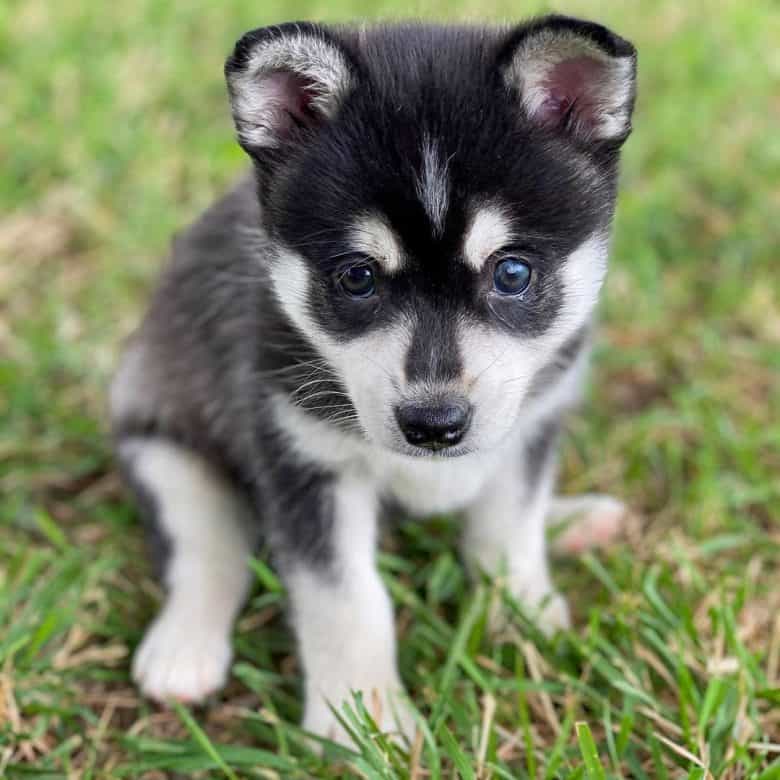
Alaskan Klee Kai puppies can cost between $1,500 to $3,000. For champion breeds or those with pedigrees, you can expect to cough up more.
Other factors that can affect the price include the kennel or breeder’s location and popularity, availability of puppies, gender, and coat color.
The average litter size of an AKK is 1 to 5 puppies, so it’s understandable if this rare breed’s cost reflects it.
Besides the purchasing cost, be prepared to budget for other expenses like basic health care, dog food, treats, toys, a license, and training. But this price will vary depending on your particular dog and your plans with your pooch.
Alaskan Klee Kai Breeders
Once you’re online, the first place you should check for Alaskan Klee Kai puppies for sale is the AKC Marketplace.
Then the breed club, The Alaskan Klee Kai Association of America, because they usually have a list of what they consider as reputable breeders.
How can you be sure that you’re buying an AKK from a responsible breeder? It’s best to have a checklist:
- Do your research by checking the breeder or kennel’s website and reviews from previous clients.
- They allow personal visits to prove that their dogs and puppies are born and raised in a safe and clean environment.
- Health testings on their breeding stock and vaccinations for the pups are done and recorded. These records, together with a traceable lineage of the pup, will also serve as proof that you’re bringing home a healthy puppy.
- Reputable breeders conduct interviews to ensure that the puppy is the right match for you.
- Every detail of the transaction is documented in a contract. This includes the breeder taking back the puppy in case you won’t be able to care for it.
These are just some of the things that you should look for in a breeder. And if you’re feeling confident after all the boxes are ticked, it’s up to you to decide.
Alaskan Klee Kai for adoption
Many dogs who end up in shelters and rescue centers have experienced abuse or neglect. Some may need more medical attention, while others crave a little love and care.
Nonetheless, adopting an adult dog to give it a loving new home is what takes top priority.
As this is a new breed, there aren’t many organizations dedicated to them yet. You can check out the Alaskan Klee Kai National Rescue, located in Ottawa, KS, if they have an AKK you can adopt.
We also found Del Mar Klee Kai Rescue that’s located in California.
Who should get an Alaskan Klee Kai?
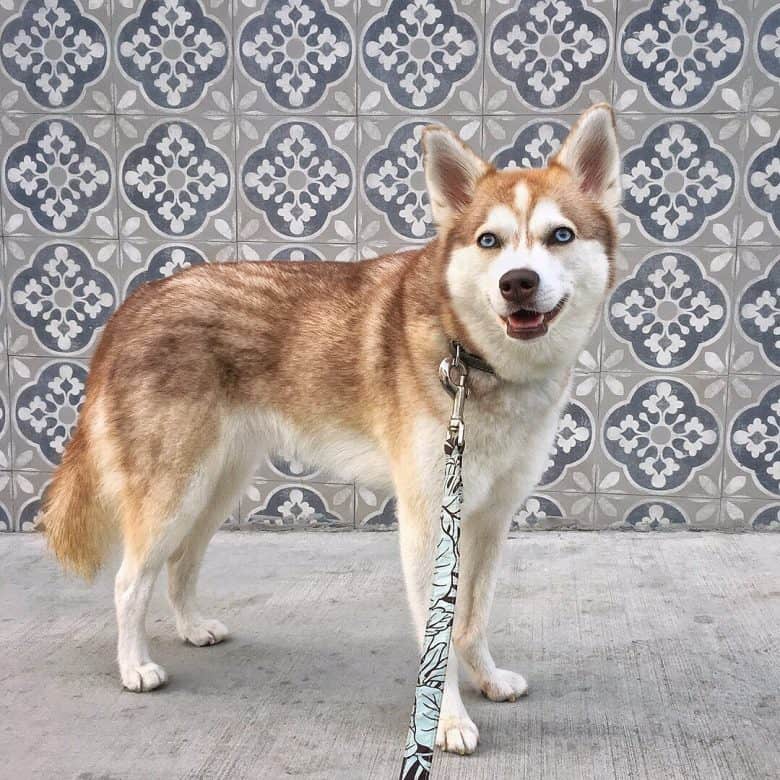
The Alaskan Klee Kai is best suited for experienced handlers who can manage to own an active and intelligent dog that’s also stubborn and wary of strangers.
If you’re a first-time dog owner, have little children, or have allergies, we recommend looking for a different breed that wouldn’t possibly nip if annoyed and is hypoallergenic.
Klee Kais can be quite easy to train, and they’re one of the best watchdogs and companions in the canine world.
If you really want this fido, be prepared for its constant need for attention.
Other than that, they don’t require a large yard and can adapt to different types of houses, they don’t require too much grooming, and they’re affectionate yet vocal doggos.
But what do you think of the Alaskan Klee Kai? Is this a dog you’re planning to get soon? Let us know your thoughts in the comments section below!

Cess is the Head of Content Writing at K9 Web and a passionate dog care expert with over 5 years of experience in the Pet Industry. With a background in animal science, dog training, and behavior consulting, her hands-on experience and extensive knowledge make her a trusted source for dog owners.
When not writing or leading the K9 Web content team, Cess can be found volunteering at local shelters and participating in dog-related events.