The majestic Collie is likely one of the most recognizable dog breeds in the world – largely because of their countless movie performances.
There are two main types of Collies. The “rough” Collie is the most recognizable, but the “smooth” Collie is very elegant.
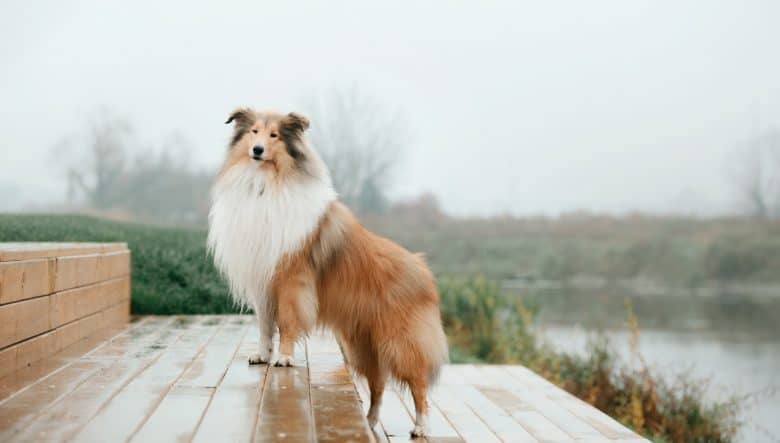
This canine is also known as the Scottish Collie, English Collie, and “Lassie” Dog. In some cases, they may also be called the long-haired Collie.
Where do Collies come from?
Like one of their nicknames suggests, these dogs hail from Scotland. The ancestors of the Collie likely reached Scotland thousands of years ago.
They were likely brought by the Romans, who conquered Britain in the first century AD. These Romans often traveled with herds, which they used to feed their armies.
They needed some type of dog to keep the herds together and in check. This was the role the Collie’s ancestors performed.
Eventually, this Roman dog was interbred with local herding dogs. At some point, this produced the Collie we know and love today.
We don’t exactly know where the name Collie came from. However, it is one common theory that their name is derived from a particular breed of sheep called “Colleys.” They were likely used for sheepherding.
Collies do not enter the written record until around 1800. These working dogs were beloved by Queen Victoria a few hundred years later.
This queen largely popularized the breed, though its traits and characteristics were all set long before she came along.
Later, the breed entered the pop-culture world when the author Albert Payson Terhune wrote the thrilling adventures of Sunnybank Collies.
Since then, the Collie has appeared in many fiction works, including the novel Lassie Come-Home and all the spin-offs that came afterward.
The Collie dog is recognized by the American Kennel Club and most of the world’s other Kennel Clubs. Their main club is the Collie Club of America.
It is an old and recognizable breed. This breed is a distinctive type of herding breed.
What does a Scotch Collie look like?
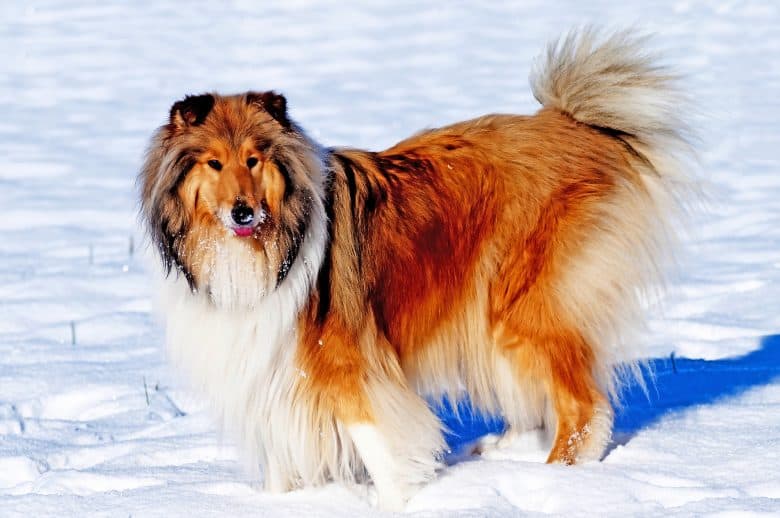
The Collie is a tall, strong dog that was built for hours of activity. They stand naturally straight and firm, which only makes them seem taller.
They have a wide, deep chest that shows their true strength and sloping shoulders. Their hocks are bent to help them move quickly.
Overall, this breed’s body is pretty balanced and in proportion. They are obviously built for working.
Their head is in proportion with the rest of their body and never appears to be massive or over-sized. Their head is a lean, blunt wedge that slims up rather nicely.
It is not flared out at the back of the skill or pinched in at the muzzle. It is just a very average dog head!
Similarly to the rest of their body, their neck is firm and muscular. It is fairly long for a dog and is carried rather upright. It has a slight arch but is mostly tall and straight.
For more information on their specific appearance, you can view their AKC standard.
Types of Collies
When people refer to a dog as a Collie, they typically mean a rough Collie. However, Collie is also a larger breed category that can mean a variety of different breeds.
These breeds are not the same as the Scotch Collie, which we discuss in this article.
Here are some of the obvious differences between a Scotch Collie and some of the other collie breeds.
Border Collie
Border Collies are shorter in stature and smaller than Collie. The Border Collie is a lot more intense than a Collie as well. Collies tend to be rather calm, while Border Collies are very high-energy.
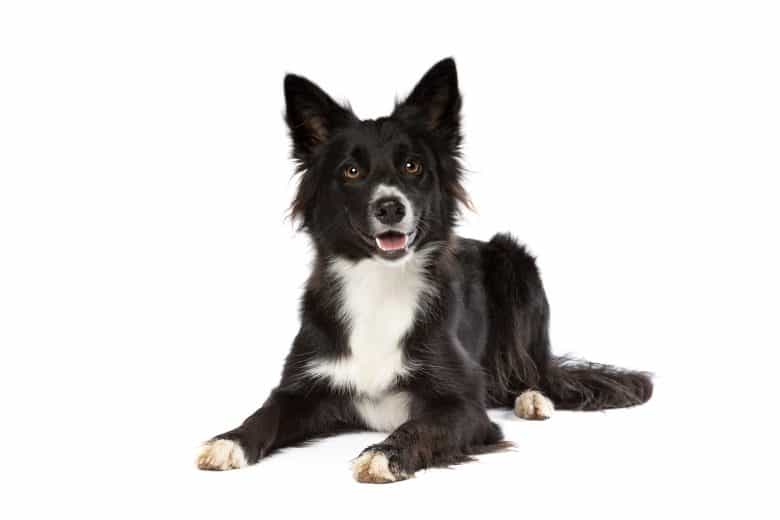
Both dogs are rather smart and can be trained with considerable ease. The Border Collie can be a bit stubborn, making them more difficult to train than a Collie.
Both of them also require quite a bit of exercise, though the Border Collie will likely need considerably more.
Border Collies need quite a bit more stimulation than Collie. They tend to get bored easier and need interactive toys and plenty of playtimes.
Bearded Collie
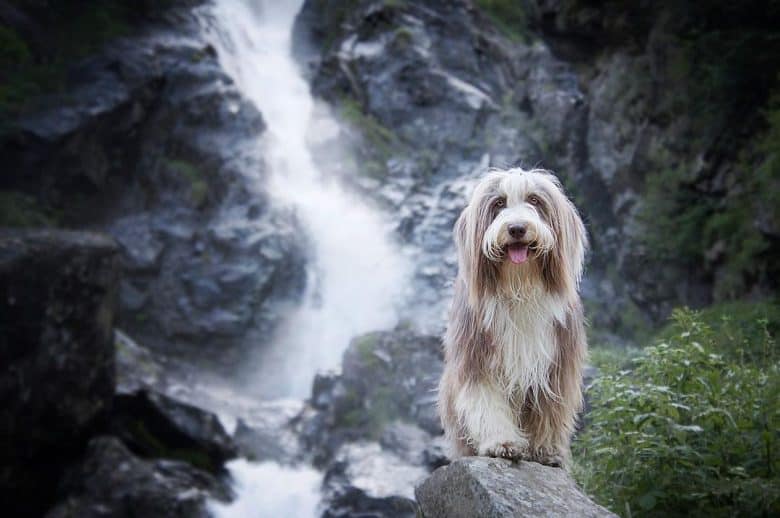
Bearded Collies and Rough Collies both come from Scotland. However, the Bearded Collie is much less common. They are also quite a bit more expensive for this reason. It is just harder to find them.
These dogs are similarly sized, but the Rough Collie does tend to be a bit bigger. Female Collies may be similarly sized to male Bearded Collies, though.
These dogs have different coat styles. While the Bearded Collie’s coat is more feathered, the Rough Collie’s coat is rougher and thicker.
They simply have more hair. Both need regular grooming, but the Bearded Collie does tend to shed less.
Bearded Collies seem to be more active and playful than Rough Collies. They are a bit less sensitive to change, noise, and frequent guests.
Rough Collies are significantly quieter than Bearded Collie, while Bearded Collies have way more wanderlust than a Rough Collie.
Shetland Sheepdog
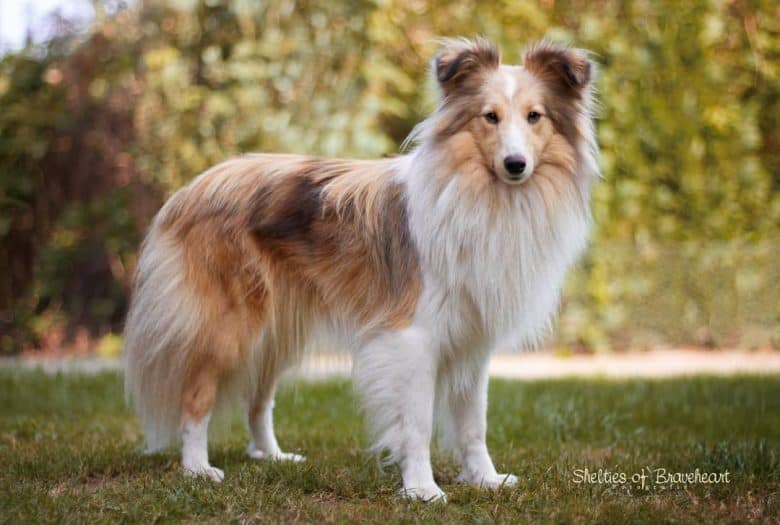
Shetland Sheepdogs are much smaller than a Collie. They are about half the size, in fact.
Both of these breeds need regular grooming, preferably by professionals. However, Collies shed significantly more and will need more at-home brushing.
Shetland Sheepdogs are not difficult to train, but they are harder to train than a Collie. They are also less active and playful. They are an extremely vocal breed, which is in obvious contrast to the Collies’ quiet nature.
Collies can be a bit mouthy, which means they enjoy playing with your hands and exploring with their mouths. However, Shetland Sheepdogs typically are not.
Scotch Collie
A Scotch Collie and a Rough Collie are basically the same things. Once upon a time, the two words referred to the same dog. However, over time, this has changed a little bit.
Often, Scotch Collie is used to referring to the older version of the Rough Collie.
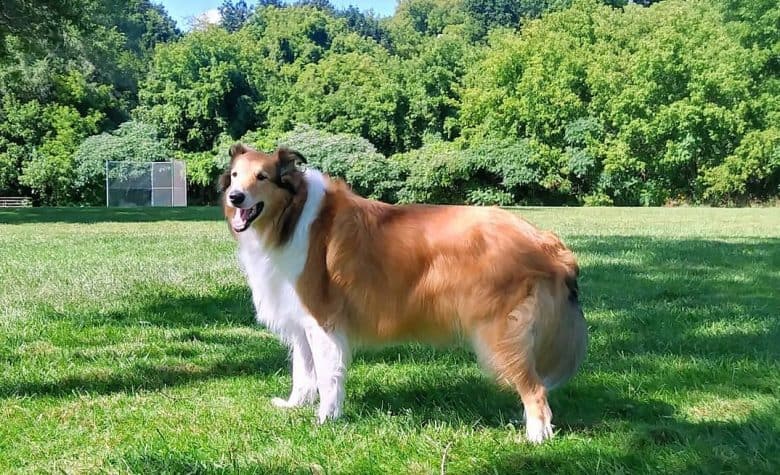
When used in this manner, Scotch Collies tend to be a bit smaller than Rough Collies. However, this isn’t always true. In many cases, they are the same size.
When it comes to temperament, these dogs are very similar. The average person will not be able to tell the difference between them solely based on their temperament.
The main difference between the two breeds is that the Scotch Collie requires less grooming and less hair. They do not require as much grooming, as they are typically bred to work – not for their fur’s luxuriousness.
Size: How big does a Collie get?
Collies are generally considered medium to large dogs. Females are obviously smaller than males and usually fall into the medium category.
Typically, males can weigh between 60-75 pounds (27.2 – 35 kg) and stand 24-26 inches (61 – 66 cm). Females weigh 50-65 pounds (22.7 – 29.5 kg) and stand at 22-24 inches (56 – 61 cm).
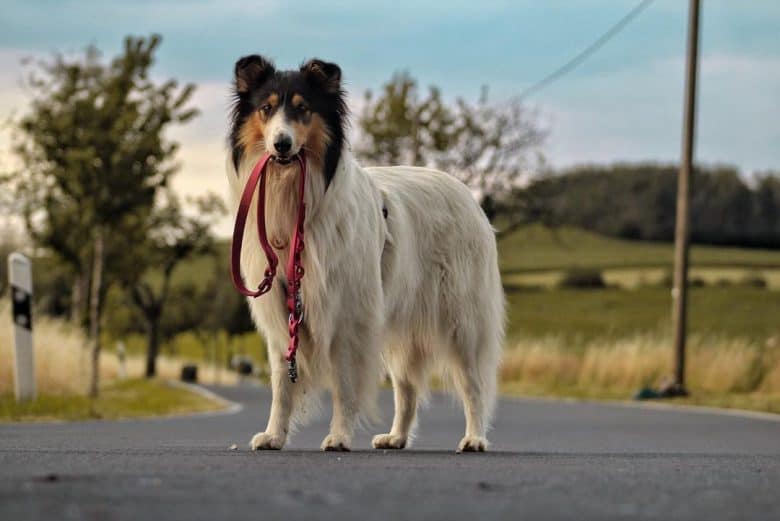
Collies are typically fully grown between 12 to 15 months. However, they will keep putting on weight until they are 18 months.
They reach mental maturity at around 24 months of age, which is a little while after they are fully grown.
Despite their rather large size, these dogs are very well-behaved indoors. They also do not need much exercise.
While they will not lay around the house all day, they are perfectly behaved after getting their exercise in. For this reason, they make good indoor dogs and can even live in apartments.
Also read: Is there such a thing as a Miniature Collie?
What are the differences between a rough Collie and a smooth Collie?
There are two main types of collies: the rough Collie and the Smooth Collie. Typically speaking, these dogs are the same except for their appearance.
Rough variety collies have a long, double coat. The outer coat is rough and straight, hence their name. However, their undercoat is soft and furry. This is the part of their coat that tends to shed a lot.
On the other hand, smooth-coat collies have much shorter hair. They still have a double coat. However, the overcoat is very short and dense.
It is still “rough,” but not necessarily as harsh as the Rough Collie’s coat. Their undercoat is very thick and dense.

Both types come in the same coat colors. There are quite a few coloration options the Collie comes in. Black, white, and tan is the most common option. However, blue merle, sable merle, and white are also possible.
Most of these overall colorations can come with white and tan markings as well – except, of course, for the solid white coat. Blue merle, stable merle, and sable markings are also possible. Tricolor is common.
White collies are quite rare. Once upon a time, white Collies were seen as undesirable. Because of this, the trait was largely bred out of the breed. Today, it is still quite rare to see a while Collie.
Temperament: Are Collies good family dogs?
Rough collies make great family dogs. They are generally calm and not terribly shy.
However, they do need to be socialized from an early age to prevent potential shyness and skittishness. A fearful dog is not usually a well-behaved dog.
Collies can be fairly vocal, but they can be easily trained not to bark. They are not necessarily as noisy as some of the other collie breeds. They make good watchdogs for this reason. They only bark when they need to.
They will have herding instincts, though the level of herding instincts varies quite a bit. Some are very driven, while others are very calm.
Usually, these dogs are very loyal and maybe one-people canines. In other words, they may bond very closely with a single person and pretty much ignore everyone else. Many make an exception to children, though.
They are excellent dogs with kids, as they are very easy-going and accepting. They love playing in the snow in the winter months and are naturally protective of children.
Training often goes very easily, as they are smart and also eager to learn. They have great trainability.
These dogs are not prone to separation anxiety. They typically do just fine at home by themselves as long as their needs are met.
Are Collies aggressive?
In most cases, Collies are not aggressive in the least. They may have protective instincts, but this does not progress beyond barking. These dogs are very gentle and decently accepting of just about anyone.
These dogs do need to be socialized just like every other dog, though. Do not interpret their passive nature to mean that you can get away with not socializing them.
They do well with other dogs and cats. As herding dogs, they do not have high hunting instincts in the least. They will usually not harm other animals, though they may try to herd them in some cases.
How to take care of your Collie
Collies work well in the cold and in the heat. Unlike some common misconceptions, though, they are not automatically immune to the cold, despite their heavy coats.
Instead, these canines need to be acclimated to the cold and always need a warm, insulated shelter they can escape to.
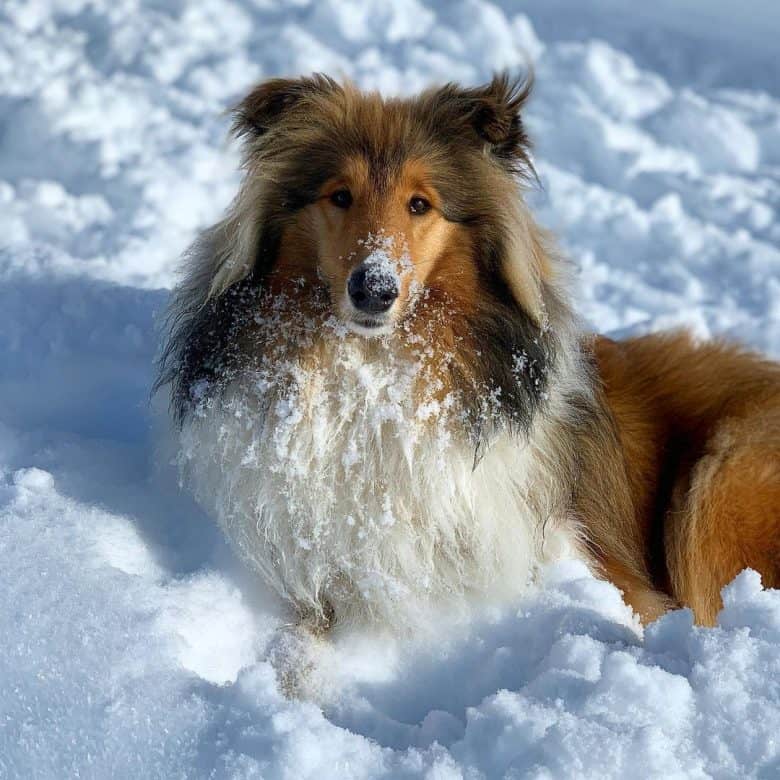
These dogs must be provided with unfrozen water in the cold, winter months. Otherwise, they can become dehydrated or attempt to eat snow, which will lower their body temperature significantly.
Collies can absolutely live in hot weather, though you should not leave them in hot places for extended periods.
Exercising your Collie
Collies require regular exercise, but they are not as energetic as you might think. To keep them healthy, they will need a regular walk and plenty of playtime as well.
Aerobic exercise is great for these dogs. They do like to run considerably.
You can play active games and canine sports with Collies to help get in their exercise. Fetch is a great option to start with, but you can also do things like agility and similar sports.
When bored, these dogs tend to bark. They should not be regulated in the backyard for extended periods for this reason. They can get bored without their people or other dogs to play with. These dogs are people dogs.
Grooming: Do Collies shed a lot?
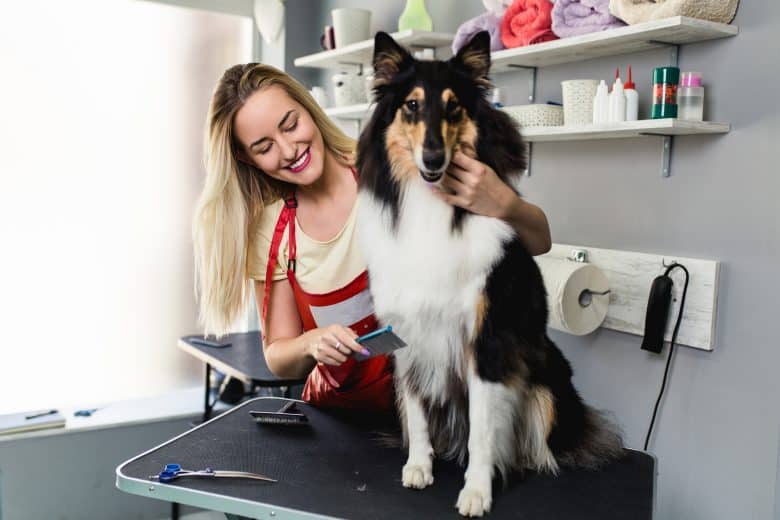
These dogs have very thick coats. Because of this, they are considered moderate shedders. You should plan on dealing with lots of dog hair.
You will need to brush them frequently and thoroughly to keep their coat clean and healthy. Otherwise, mats and skin problems can pop up, which can be painful for your pooch.
Even if you aren’t showing your pooch, they will still need a significant amount of grooming to keep them in tip-top shape. As long as you keep them well-brushed, they should not need to visit a groomer.
Their profuse coat tends to pick things up, like vegetation and seeds. However, if you brush them daily, you will remove much of this without needing to bathe them.
If you do not brush them properly, they can become quite dirty and will need a bath, though.
Spaying and neutering your canine may affect their coat texture. In many cases, it will make their coat softer. This is great when you are petting them, but it can cause the coat to mat more profusely.
Those in dog shows will likely need more grooming than pet dogs.
Here is a video on how to groom your Rough Collie properly:
Feeding: How much should a Collie eat in a day?
Collies should be eating about three cups of food a day. Of course, many factors play into this. Certain foods may be more calorie-dense than others. Your doggie will need less of these foods than others.
At the same time, Collies that are more active will need to eat more. Those that are less active will need to eat less.
Your dog’s health also plays a role in what they eat. If your dog is fixed, they will likely need less food. This is because their hormones will not be as active, which will affect their overall metabolism.
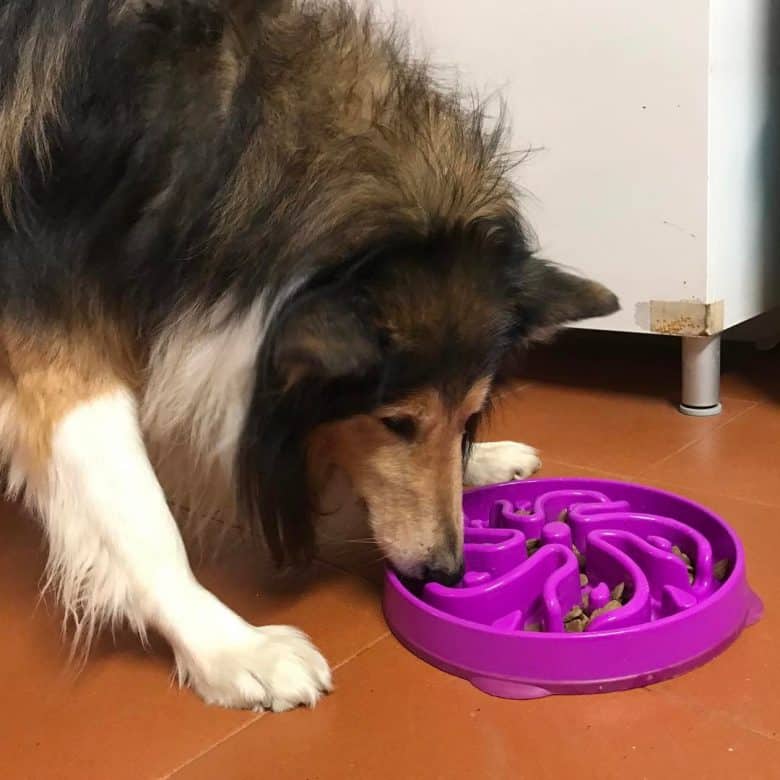
Feeding Collies multiple times a day is recommended, as these canines are prone to bloat, which may be caused by eating too much at a time.
Good nutrition is essential to keep these dogs’ coats healthy. Otherwise, they may shed more than necessary, which is a significant problem considering how much they shed normally.
The best food will contain plenty of omega-fatty acids, which can help keep their coat healthy.
Collie puppies will need between one to two cups of food a day. It depends on their age, weight, and activity level.
You need to be careful not to feed them too much, as this can cause them to grow too quickly and potentially cause joint problems down the road.
What health problems do Collies have?
Collies are not terribly unhealthy dogs. In fact, they are generally considered resilient, especially when compared to other purebred dogs. However, there are a few health problems that do affect the breed. Many of these can be caught early with a DNA test.
Collie eye anomaly is a common problem in the breed. It is caused by the improper development of the eye, which can lead to blindness. This is a genetic problem.
If Collie’s parents are affected by this problem, their puppies are more likely to develop it.
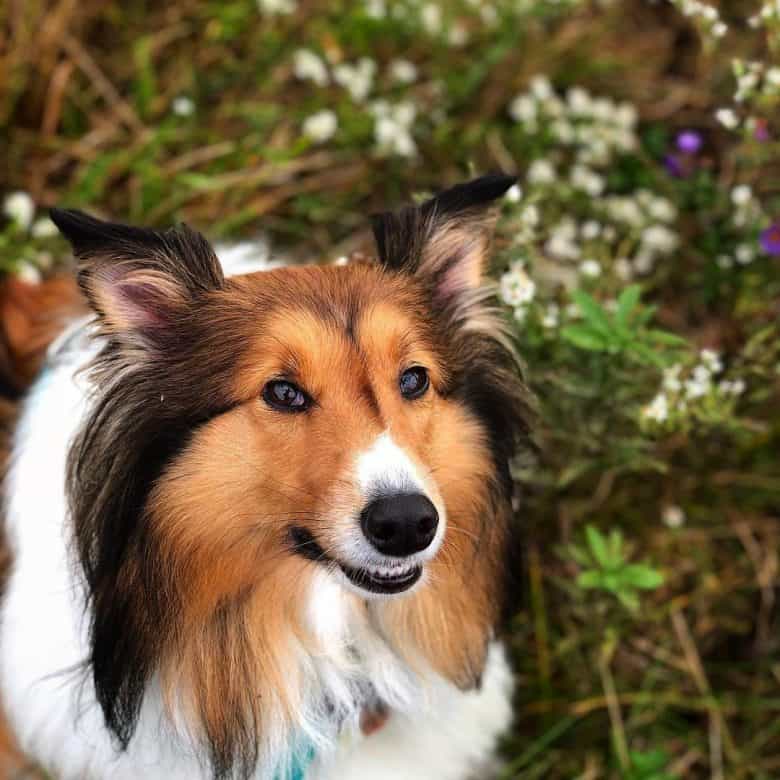
Progressive retinal atrophy occurs more rarely. It is also a genetic disease that is characterized by progressive degeneration of the retina. Eventually, this leads to blindness.
Theoretically, both of these problems could be eliminated by careful breeding. However, most kennel clubs do not require tests for either disorder for the dog to be shown or registered.
For this reason, many breeders do not screen their dogs.
Furthermore, Collie eye anomaly is so common that removing it completely from the breed would shrink the gene pool considerably. This could cause even more health problems.
It is recommended that most Rough Collie puppies are screened for both eye disorders when they are only a few weeks old.
CEA can be detected rather early, while PRA is not always noticeable in puppies. Dogs will need to be continuously tested throughout their life.
Collies are also prone to canine cyclic neutropenia. This is a blood disorder that is usually fatal in puppyhood. It is also referred to as “gray collie syndrome”.
This is not a description of the coat color, but the pale gray color that the puppy develops.
Puppies that survive are not healthy and are affected by immune disorders for the rest of their lives. They usually do not live more than three years.
As with most large dogs, hip dysplasia is a somewhat common concern for these dogs. Careful breeding is reducing the problem, but this disorder is a combination of genes and the environment.
Because of this, it is very difficult to eliminate it completely. Most kennel clubs require some sort of hip testing for show dogs.
Hip dysplasia is rare in Collies when compared to other large-breed dogs.
Rough Collies can sometimes carry the mutant Mdr1 gene. This makes them sensitive to Ivermectin and similar drugs.
A screening test is available before these medications are prescribed. Sensitive dogs can develop neurological impairment or even death after taking these drugs.
These dogs are also prone to a number of other health problems, though they are rarer than those we already stated. Epilepsy, bloat, allergies, and thyroid disorders are all common.
All these disorders are a mixture of genes and the environment. There are no specific genetic tests out there to help remove these disorders from this breed.
Collies usually live for around 12-14 years. Their lifespan is dependent on their overall health, diet, and exercise.
How much is a purebred Collie?
The price of a well-bred Collie is typically between $1200 and $1500.
Sometimes, you can find dogs as low as $800. However, you should always be careful with getting a “deal” on a puppy. You should be suspicious about very low-priced puppies.
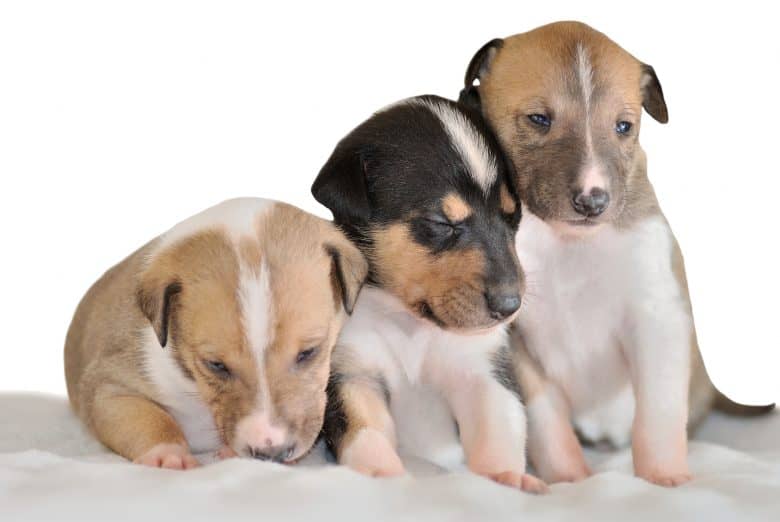
Litter sizes are between 4-8 puppies. Of course, there are litters on either end of this range as well.
There are many breeders out there for Rough Collies. They are not exceedingly popular, but they are readily available throughout much of the Western world.
The AKC Marketplace is the best place to find a qualified breeder. Breeders that are registered with the AKC have to keep up with certain breeding standards.
Beware of puppy farms and pet stores. These locations often do not have the puppy’s best interest in mind. Their parent dogs are not always the healthiest, and they likely do not perform the appropriate health testing.
Most pet stores sell puppies from puppy farms. A good breeder will not sell their puppies at pet stores.
Collie Breeders
There are many qualified Collie breeders out there. There is probably one in your area if you look. The Wyndlair Collies is one of the top breeders out there. They are registered with the AKC and breed show Collies.
Stirling Collies and Aspen Collies are both common breeders as well.
Adopting a Dog From a Collie Rescue or Shelter
There are many Collie rescues spread throughout the country. The Tri-State Collie Rescue is one of the largest options. The Collie Rescue Foundation is a national organization that rescues Collies around the United States.
The Collie Rescue League of New England often has many dogs available as well.
Curious about Collie Mixes?
There are many common Collie mixes out there. Many of these are great companion dogs.
Lab Collie Mix
These dogs are usually considered outgoing. They are very happy and quite fluffy in most cases. They are quite intelligent but love listening to their owners as well.
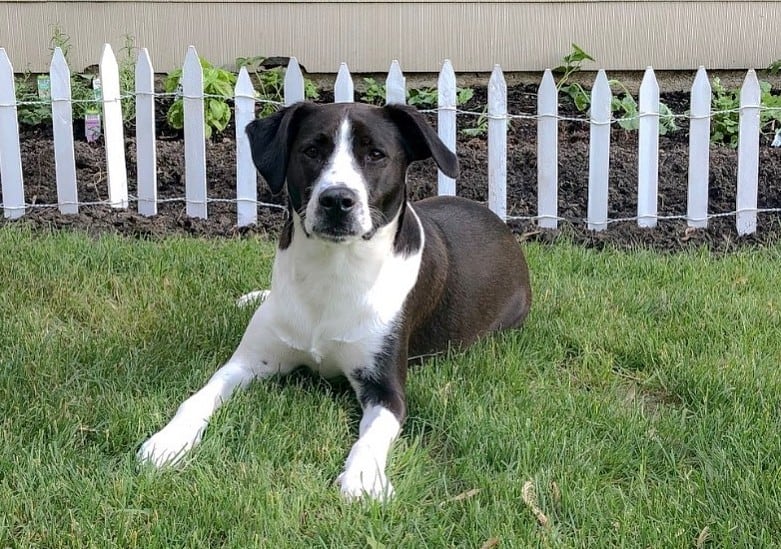
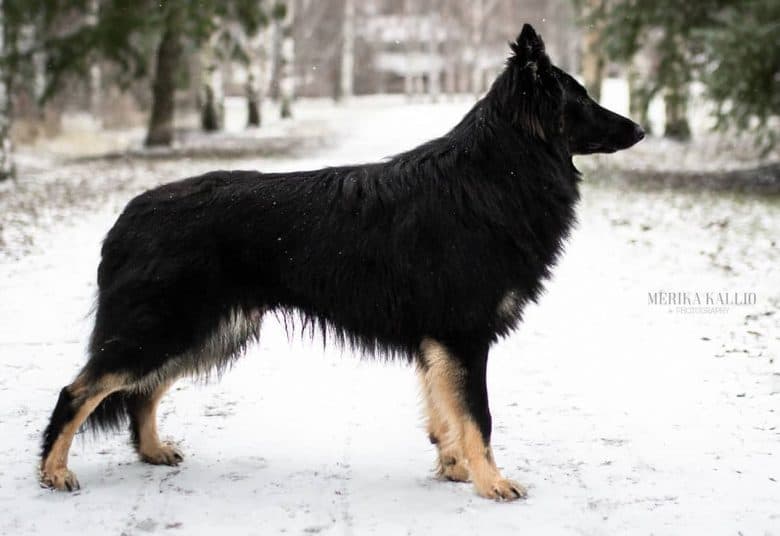
German Shepherd Collie Mix
The German Shepherd Collie mix is typically a bit more guarded than other Collie mixed breeds.
They can be a bit territorial, which makes them great protection dogs. They need a lot of outdoor space and are not suited to small apartments.
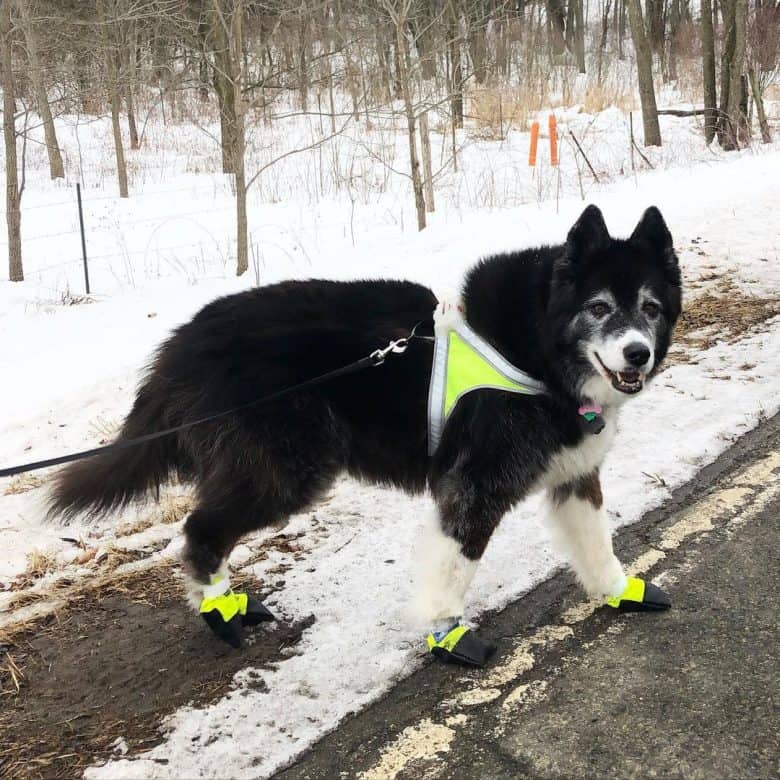
Husky Collie Mix
These dogs are extremely fluffy and energetic. They have high energy levels. Because of the Husky’s stubbornness, they are not the easiest dogs to train. Otherwise, they make great family dogs.
Poodle Collie Mix
Just about everything mixed with a Poodle is adorable. These dogs may shed a little less than other Collies mixes. They are extremely intelligent and easy to train.

Who should get a Collie?
Collies can be good first-time dogs. They are laid back and decently calm. They love their people and happily listen to most commands. They are decently easy to train because of their high intelligence.
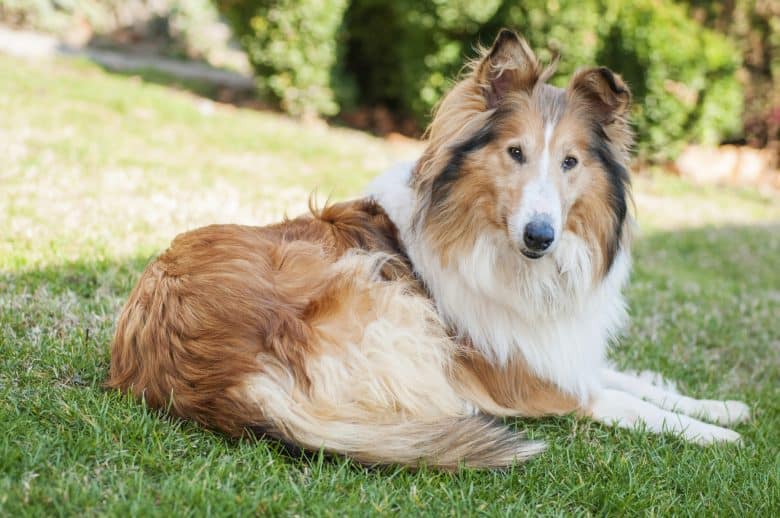
These dogs do require a lot of brushing. But, their exercise needs aren’t as high as you would otherwise guess. If you have time to brush them out daily, then this dog may be perfect for you.
Are you considering getting a Collie? Let us know in the comments!