Independent, cunning, and strong, the Irish Glen of Imaal Terrier, or simply Glen, is one of the most capable hunters and diggers around.
If you enjoy the great outdoors and are looking for a hardworking fido to be your canine companion, you and this pooch will get along for life!
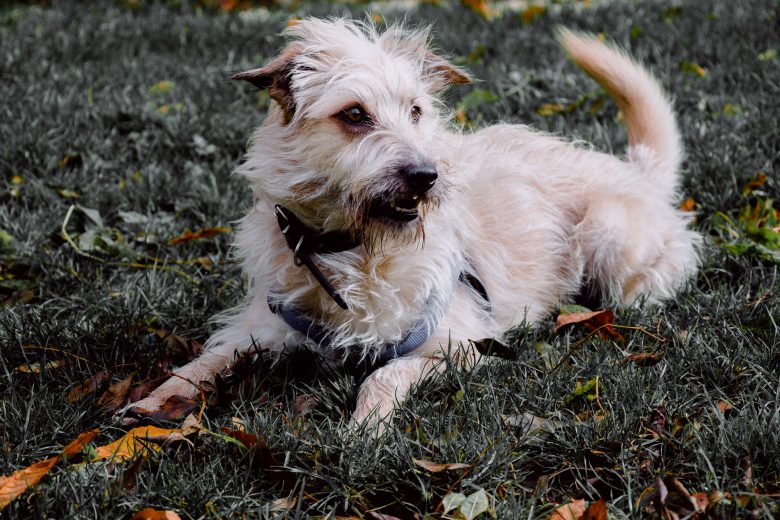
Read on so you can decide if you should get a Glen of Imaal Terrier dog.
The Irish Glen of Imaal Terrier’s origin story
The Glen of Imaal Terrier got its name where it came from — the County Wicklow mountains’ rocky and remote Glen of Imaal.
In this desolate landscape, farmers and their dogs worked hard to make a living.
Bred and developed to hunt small prey like vermin, badgers, and foxes, this versatile farm dog was an all-around worker.
It also got nicknamed “Turnspit Dog” because of how they helped turn meat over in an open fire by running in a hamster-wheel contraption — your imagination is right, dog-operated rotisserie!
Up until the 1930s, this purebred did all its chores unnoticed in the far-flung valley of Ireland, then they got recognized by the Irish Kennel Club in 1934, followed by the Kennel Club of England in 1975.
After all, the turn of the 19th century is when dog shows started to emerge.
Fun fact: It is believed that this pup is a mix of hounds of Flemish and native Irish dogs that was brought by soldiers who served Queen Elizabeth I during the 1570s.
Some owners of Glens emigrated to theUS but they didn’t land until the 1980s. It’s when fanciers and dedicated breeders imported foundation stock from the UK and Ireland.
By 1986, the Glen of Imaal Terrier Club of America was founded by the same pioneers of this dog.
After a year (1987), the American Kennel Club (AKC) recognized the breed under the Terrier Group.
What does the Irish Glen of Imaal Terrier look like?
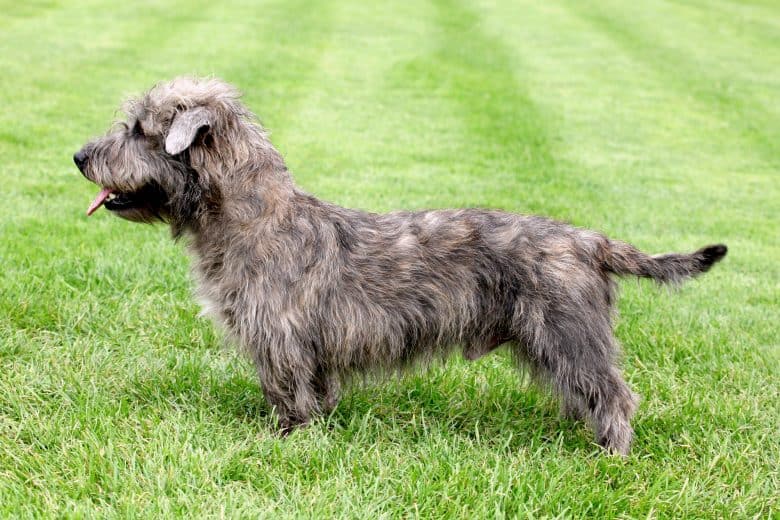
Based on its AKC breed standard, the scruffy Turnspit dog has a robust, muscular build and is longer than tall, possessing incredible strength despite its size.
They have unrefined and antique features that were common in early terrier types. So if you’re thinking, “this dog is looking a little mangy and scrappy,” that is actually preferable.
Other hallmarks in their appearance include half-prick or rose ears, a unique topline and outline, as well as its bowed forequarters with feet that turn in.
Their distinctive head is in proportion to the rest of their moderate-length neck, shoulders, and body.
Brown, medium-sized eyes and a black nose complete its adorable terrier look.
Most Glens have their tails docked to half-length to balance their form. If not cut, the tail hangs almost to the floor.
Size: How big does a Glen of Imaal Terrier get?
Tagged as a “big dog on short legs,” Glens have a height of 12.5 to 14 inches (32 to 36 cm) and a weight of 32 to 40 pounds (15 to 18 kg).
Glens have three growth stages and it can take a Glen of Imaal Terrier puppy four years to mature and reach its full-grown size.
Due to their smaller size, these earthdogs can adapt to apartments, as well as homes, but they prefer large backyards so they can scratch their digging itch.
These double coats aren’t much work
Glens have a medium-length no-frill rough topcoat and a soft undercoat.
Although this pup has a double coat, their grooming needs are low because the harsh, wiry topcoat protects the shorter and low-shedding undercoat.
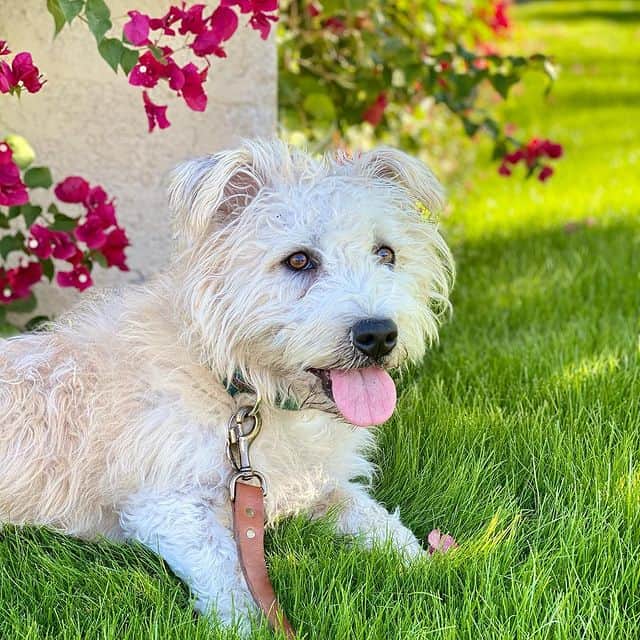
The Glen of Imaal Terrier coat comes in multiple colors, including any shade of blue from slate to silver, several shades of wheaten from red to cream, and brindle.
Brindle Glens will have a tiger stripe-like pattern that mixes with one dominant color with darker streaks or patches.
Due to the wide variety of coat colors, the Glen doesn’t have a breed standard, but blue variants are the most common.
The hardy yet gentle temperament of the Glen of Imaal Terrier
Glen of Imaal Terriers are a breed that’s addicted to digging, playtime, and the hunt.
To this day, this breed retains most of its prey drive and general instincts from their ancestors and may not seem like great family pets at first.
However, this brave and feisty terrier would probably die for you and the family if given the chance.
Their strength and watchdog qualities make them protective of their loved ones, which is the main reason for their high affection level.
Glens have a reputation for being independent and stubborn, likely because this breed had to tackle harsh environments daily without adequate companionship.
Their loyalty still drives them to stick near you – just in case a fight starts, or you need their help.
The Glen breed doesn’t like to have other animals or dogs near them and can get aggressive without proper socialization.
They won’t necessarily snap at strangers, but they will use their loud piercing howl to threaten them away from the property.
This high-energy breed has ample exercise needs. They are perfectly fine jogging, running, or completing tasks with you. Glens are one of the best breeds for dog sports.
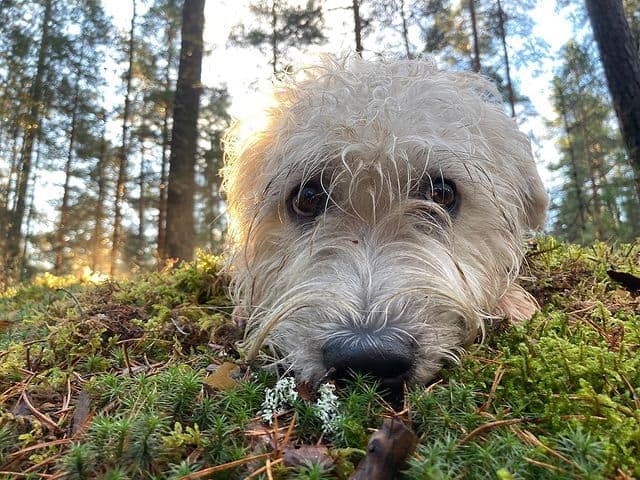
Are Glen of Imaal Terriers good pets?
Even though Glens are fit for work, they make fantastic family pets and long time companions when you navigate their hard-strong temperament.
If you have a job for them to do, like hunting vermin or digging, they will do it without any complaints.
While not always a snuggle bug, they love praise from their adoring owners and take to kids and seniors quickly.
They see more vulnerable family members as valuable and in need of protection, so expect them to attach themselves to small children.
With that in mind, Glen of Imaal Terriers can tolerate being alone for long periods as long as they have something to do.
Many owners will make a manual hamster wheel so their pups can work out and entertain themselves while they protect the home.
Their intelligence and high trainability can make them easy to train but start young. Glens love to dig, so you must teach them where it’s appropriate for them to do so in your backyard.
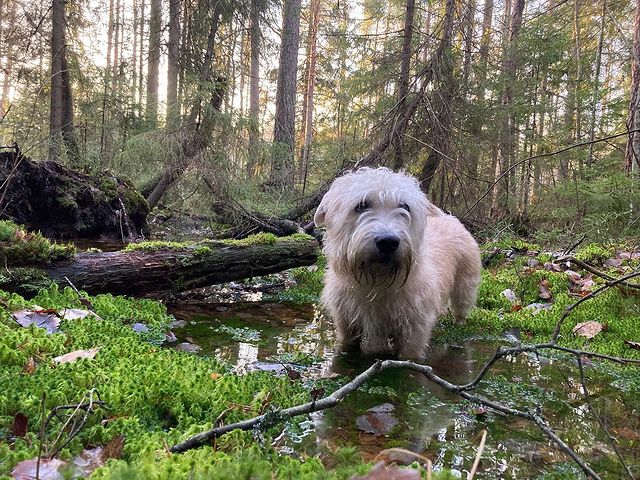
Are Glen of Imaal Terriers low maintenance?
Glen of Imaal Terriers have low grooming needs because their wiry topcoat is easy to maintain. They also have average exercise requirements despite their high energy.
Overall, you’ll find this breed is adaptable to multiple situations and can fit in anywhere.
The Imaal Terrier has a higher tolerance in hot weather than cold. If you live in a winter climate, purchase or knit them a sweater and boots to keep them comfortable.
Don’t forget to play with your pup
Glens have a high energy level and love intense and fulfilling work as exercise. They’re endlessly playful and require daily mental stimulation to keep them out of trouble.
Keep them engaged by installing a hamster wheel or obstacle course in your backyard.
Whether you participate in dog sports, or you’re taking them for a daily walk or run, your Glen must exercise at least 30 minutes a day.
Glens give themselves plenty of exercise by themselves, so you won’t need to designate specific playtimes.
There are plenty of treadwheels and toys your Glen will love, so be sure to horde a bunch of them to keep them happy and healthy.
Is a Glen of Imaal Terrier hypoallergenic?
Despite the wiry topcoat, the Glen of Imaal Terrier isn’t a hypoallergenic breed.
While most terriers are hypoallergenic due in part to their wiry overcoats, Glens will cause allergic reactions for anyone that gets the sniffles around pets.
As a positive, the Glen is a non- to low-shedding breed thanks to the wiry topcoat – at least this coat is excellent for reducing vacuuming!
If you want to understand how to take care of their coat, watch the video below!
On top of that, Glens are easy to groom because their double coat isn’t fussy or complicated.
You can brush them once or twice a week to avoid tangling, but be sure to bathe them every three months to clean away dirt and oil buildup.
You won’t need to trim their coats in a specific way unless you want them to compete in dog shows. A Glen’s fur will grow out on its own and won’t burden or weigh them down.
If you want to maintain their coat long term, you will have to strip their hair with a stripping knife.
Clipping a Glen’s hair will make their coat lose its luster, but that may not hold importance for you unless you want to show your family member off to a judge.
Brush your Glen’s teeth two to three times a week, but daily brushing is even better at preventing tartar and bacteria buildup.
Be sure to trim your pup’s nails twice a month, so their claws aren’t skidding across the floor. Check their ears weekly to prevent infection.
It’s essential to get your Glen used to frequent grooming because they typically don’t like when others touch their paws.
Touch their nose, ears, mouth, and around the eyes frequently, so they welcome grooming with open paws.
The average Glen of Imaal Terrier Food intake
Most medium-sized dogs like the Glen of Imaal Terrier could develop obesity if you overfeed them consistently.
Watch how much you feed your Glen and reduce their food intake based on your veterinarian’s recommendations and the dog’s weight.
The recommended daily amount for a Glen of Imaal Terrier is 1.5 to 2 cups of high-quality dry food per day, divided into two meals.
This recommendation is pretty spot on because the Glen doesn’t vary too much in height and weight.
If you want a more specific food plan that works with your Glens weight, give them 1 ¾ cups of an 8 OZ measuring cup per day, two times a day if they weigh between 30-39 lbs (13.6-22.6 kgs).
Your pup will eat around 781 calories per day.
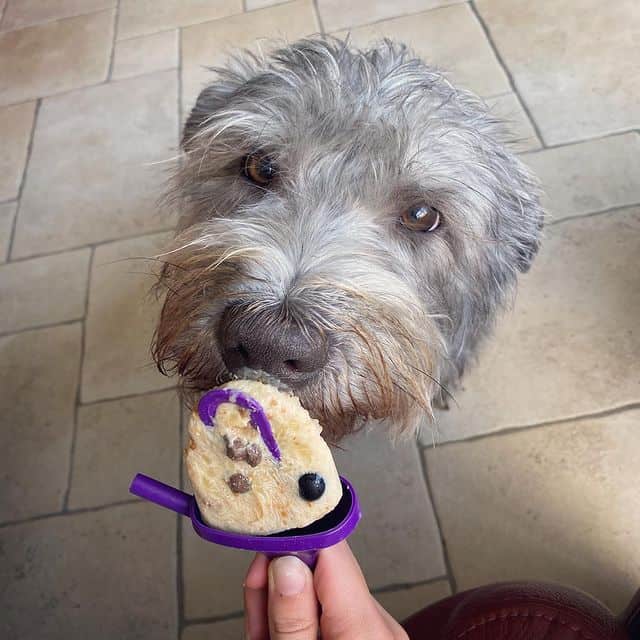
Puppies may require a puppy formulated diet, but since Glens grow slowly, they will likely adjust to high-quality adult dog food quickly.
Avoid human food if possible, especially raw meat and grapes. You’re allowed to spoil your Glen every now and then, primarily if they perform a really impressive trick.
Will I need to take my Glen of Imaal Terrier to the vet often?
Overall, Glens are generally healthy but are prone to specific health conditions.
It’s common for Glen of Imaal Terriers to lead long and healthy lives, but it’s still important to learn about these health concerns so you can prepare.
Eye disorders like cone rod dystrophy and progressive retinal atrophy are common in this breed.
Hip dysplasia and elbow dysplasia could also appear later on in the Glens lifespan. Their bowed legs make them more likely to die from joint problems.
Other health issues related to the Glen Imaal Terrier include:
- Thrombopathia
- Hypothyroidism
- Von Willebrand’s disease
You can health screen this pup to minimize the likelihood your Glen will develop health problems in their lifetime.
The Orthopedic Foundation for Animals (OFA) can determine if your Glen will have hip dysplasia, elbow dysplasia, hypothyroidism, and Von Willebrand’s disease.
To health screen thrombopathia, screen them at Auburn University.
Finally, take an ophthalmologist evaluation at the Canine Eye Registry Foundation (CERF) or the vet to certify that eyes are normal.
For more extensive health screening, opt-in for PRA Optigen or CRD DNA test.
The Irish Glen of Imaal Terrier has an average life expectancy of 10-15 years. Glens are pretty durable and often live longer than their projected lifespan.
What is the average Glen of Imaal Terrier price point?
Finding a Glen of Imaal puppy from a breeder, shelter, or local rescue in the United States will be a complicated task because there aren’t many of them available to the public.
If you manage to find them, you won’t need to spend a lot of money to adopt them.
Glen of Imaal puppies will cost between $1500 and $2200. While that may seem expensive, this price comes to us as a shock.
Despite their rarity and versatility, you’ll pay the average small/medium dog price point.
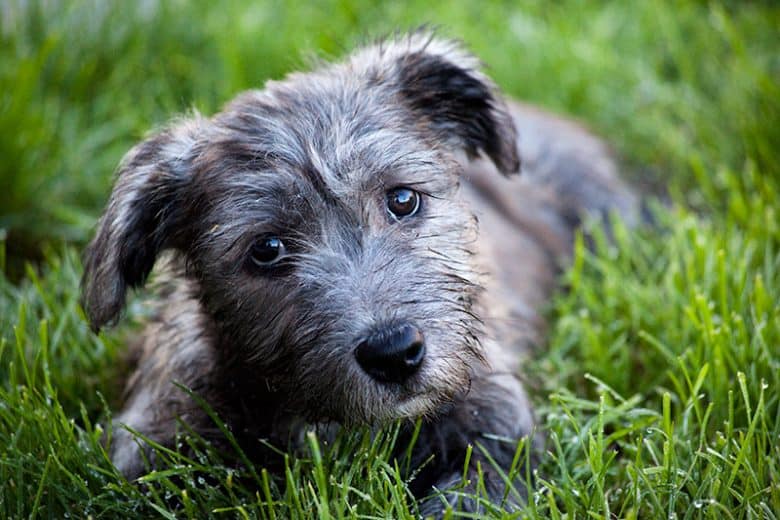
Still, this purebred pup does come from a long line of Glens that are hard workers who benefit from great health thanks to centuries of correct breeding.
As this breed becomes rarer, this price is likely to change. For now, you’ll have to consider kennel popularity, the breeders’ location, shipping fees, and the parents’ bloodline when you factor in the cost.
Older Glens will cost you much less than puppies.
Irish Glen of Imaal Terriers have small litters of 3-5 puppies, but they can get as high as 6-7.
Finding a Glen of Imaal Terrier Breeder is difficult
Finding a good Glen Imaal Terrier breeder won’t pose a challenge because the few that remain likely treat their pups with a lot of love and respect.
If this breed continues to grow in popularity, it’s possible more and more puppy mills will show up to meet demand.
Ask the breeder for genetic testing results to take preventative measures against the few health problems they have.
You should also visit their kennel and see where they keep their puppies to know if the environment is clean and loving.
Reputable breeds will keep information available on the puppies parents. It’s a red flag if they refuse to provide health records.
You can find Glen of Imaal Terrier puppies for sale at these locations:
- Finnabair Glens (Babson Park, FL)
- Jo Lynn Tipperary Farm Glens (McDonald, PA)
- Abberann (Saint Charles, IL)
Finding a Glen of Imaal Terrier Rescue Center is even more difficult
If you thought finding a specialty breeder for Glens was tough, you’re going to pull your hair at the thought of finding one at an adoption or rescue center.
This is an optimistic thought because that means fewer Glens are without warm homes and loving families.
As a positive, Glens adapt well to new situations, so you won’t have difficulty training them out of bad habits.
They will appreciate homes with kids expressly and no other pets, so only adopt an adult Glen if you know they can adjust.
You can try to find Glen of Imaal Terrier puppies with these locator websites:
- Glen of Imaal Terrier Rescue Me (International)
- Adopt a Pet (International)
- Glen of Imaal Terrier Rescue Foundation (Burnsville, NC)
Can you handle the Glen of Imaal Terrier?
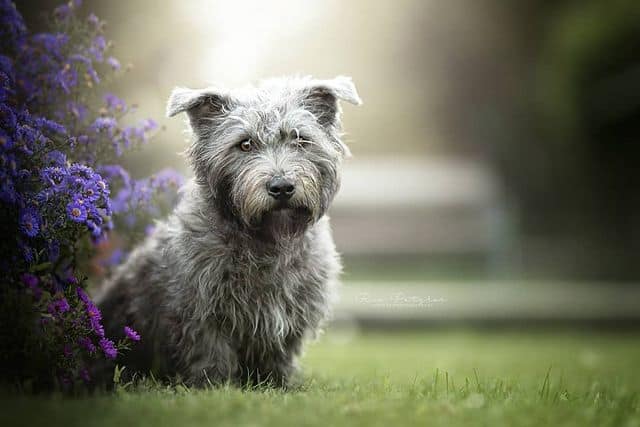
The Glen of Imaal Terrier is a hard-working dog that enjoys the company of its friends and family.
Loyal, gentle, and bold these tiny bolts of energy will protect you from any threat. Without proper socialization, any threat could include the neighbor or a stray cat.
Glens are low-maintenance but need constant mental stimulation through dog sports and walking to stay healthy. Without playtime, they will find their own fun by ripping up your furniture.
First-time dog owners will love the scrappy Glen because they are easy to train and love affection. Just watch out for their stubborn streak.
What do you think of the Glen of Imaal Terrier? Do you enjoy their cute, unkempt manes? Tell us about it below (and attach a photo of your pet, because we’d love to see them)!
