The Jack Russell Terrier dog (JRT) is an intense and athletic little dog that has won people’s hearts everywhere with its speed, intelligence, determination, and bold attitude.
Many hunters, flyball enthusiasts, professional trainers, movie producers, and those who love small dogs favor the JRT. But what else should you know about them if you’re planning to get one?
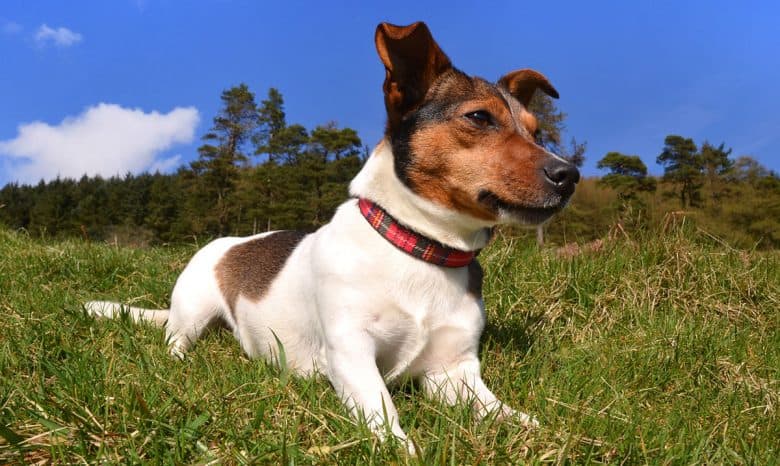
Keep scrolling and get to know this dog breed more.
Where did the Jack Russell Terrier originate?
The Jack Russell Terriers, also known as Parson Jack Russell Terrier or Parson Russell Terrier, were bred first by Reverend John Russell, a priest, socialite, and red fox hunting enthusiast born in England during the 19th century.
Looking for the ideal Fox Terrier, he purchased a small female named Trump. She became the prototype for Russell’s breeding program to develop a working-terrier with stamina and courage.

Today, the lovers of the original JRT believe that dog show standards take away from the dog’s working qualities that John Russell wanted to preserve.
By the 20th century, the Russell Fox Terrier was much different from the original breed. Still, the old-style JRTs remained in some places.
It is from those preserved breeding lines that the modern Jack Russell Terrier is descended.
Some breeders believe that the JRT should keep his unique working-dog qualities, while others prefer Parson Russell dog show standards.
Before World War II, fewer hunting dogs were needed. As hunting became less popular, so did JRTs. People started training them to be companion dogs to increase their popularity.
The Jack Russell Terrier is now one of the most popular breeds globally, but the American Kennel Club (AKC) doesn’t recognize them yet.
The dogs started gaining public recognition as its own dog breed in England during the 1850s. But in the US, it was around the 1930s.
A few breed clubs in America have different opinions about the ability and appearance of JRTs when it comes to competing in dog shows.
In 1976, Ailsa Crawford created the Jack Russell Terrier Club of America, and she is one of the first people to breed the dog in the US.
This breed club created the breed standard for the original JRT and holds conformation classes in place of breed shows. This unique competition judges the dog based on their preserved hunting instincts.
They still consider the JRT a hunting dog only, but not as traditional show dogs.
There were also several Jack Russell associations created in the United Kingdom, and one of them is the Jack Russell Club of Great Britain.
In 2001, the AKC granted admission to the JRT, but under their rules, with a new name and standard, known as the Parson Russell Terrier.
What does a Jack Russell Terrier look like?
Based on the Jack Russell’s AKC breed standard, they have dark, almond-shaped eyes and V-shaped ears that drop forward.
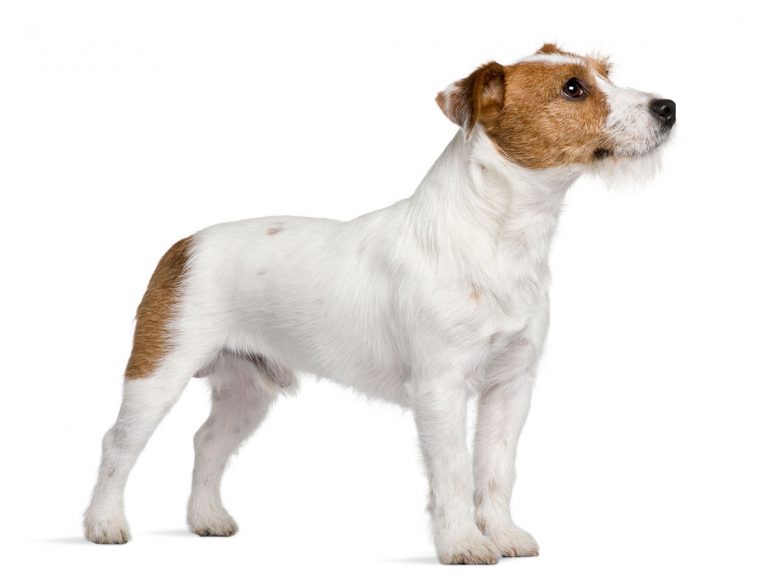
This dog breed comes from the Terrier family, which is a word for “burrow.” The name comes from their job of hunting vermin in underground holes.
It makes their muscular build, strong muzzle, and razor-sharp scissor bite perfect for the task.
Its cat-like feet, sturdy hindquarters, and hocks are close to the ground and help it make quick movements in small spaces.
Size: How big do they get when full-grown?
Jack Russells can range in height from 10 to 15 inches (25 to 38 cm) at the withers, and a healthy JRT can weigh up to 13 to 17 pounds (6 to 8 kg).
Shorty Jacks have shorter legs and stand anywhere from 8 to 12 inches (20 to 30.5 cm). This mix tends to look more like the Corgis and other stocky breeds that they are bred with.
With its size, it’s easy to think that this breed is a good apartment dog, but they’re not. Jack Russel Terriers are highly active canines that need a lot of space to run and burn off energy on their own.
So a house with an average- to a large-sized yard would be the best home for them, or maybe a farm.
The different coats of the JRT
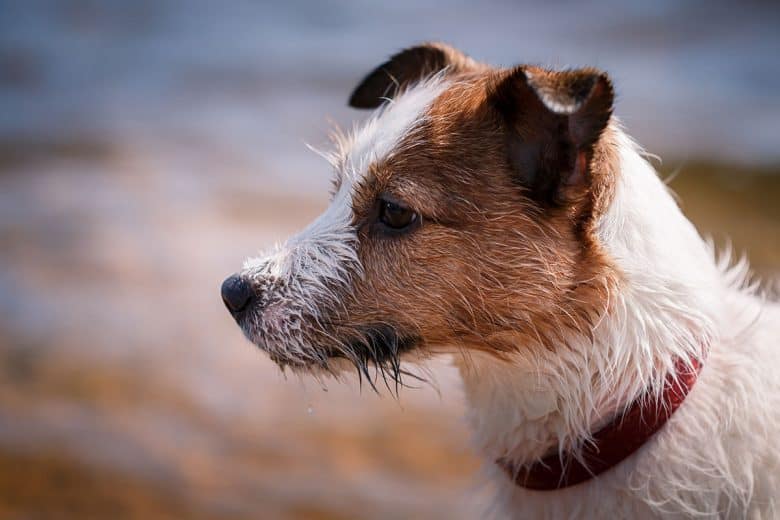
Rough, broken, smooth – these are the different coat types of the Jack Russell. Regardless of what coat they have, it’s a double coat that’s weatherproof. Let’s discuss the differences between the three:
Smooth Coat
This coat is short and appears soft, even though it feels rough. The hair grows in one direction and is the easiest to care for. This coat only needs weekly brushing.
Rough Coat
This coat is long fur with a messy texture. The hair on this coat will grow to varying lengths and may be referred to as the wire-haired Jack Russell Terrier.
Broken Coat
This coat has a combination of the coats described above. It has an equal amount of rough and smooth patches throughout the body.
For coat color, the most favored is white.
They were intentionally bred to have a white coat to differentiate them easily from the red fox during the hunt, but they can also come in other colors, like black and white, tan and white, and tan, black, and white.
Some have a brindle coat, but the AKC does not accept it.
Jack Russell Terrier puppies may develop small black or tan markings, but those markings on the skin change in size, amount, and color as the dog mature.
Is the Jack Russell a good family dog?
JRTs are protective, loyal, and affectionate fidos, making them one of the best dog breeds to have as a family pet. Plus, their cute looks and portable size will make anyone fall in love with them!
They’re also social doggos that aim to please their owners, so anyone who owns this pooch can expect hours of being amused with their playful antics.
But of course, with every pro, there’s a con. Jack Russell Terriers tend to have same-sex aggression towards other dogs and can get aggressive with strangers, too.
To avoid further provoking these hunting dogs to bite, only place them in a room with canines of the opposite sex.
Jack Russells is also one of the dog breeds with a very strong prey drive, considering how good they are with their field background.
If they catch a scent of other pets or animals, their hunting instinct will have them on the move to hunt, chase, and dispose of what they think are pests on their property.
With humans, these dogs aren’t inherently dangerous. But we highly recommend them to families with older children who know how to approach and interact with canines.
They may snap when handled roughly or be too rambunctious for little kids.
As with any breed, a Jack Russell Terrier should have early socialization. Give your puppy a headstart that not everything is a threat or should be attacked. Let him get familiar with different people, dogs, pets, noise, and places.
Do Jack Russell dogs bark a lot?

Stubborn, territorial, and strong-willed – these are the natural traits of Jack Russells that are bred to protect, so they’ll bark a lot to warn other dogs and people.
But excessive barking is mainly related to not having a proper outlet for their high energy levels.
Channel all that energy into training your JRT. Luckily, they’re relatively easy to train.
A few canine actors would prove that, like Jack Russell Terrier Moose, who plays Frasier and Eddie Crane, or “the little dog with a big imagination” named Wishbone.
When we say they’re “easy to train,” it means for experienced handlers, NOT novice owners. Training a JRT requires plenty of time, dedication, patience, and boundary-pushing behavior because they get bored fast.
If they’re not entertained while training, they’ll lose interest. If you succeed in teaching this breed, you’ll see your pooch learn impressive tricks or dominate dog sports like agility!
Can Jack Russells be left alone?

They can handle being alone for a few hours, but not in a crate.
They can suffer from horrible separation anxiety, so it’s best to provide a limited space your doggo can stay in and ensure that his favorite chew toys are there to keep him busy.
If they get too anxious, destructive behaviors can quickly happen, like chewing. You also wouldn’t want their natural tendency to dig.
When it comes to housetraining, a pup younger than 6 months will still make accidents, so the potty process will take time. If you dedicate at least 2 weeks to teach him where to go and give him a routine, it will stick.
Don’t let the Jack Russell Terrier Puppy roam free until he’s house trained. Every time you think they need to go, take them outside.
Be very strict in the beginning. Otherwise, they will do as they please. When they do well, you will need to praise and reward them.
Taking care of your Jack Russell Terrier
JRTs are high-maintenance terriers that are tireless and eager. They require a lot of exercise and playtime.
It’s also best to know that these fidos can’t handle extreme weather conditions. They can easily get cold or hot. So during summer, ensure that your pet is staying cool indoors.
When it’s rainy or snowy outside, give your pooch a jacket or dog coat for extra warmth.
Besides that, here’s what to keep in mind to keep him happy.

Exercising Your Jack Russell Terrier
This dog breed is a highly active canine that requires at least 30 minutes of daily exercise. Some can do 90 minutes as a minimum, so it would depend on how energetic your fido is.
You may imagine how Jack Russells love to run and jump around, meaning owning this pooch will get you up and moving. And regular neighborly strolls wouldn’t cut it.
There are plenty of options for athletic canines like this breed. Besides hunting, hiking, swimming, and there are canine sports like lure coursing.
For mental stimulation, games like hide and seek or puzzles would have your terrier excited to search for his favorite treats.
Give all this to your pup, and you won’t have much trouble with undesirable behaviors like chasing. Plus, the two of you will have no problem staying in shape.
Do Jack Russell Terriers shed a lot?

This may sound crazy, but did you know that, typically, the short hair a Jack Russell has, the more it sheds?
The point is, this dog breed isn’t hypoallergenic. They’re moderate to heavy shedders, and it gets worse when the season changes.
Before you think about shedding all that fur, know that all double-coated dogs have that hair for a reason. Not only does it protect them from harsh weather conditions, but it also helps them regulate their body temperature.
Providing your dog a nutritious diet, access to clean water, and flea treatments can help reduce shedding. But there are grooming requirements according to coat type:
Smooth-coated Jack Russells need a weekly brushing using a thick brush to remove dead hair and skin.
Those with a broken coat will also need their fur brushed once a week, as well as a regular clipping to maintain the top layer and prevent their long hair from matting.
Jack Russell Terriers with a rough coat require the most care. Burrs, debris, and dirt can easily stick to their long hair. Using a wire slicker brush, run it on your JRT 2 to 3 times a week.
And it’s best not to clip the rough-coated Jack Russells fur because it can make the hair dull.
We recommend going to a professional groomer to strip your terrier’s coat or if they can show you how to do it.
Here’s a complete video guide of how to groom a Jack Russell Terrier:
You should only give your JRT a bath every month or so. Overwashing too often can strip your dog’s natural oils, which isn’t good for his skin and coat.
Feeding your Jack Russell Terrier the best diet
The recommended amount of food for Jack Russell Terriers is 1.25 to 1.75 cups of high-quality dog food, divided into two meals.
Jack Russells will gain weight if they do not exercise and overeat, so keep them in good shape by measuring their food and having a feeding routine.
A simple way to know if your dog is overweight is to look down and see if you see a sign of the waist.
You can also put your hands on his back, thumbs along the spine, with the fingers spread downward, to feel whether he’s getting too fat.
You should be able to feel the ribs without pressing too hard. If you can’t, your dog may need to lose some weight. If you’re concerned, make sure you talk to your vet about your dog’s health the next time you’re due for a checkup.
Jack Russell Terrier’s Health
This terrier is generally healthy and has a lifespan of 13 to 16 years, but many factors can affect their life expectancy.
And just because they’re a hardy breed, they’re still predisposed to a few health conditions, like the following:

Glaucoma
A painful eye disease where the eye is full of pressure and produces fluid. If this fluid is not draining well, it could result in blindness.
The eyes are red, watery, and appear painful. The pupil looks cloudy and will not react to light. Treatment can be surgery or medication, depending on the severity.
Lens Luxation
This is when the ligament that connects the lens of the eye deteriorates and displaces. It can be treated with medication, but in severe cases, the eye may be surgically removed.
Deafness
Loss of hearing can develop with age, and this condition is more likely in the white-coated Jack Russell, though a white coat is not an indicator of deafness.
Legg-Calve-Perthes Disease
A disease often confused with hip dysplasia where the hip joint deforms. This condition can be treated with surgery and physical therapy.
Patellar Luxation
It happens when the patella doesn’t align with the other parts of the kneecap. This misalignment causes an abnormal gait.
The condition is present at birth but develops further with age. The rubbing caused by the joints can cause arthritis.
Before paying for a Jack Russell Terrier puppy, check the health clearances that state your pup is free from health problems.
Remember that dogs below the age of 2 cannot be cleared, so find a good breeder who will show you papers for both parents.
The Jack Russell Terrier Club of America doesn’t register any JRTs with hereditary defects.
A thorough exam from your local vet can help identify any health issues if you’re unsure of your JRTs pedigree.
Although JRTs can develop some health problems, it’s more realistic to focus on giving them the best care, a proper diet, and training.
The number one cause of death for this breed is getting hit by a car. So it’s best to keep your pooch in a safely enclosed area all the time or on a leash.
How much is a Jack Russell Terrier puppy?
Jack Russell Terrier puppies can cost from $800 to $2,500 each.

The average litter size of this breed is 4 to 8 pups, but besides availability, some of the other factors that can affect the price of a puppy are the kennel’s popularity, the breeder’s location and shipping cost, the gender and coat color, and bloodline.
So if you’re going to go for top pedigree Jack Russells, they can cost $4,000 and up.
Before committing to a JRT, make sure you understand the challenges that come with this little dog breed. If you need further help, JRTCA’s site to check your compatibility with the Jack Russell.
Finding a Jack Russell Terrier Breeder
The JRTCA recommends that you only buy through their state-listed breeders’ directory.
If you are looking for a JRT that follows the AKC standards, those puppy sellers register and list their dogs on the AKC Marketplace as either the Russell Terrier or Parson Russell Terrier.
When sourcing a JRT puppy, the most important thing is buying it from someone who loves their dogs and the entire breed as if it’s their own.
The breeder you finally decide on should be someone you feel comfortable with and can trust.
Always go with your instinct when picking a kennel, no matter how recommended it is. However, you shouldn’t be put off if the breeder asks you questions on how you plan to raise your puppy.
This is to be expected because they want to ensure their dogs go to loving and responsible homes.
Adopt a Jack Russell Terrier
There are plenty of adult dogs who end up in shelters for many reasons, so we recommend considering adoption. Not only is it more affordable, as adopting usually costs around $200, but it’s also rewarding.
Adopting a Jack Russell Terrier dog is also a good option if you’re looking to care for an older JRT or one with special care needs. It’s also the right choice if you’re looking to bypass the destructive puppy phase and find a dog that’s already trained.
Here are some of the rescue organizations with purebred and Jack Russell mixes available for adoption:
- Russell Rescue, Inc. (Columbia, TN)
- Jacks Galore Rescue (Washington, MA)
- Mid-Atlantic Jack Rescue (Conshohocken, PA)
- Jack Russell Rescue CA (Moorpark, CA)
Check out Jack Russell Terrier Rescue Organization in Toronto, ON, for those looking to adopt within Canada.
Jack Russell Terrier vs. Parson Jack Russell Terrier
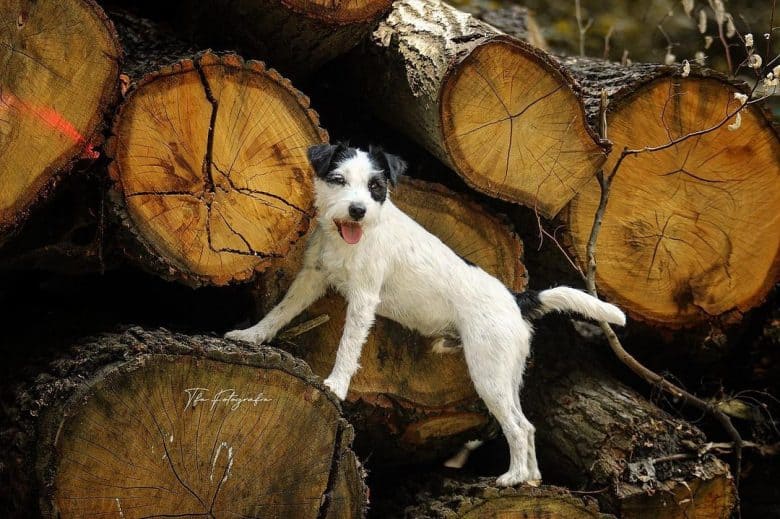
Jack Russell Terriers and Parson Russell Terriers are very similar dogs and only differ in size.
The Parson is between 12 to 14 inches (30.5 to 36 cm) at the shoulders, within the range of JRT but more restrictive. They have a more elongated and square-like body and head than a Jack, as well as a broader chest.
They’re also separate breeds because Parsons are bred only for show, while Jack Russells are bred for their working and hunting traits.
The Parson Russell breed is regulated by the Parson Russell Terrier Association of America.
Who should get a Jack Russell Terrier dog?

The Jack Russell Terrier dog is for an active and confident dog owner. You must be enthusiastic about your JRT’s exercise and needs, or you’ll be overwhelmed by his demands.
They make an excellent dog for the avid dog trainer, small game hunter, athlete, or farmer. While they may make loyal family companions, they aren’t the best breed for households with other pets, whether canine or critter.
Have some thoughts you want to share about the Jack Russell Terrier? Go ahead and leave a comment below.
Further Reading: Jack Russell Terrier mixes
- Chihuahua & Jack Russell mix (AKA Jack Chi)
- Beagle & Jack Russell mix (AKA Jack-A-Bee)
- Other Jack Russell Terrier mixes