The Keeshond is an old breed of dogs used for centuries as a loyal companion and a trusty watchdog. Sensible and cuddly, they sat on the boats and barges that traveled the canals and rivers of Holland many years ago.
This purebred dog has a fascinating history and endearing personality that have stolen the hearts of many.
You might also know this Dutch barge dog by its other names: Wolf Spitz, Chien Loup, Deutscher Wolfspitz, German Wolfspitz, Kees, or the Smiling Dutchman.
The Breed’s Unique Origin
The Keeshond (pronounced kayz-hawnd) has Arctic or Subarctic origins.
The breed rose to popularity during the 18th-century at the beginning of the French Revolution when it became the Dutch Patriots Party’s symbol.
In this time of political unrest, the country was divided in two as the Dutch Patriots Party opposed the royal House of Orange (or Prinsgezinden) in the Netherlands.
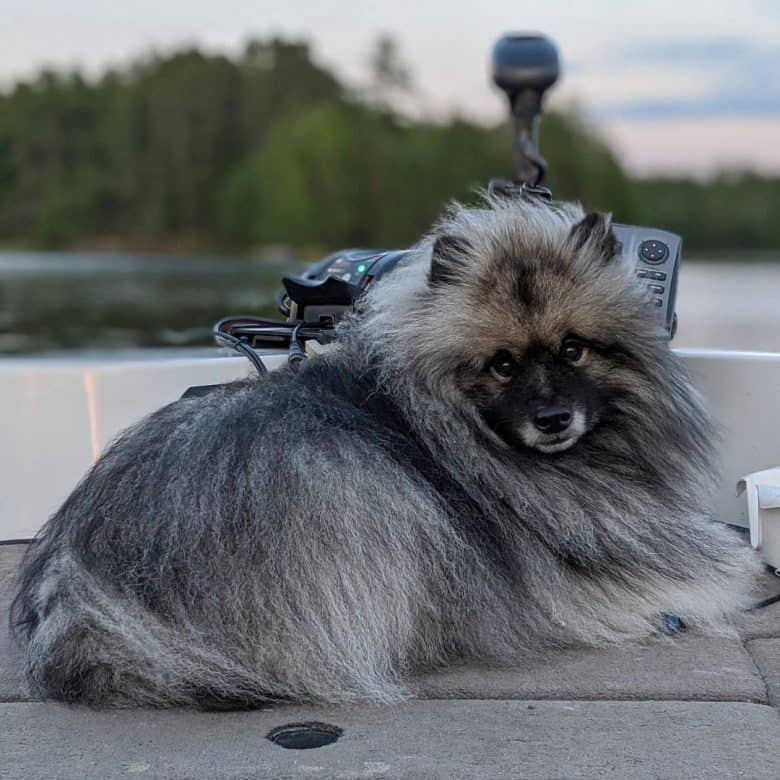
Because of these political ties, the Keeshond served as a barge dog on the Rhine. They acted as a guard and companion on Dutch vessels, earning them the Dutch Barge Dog title.
The Keeshond got their name from Kees De Gyselaer. He owned a dog named Kees, and was why the breed became the symbol of the Patriots in the Netherlands.
Many pictures and cartoons surrounding the Netherlands’ political situation during the 17th and 18th centuries featured the Keeshond because of its political affiliations.
After the Dutch Patriots were overthrown, the Keeshond breed became less popular, and people destroyed the dogs. Some survived and remained on Dutch farms and as barge dogs.
In 1905, Miss Hamilton-Fletcher (later to become Mrs. Wingfield-Digby) rediscovered the breed and brought the Keeshond to England.
This led to an increase in interest in the breed in the country and the English breed club formation in 1925.
The Kees became more popular in Holland after 1920 when Baroness van Hardenbroek showed a fondness for the breed. She began breeding the Keeshond, and soon after, formed the Dutch Keeshond Club.
The Keeshond is part of the Spitz family, a descent from the same stock as Samoyeds, Chows, Norwegian Elkhounds, the Finnish Spitz, and Pomeranians.
Despite their interesting history, Keeshonden are not very common, and many people have not even heard of them.
The American Kennel Club recognizes Keeshonds as purebred. They are part of the Non-Sporting Group alongside Dalmatians and Poodles.
The Keeshond even has its own club under the AKC founded in 1935, the Keeshond Club of America. The United Kennel Club and The Keeshond Club in the United Kingdom also recognize them.
What does a Keeshond look like?
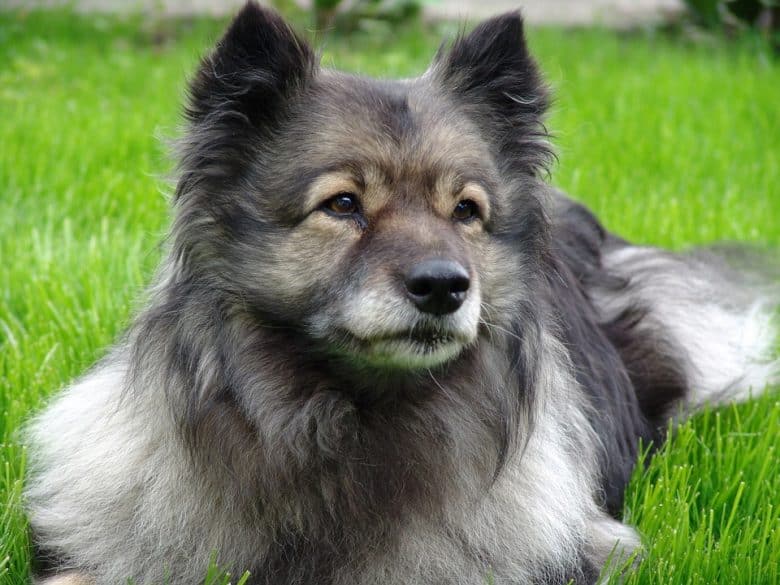
A nimble-footed, hardy barge dog, the Keeshond is a spitz dog with a massive and majestic coat. These dogs are identifiable by their fox-like face, pointed ears, plumed tail, and luscious coat.
Find out exactly how fluffy the Keeshond is with this video:
Their almond-shaped eyes are dark brown with black eye rims while their nose is black.
The Keeshond has a short-coupled, sturdy body with an alert carriage and an intelligent expression.
They have small, triangular pointed ears and a fox-like expression, and their heads are wedge-shaped with a medium-length muzzle.
Keeshonds have a compact body with a moderately long neck that sets well on its shoulders. Their back is usually short and straight, with a slight downward slope toward the hindquarters and a well-rounded pair of feet.
How big do Keeshonds get?
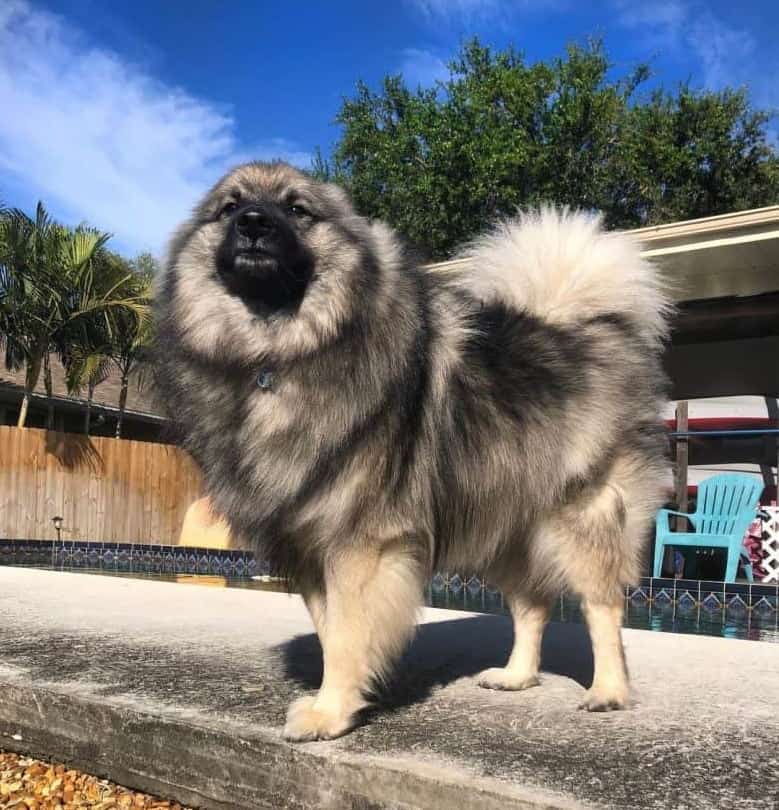
Fully grown Keeshonden are medium-sized dogs, reaching 17 to 18 inches (43 and 45.7 cm).
Their weight could go between 35 and 45 pounds (15.8 and 20 kg), with female Keeshonds weighing around 10 pounds less and are an inch shorter than the males.
A Keeshond normally reaches its full adult size at 11 to 12 months of age.
Their size makes them an ideal apartment dog who can adapt to various environments and housing conditions, ranging from a large living space to a small one.
Do Keeshonds have hair or fur?
Keeshonds have a majestic coat that is thickest around the neck and fore part of the shoulders giving them a natural looking mane.
The males have a more prominent mane than the females. Keeshonden have a thick, straight double coat as well while their downy undercoat is wooly. Meanwhile, their outer coat is long and straight.
Their thick coat comes in a combination of colors, including cream, black, and gray. Their fur can come in the following colors:
- Black and Silver
- Gray and Black
- Gray, Cream, and Black
- Gray, Silver, and Black
- Silver and Black
- Wolfgray and Black
- Black
- Gray
- Silver, Tawny
- White
- Wolfgray
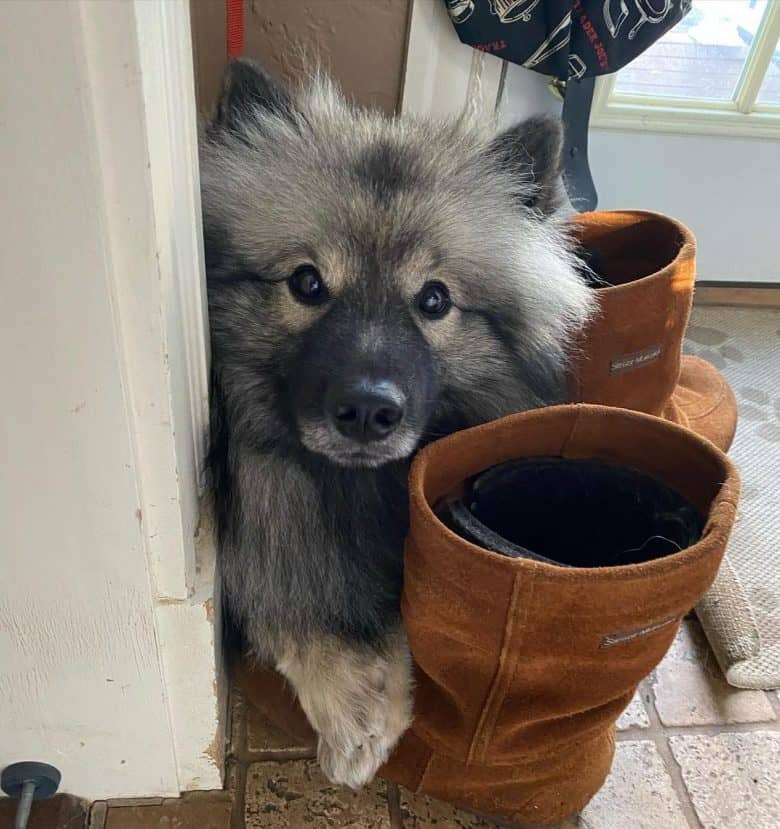
Keeshonds also have unique coat markings, especially around their eyes. These charming facial markings form what look like spectacles.
The dark line runs from the outer corner of each of their eyes towards the ear, making them look like they are wearing glasses.
Keeshonds have longer hair on their hind legs down to the hocks, forming what looks like thick trousers.
Their tail looks like a plume that curves over their back while their short, thick fur covers their ears, head, and lower legs.
Keeshond Temperament: What it’s like owning one?
The Keeshonden are people-oriented family dogs that adore their families. They’ll want to do everything with you! They are happy, lively dogs who are considered the most beloved dog in Holland.
To get a better idea about these playful pups, watch this video featuring Charlie the Keeshond.
The Keeshonds aren’t called the Smiling Dutchman for nothing.
These joyful dogs have a strong personality, and they adore any human contact making them great pets and avid cuddlers. The Keeshond will make a great friend for any family member.
They also love children and play well with them. However, as with most dogs, you should supervise any playtime when it comes to kids.
Are Kees aggressive?
They are very alert and will offer a warning bark in the presence of strangers. But with proper introductions, they will warm up to your family and friends in no time.
You can help your Kees get along well with other dogs, cats, and pets with early socialization, keeping in mind that they are not hunters and do not have a high prey drive.
The same bark that makes them excellent watchdogs also makes the Keeshond problematic. If left alone and they become bored, their bark will disturb your neighbors.
The Keeshond is a smart breed. They are obedient, agile, and even work well as therapy dogs. Kees are quick learners and love to impress their trainers.
But them being receptive to training can also be a problem. If you don’t challenge them enough, they might become a little mischievous.
The Kees also tend to chew, nip, or herd people. It’s more common during puppyhood and should not be considered as aggressive behavior.
They also like to bite or “mouth” when playing, and although these bites don’t hurt, you need to train them out of this habit.
Puppy training and early socialization are a must with the Dutch Barge Dog as early as 10 weeks.
When it comes to ensuring high trainability and good social skills, expose them to as many different sounds, sights, and experiences as possible.
Invite visitors over often, take them to the park or restaurants or introduce them to other dogs on walks.
Keeshonds hate being alone. People bred them to be companion dogs and guard dogs, after all! If you can’t offer the Keeshond a seat on the couch, then you might want to choose a more independent dog.
If you are planning on leaving your Keeshond alone, they will experience separation anxiety. Be sure not to leave them on their own for more than a few hours or they will get antsy.
Thankfully, there are several ways to ease separation anxiety in dogs, one of which is crate training.
How to take care of your Kees
Keeshonds demand a lot of love and attention. They adore being around people. If you can’t offer them a significant role in your family and daily exercise, it might be better to select another breed.
These spitz-type dogs prefer cold weather. They love to spend their time outdoors when the weather is chilly. But they are not outside dogs. They want to be with their family, participating in all their activities.
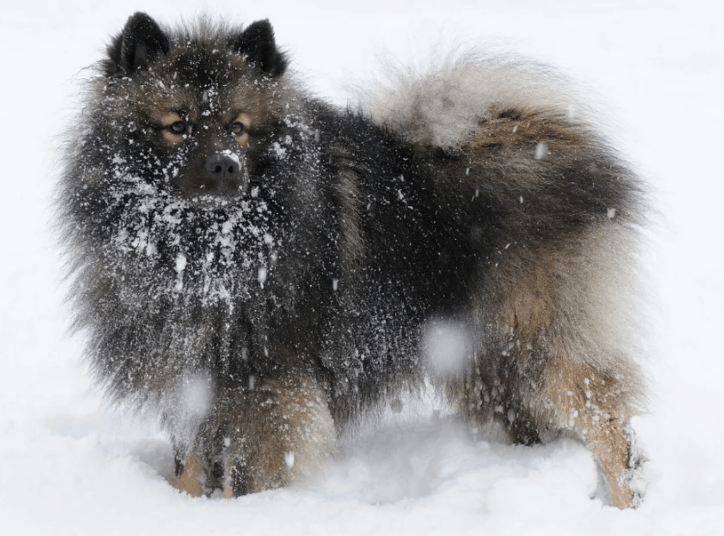
Keeshonds can live in hot weather but don’t do well in it. If you do live somewhere hot, be sure not to take your pup out during the hottest time of the day. Also, don’t shave their coat as this will only make them overheat faster.
Exercising your dog
The Keeshond is an active and playful family pet. Their energy levels are high as well as their exercise needs. They need regular activities and love a good free run. This will help them both physically and mentally.
You should walk your Keeshond every day and set aside plenty of time for play.
Swimming can also be a good exercise for your Kees. They can learn how to swim and love to spend time in the water.
Their thick coat can make the task challenging, though. Keep an eye on your dog when they are in the water to make sure they don’t exhaust themselves.
Grooming: Do Keeshonds shed a lot?
Keeshonds are not hypoallergenic and experience seasonal shedding. During these times, you’ll need to commit to daily brushing.
You’ll want to invest in a good vacuum cleaner during these shedding seasons or when your Keeshond will shed their entire undercoat all at once. This period will usually happen twice a year and last around three weeks.
With a coat like the Keeshonden, you’ll need to provide frequent brushing, at least two to three times a week. Not only will this keep their coat shiny, but it will also prevent matting.
With a pin brush, you can keep the undercoat brushed out and reduce Keeshond shedding.
To brush your Keeshond, move the brush in the direction of the coat. Place pressure when you brush to make sure you reach the downy undercoat as well as their outer coat.
You should also trim their nails once a month, check their ears every week, and brush their teeth 2-3 times a week. You also need to trim their fur around the hocks, feet, and pads.
Kees need a good bath every three months. But if your furry friend loves to play in the mud or rolls around in something dirty, you need to bathe them more often.
They are clean dogs that don’t have a strong doggy odor, as long as you groom them properly. If you’ve got a Keeshond puppy on your hands, bath it every six weeks.
Keeshond food consumption
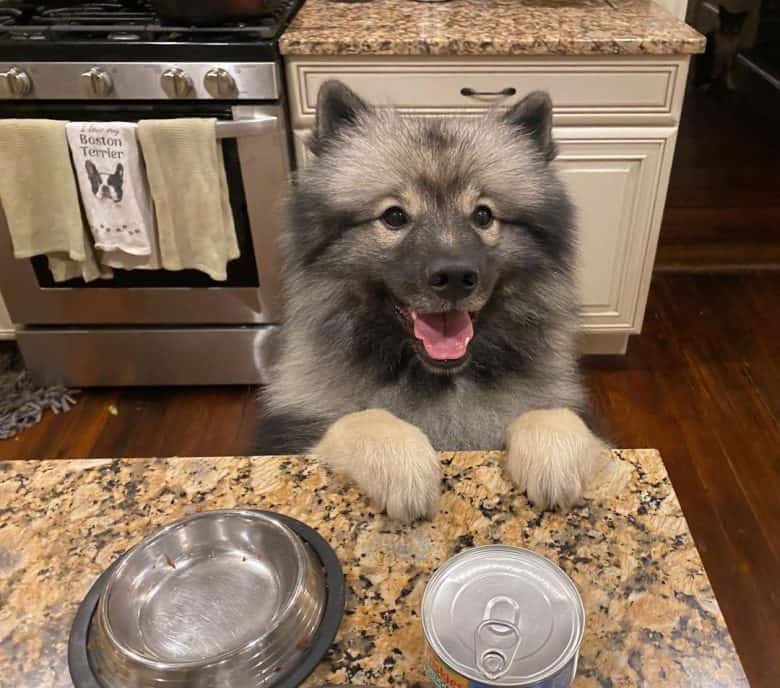
Keeshonden should eat around one to two cups of high-quality dry dog food every day. Divide it into two meals.
You also need to keep an eye on how much they eat and ensure proper exercise to avoid obesity. Be sure to research what human foods your dog can and can’t eat.
Keeshond puppies will need 3-4 meals a day. The exact amount you feed them should follow the guidelines on the dog food packet. You should also make sure your pup has plenty of fresh water available at all times.
The best dog food for Kees and puppies will depend on their individual needs. If they have any health problems, you’ll need to chat with your vet about special prescription food.
Dog food brands like Hills, Purina, Acana are great options that have plenty of nutrients.
What health problems does a Keeshond have?
Generally, Keeshonden are healthy and active dogs. But as with most breeds, they are susceptible to certain health conditions.
Not all dogs of this breed will be prone to these, but a specified health test can help identify possible health concerns.
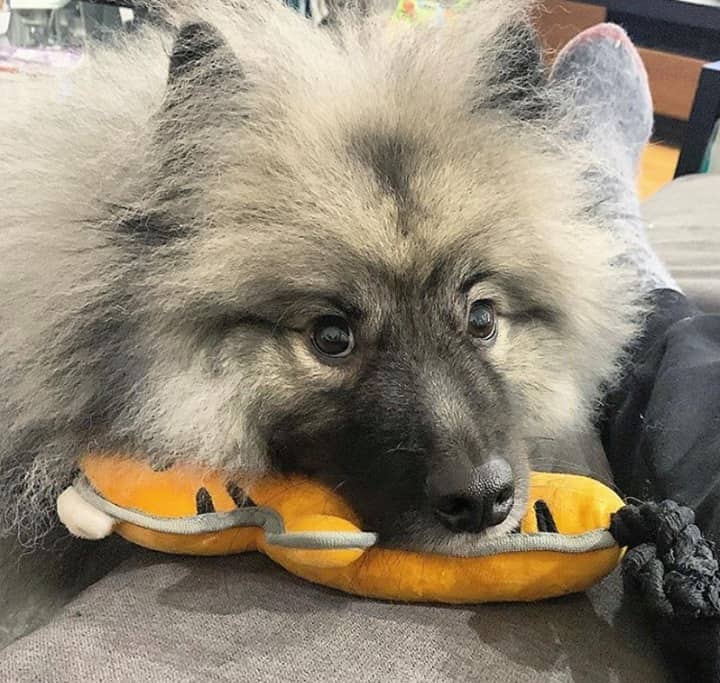
Keeshonden are susceptible to the following major health problems:
- Addison’s Disease (also known as hypoadrenocorticism) is a serious condition due to insufficient adrenal hormones. It can cause poor appetite, vomiting, and lethargy. Commonly misdiagnosed due to its vague symptoms, it is best to keep an eye out for any of these symptoms, especially if they worsen during stressful times.
- Hip Dysplasia is a hereditary condition that can cause your dog pain and lameness in their back legs. But some dogs exhibit no signs. An X-ray can diagnose this condition, but dogs with Hip Dysplasia are usually not used for breeding, so be sure to ask your breeder for confirmation.
- Epilepsy is a neurological condition that can be inherited. Canine epilepsy results in seizures shown as unusual behavior like running, staggering, hiding, or falling. It can even lead to a loss of consciousness. Proper treatment can help manage this condition.
- Diabetes Mellitus is a disorder where the body struggles to regulate blood sugar levels. Symptoms include excessive thirst and urination, increased appetite, and weight loss. A controlled diet and insulin can help manage diabetes.
- Von Willebrand Disease (VWD) is a blood disease that affects clotting. Dogs affected with VWD are prone to nosebleeds and bleeding gums. They also have prolonged bleeding after surgery, whelping, or during heat cycles. With the right care, you and your dog can manage this disease.
- Progressive Retinal Atrophy (PRA) is a family of eye diseases that can cause gradual deterioration of the retina. It can cause night-blindness and later, even loss of sight during the day. Dogs can adapt to their limited sight as long as they are in a familiar environment.
- Cataracts are another eye problem that causes opacity on the lens of the eye resulting in poor vision. It gives the eyes a cloudy appearance. It occurs in older dogs and can sometimes be surgically removed.
- Hypothyroidism is a thyroid gland disorder that can lead to epilepsy, alopecia, obesity, hyperpigmentation, pyoderma, lethargy, and skin conditions. Hypothyroidism is treatable with medication and diet.
- As with humans, many dogs experience allergies. They can be allergic to specific foods, smell, or a topical substance like shampoos and detergents. Diet, medication, and lifestyle changes can help with allergies.
- Patellar Luxation or slipped stifles are common among small dogs. It happens when the knee joint slides in and out of place, causing your dog pain. The severity of it depends on the individual dog, but it can be crippling.
- Primary Hyperparathyroidism happens in older dogs. Caused by an overproduction of parathyroid hormone by the parathyroid glands in the neck, this hormone can increase calcium levels in the blood.
- Tetralogy of Fallot is a rare kind of congenital disability caused by four heart defects: pulmonic stenosis, ventricular septal defect, right ventricular hypertrophy, and an overriding aorta. It can cause stunted growth, inability to exercise, and seizures.
Other health problems to keep in mind are elbow dysplasia, renal cortical hypoplasia, mitral valve insufficiency, and skin and coat problems.
Keeshond dogs have an average lifespan of around 12-15 years. They usually die from bone cancer like Osteosarcoma.
How much do Keeshond puppies cost?
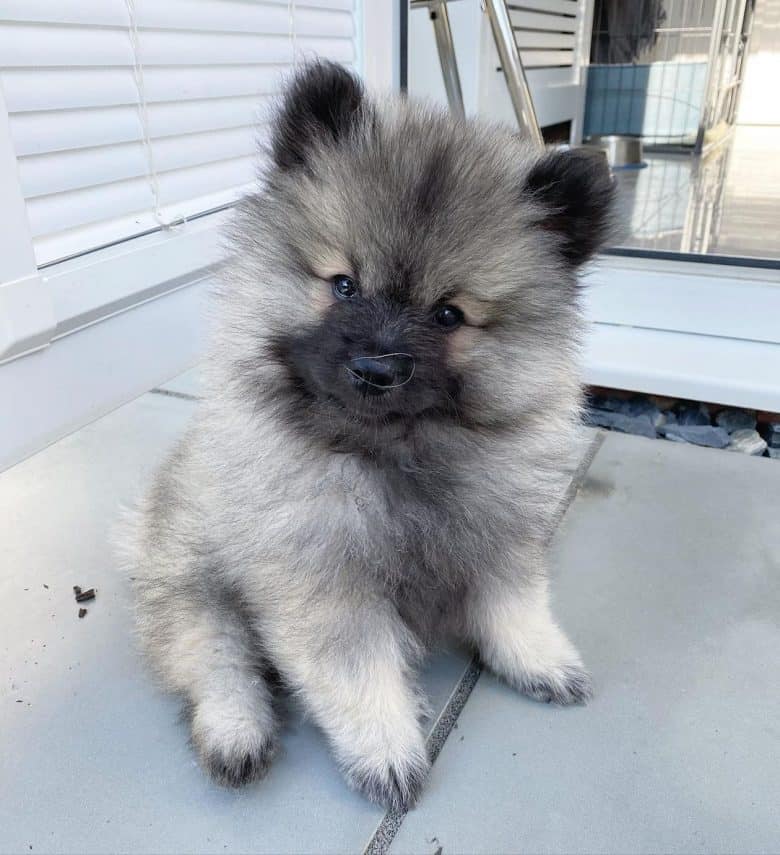
A Keeshond litter can range from anywhere between three and eight puppies. Keeshonds can be expensive. A purebred Keeshond price is around $800 – $1000.
For a top-quality Keeshond puppy, you might have to fork out about $5000.
After the initial cost, a Keeshond will cost you around $1500 a year. The expenses include food, grooming, routine vet visits, as well as toys and treats.
Before you adopt a Keeshond, be sure to select a reputable breeder.
Also, check that they’ve done the following tests recommended by The Keeshond Club of America, which includes hip, elbow, patella, and ophthalmologist evaluations.
Find a breeder
When choosing a breeder, look for a reputable Keeshond breeder that the AKC and the Keeshond Club of America recognize.
Avoid pet stores and puppy farms when looking for your new furry family member, especially if you want a purebred free of common health issues.
You can find a breeder directory of Keeshond breeders in the United States on the Keeshond Club of America’s website. You can also find Keeshond puppies for sale on the AKC Marketplace.
They list 100% AKC puppies from AKC-Registered litters and breeders. These puppies are cared for and raised according to AKC rules and regulations.
Keeshond puppy and dog rescue
If you’re looking for a Keeshond puppy or an adult dog, there are plenty of Keeshond rescue dogs searching for their forever home.
You can find a list of Keeshond rescues or shelters where you can adopt on the Keeshond Club of America’s website. You can also try the following organizations:
- Florida Keeshond Rescue (Jacksonville, FL)
- Bay Area Rescue Keeshonden, Inc. (Grass Valley, CA)
If you’re mostly on Facebook, check out Heritage Trail Keeshond Club’s page.
The Keeshond VS the Rough Collie
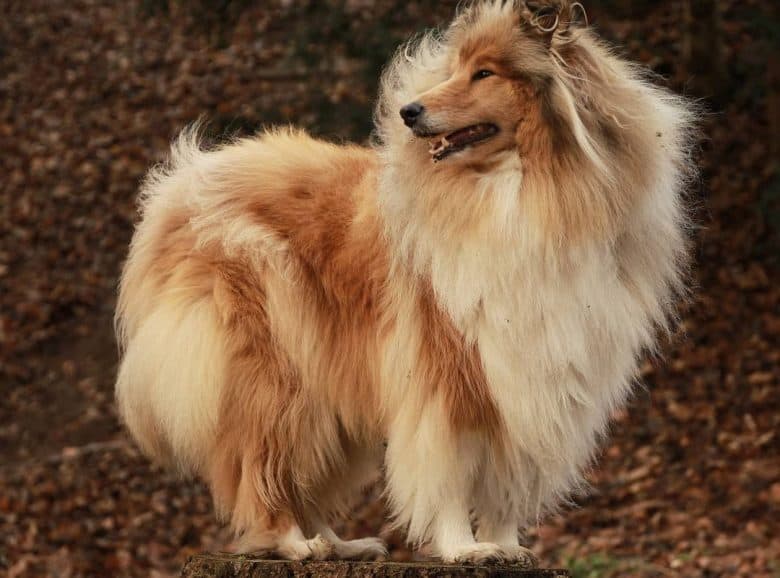
Both the Keeshond and the Rough Collie dog breeds are purebreds with majestic coats that heavily shed. They are both smart, playful, and easy to train.
They love human contact, are super affectionate, and don’t like being on their own. They are both very social dogs.
The Keeshond and the Rough Collie make excellent guard dogs, although the Keeshond is a lot more vocal when defending themselves. But neither are fighting dogs.
They adapt well to new environments, are great with kids, and need a decent amount of exercise.
Their differences lie in their size and purpose. Rough Collies are large dogs that are bigger than the Keeshond. They weigh between 53-70 pounds (24-31 kg) and are around 22-26 inches (55-66 cm) tall.
The AKC recognizes the Keeshond as a non-sporting breed while recognizing the Rough Collie as a herding dog.
Looking for a Keeshond mix?
Mixed breed dogs are adorable and would make for wonderful companions in life. If you are curious about the perfect Keeshond mix, here are a few of the best crossbreed Keeshonds.
The Keeshond Pomeranian Mix
This designer dog contains the best of each breed. This cute Pom-Kee is a larger version of the Pomeranian and loves children. They get along with other animals but may chase the cat around the garden.
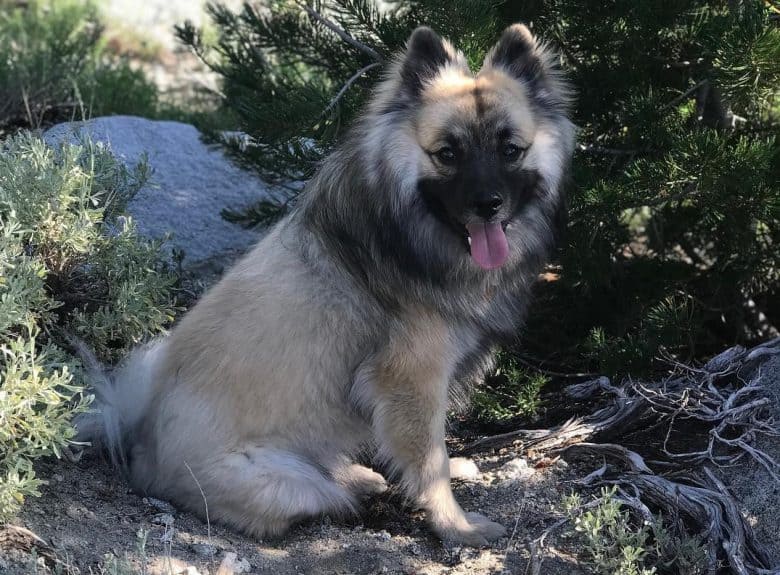
The Keeshond Husky Mix
A cross between the Dutch Barge Dog and the Siberian Husky, this breed is quite rare and comes in a variety of colors. This medium-sized breed is affectionate, energetic, and makes for great watchdogs.
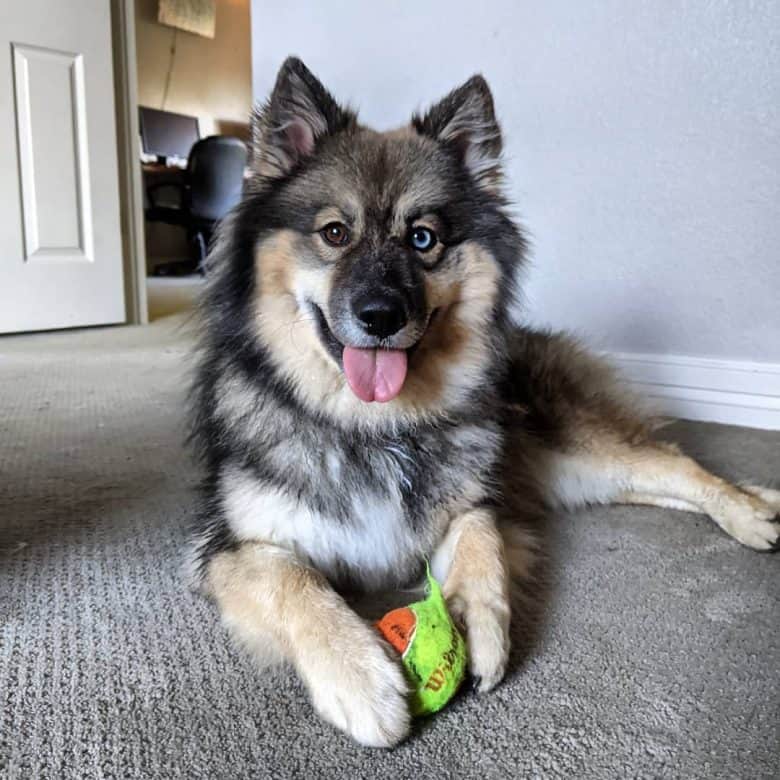
The Keeshond German Shepherd Mix
It’s rare to see the Keeshond and German Shepherd mix, but these crossbred dogs are loving and loyal with their plush and stunning coats that are sure to melt your heart away.
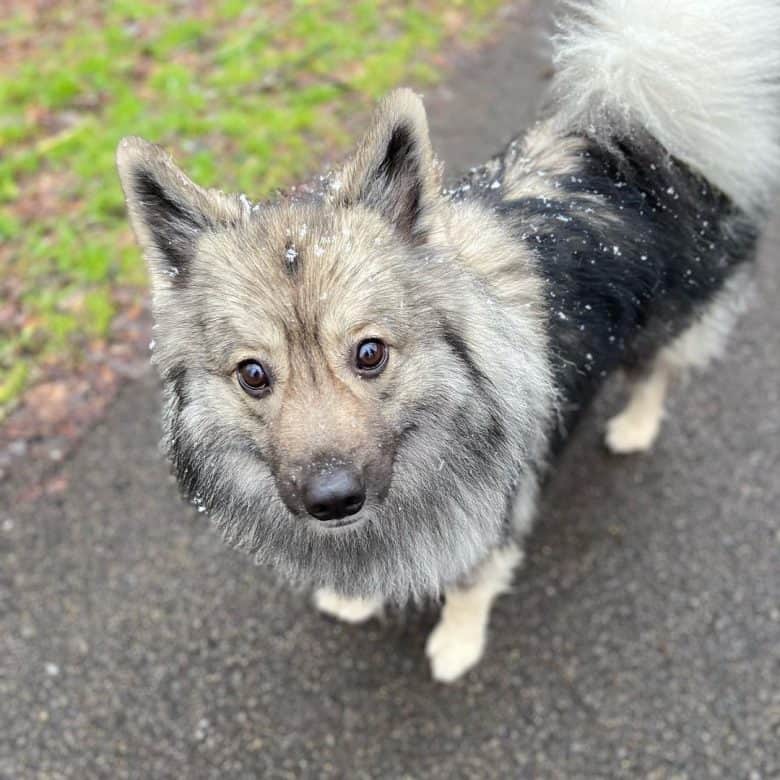
The Keeshond Chow Mix
A combination of the Keeshond and the Chow-Chow. They both come from the same ancient origins, but they can be aggressive. This furry dog is a designer dog breed that has a strong personality and loves plenty of affection.
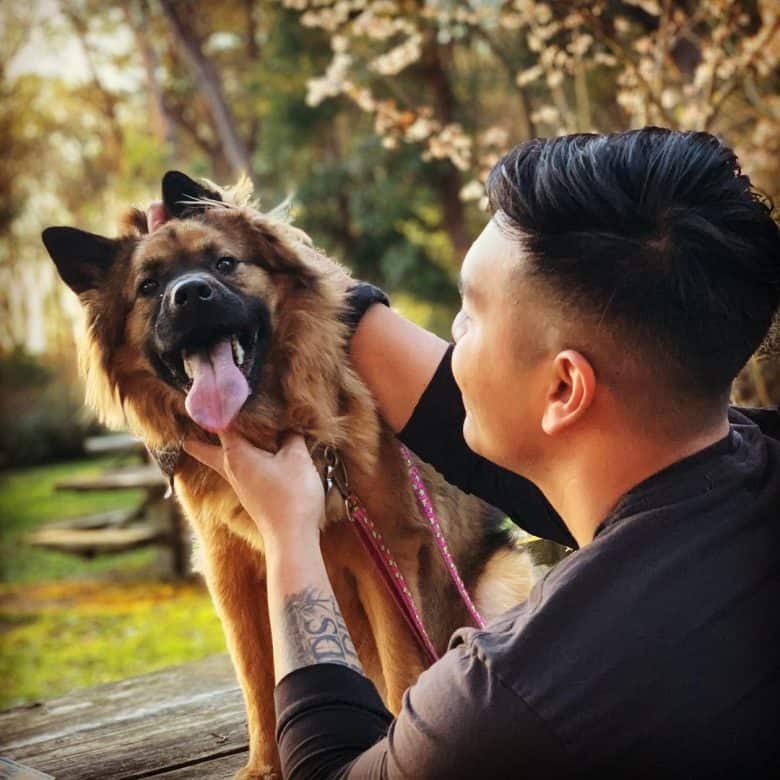
Is a Keeshond the right breed for me?
Keeshonden are lovable family dogs. However, they are not great for first-time dog owners. They demand a lot of attention and do not like to be alone.
If you’ve got a demanding job and are often away from home, the Keeshond is not right for you.
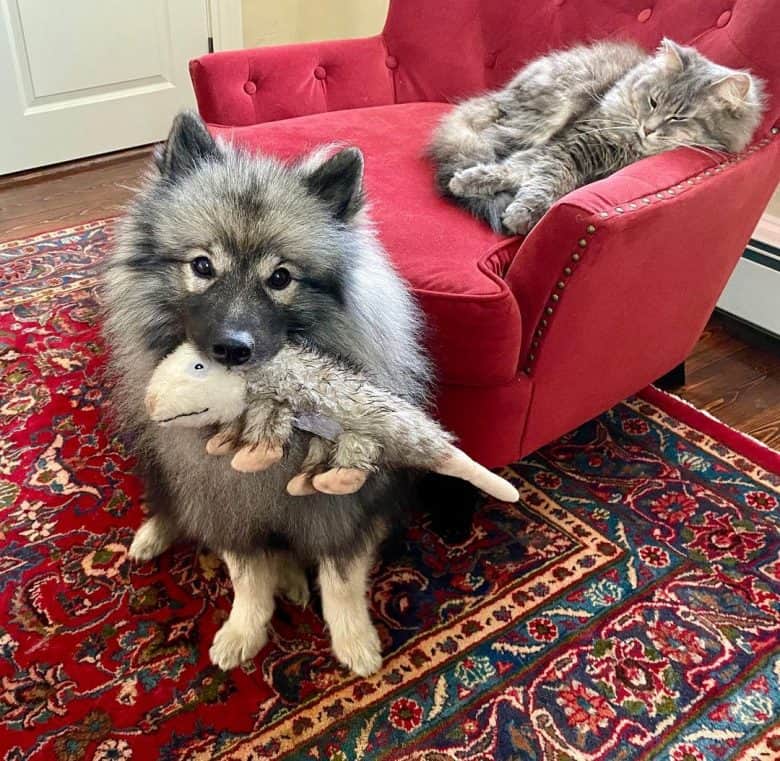
If you’re looking for a fluffy companion to keep you, your other pets, and your kids’ company, the Dutch Barge Dog will keep everyone entertained.
Do you have any experience with the Keeshond? Please share your thoughts with us in a comment.
Other similar breeds to the Keeshond
- German Spitz
- American Eskimo Dog
- Schipperke