Soft Coated Wheaten Terriers

Author

Mike Slepian, slepian@nb.net

Most of this information is gathered from the resources listed below, not from personal experience. There are no guarantees in life and certainly none concerning the accuracy of what follows. OTOH, I've tried to make the information as accurate as possible so please contact me with any corrections or suggestions. I'd like to thank all the Soft Coated Wheaten owners and lovers who reviewed this FAQ, as well as Cindy Moore -- pet-lover extraordinaire.

Copyright 1995 by Mike Slepian (last updated September 1999). Single copies may be downloaded and printed for individual use only. NOTE: Soft Coated Wheaten Rescue organizations may freely give a copy with each dog they place.


Table of Contents


General Description

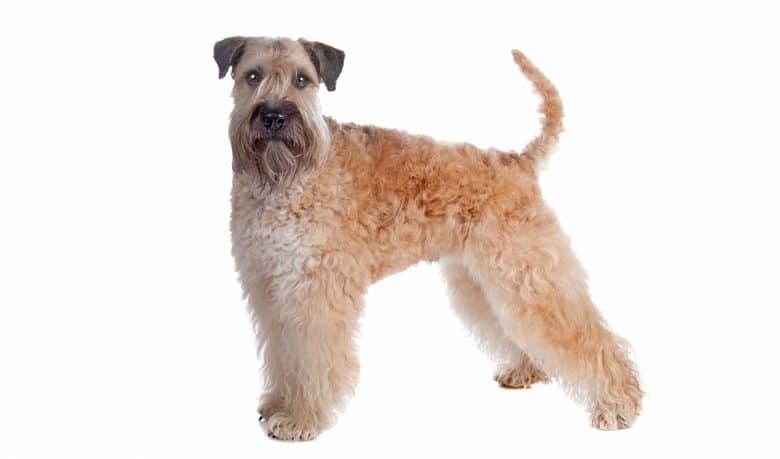
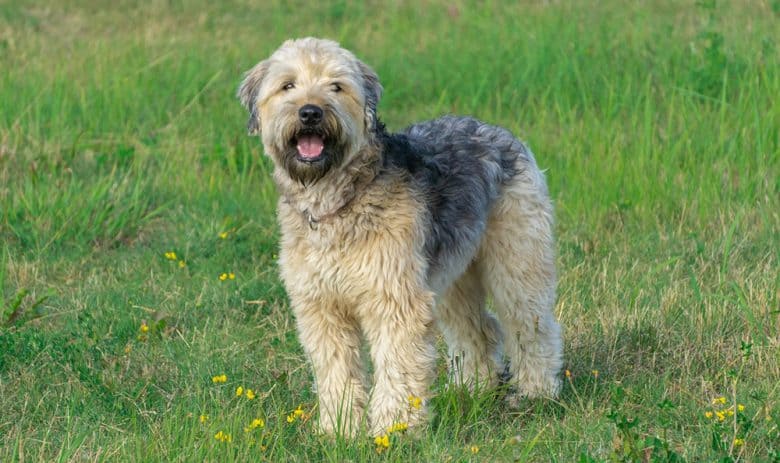
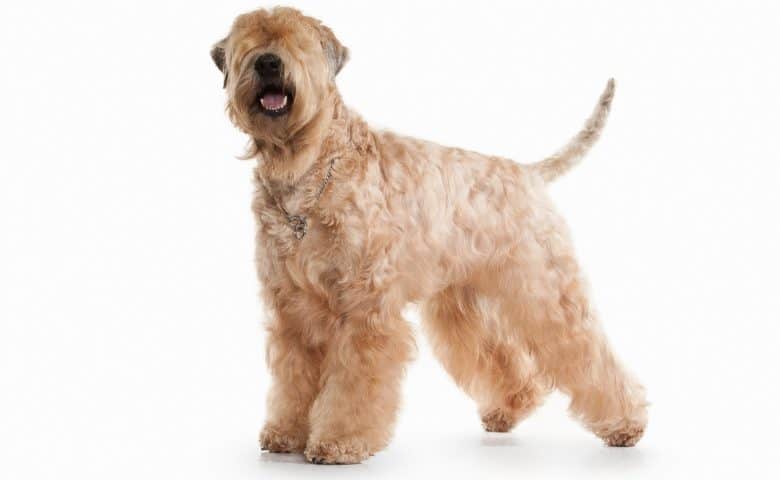
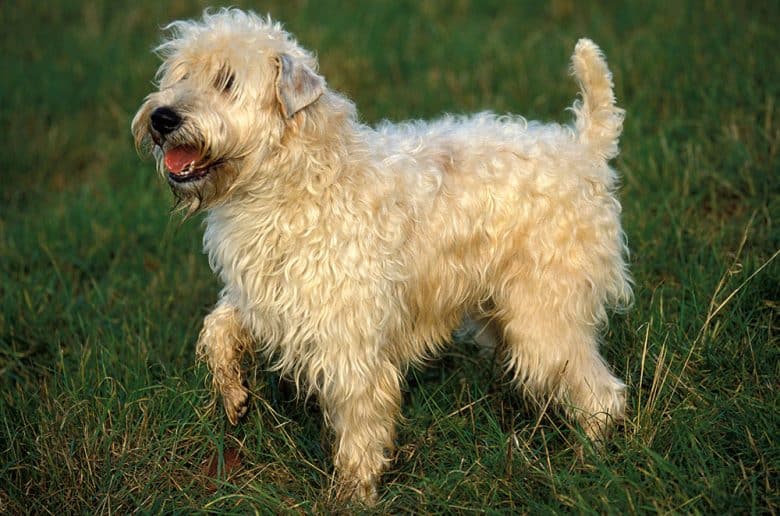
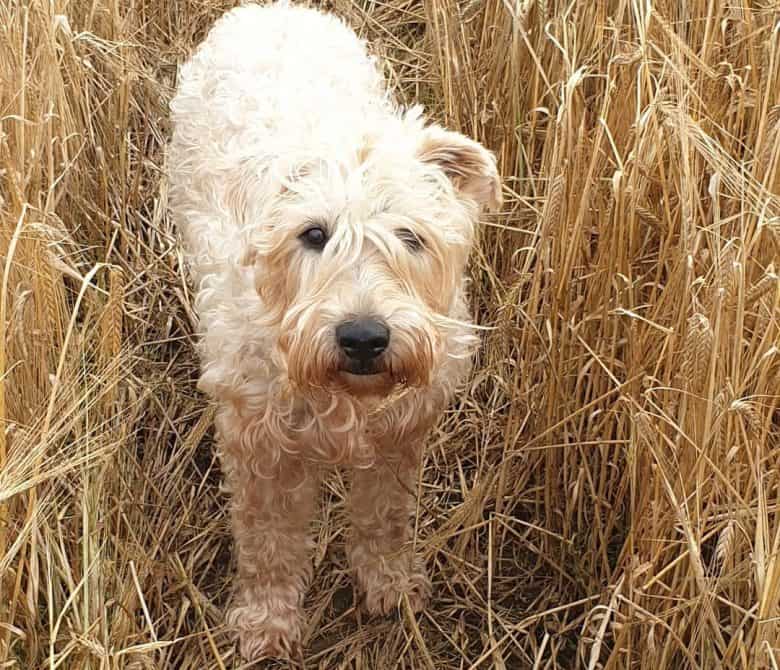
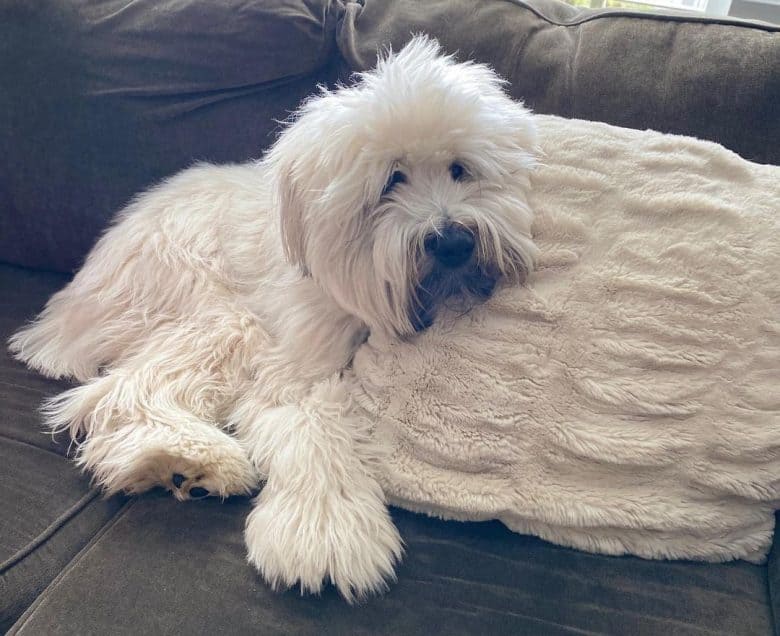
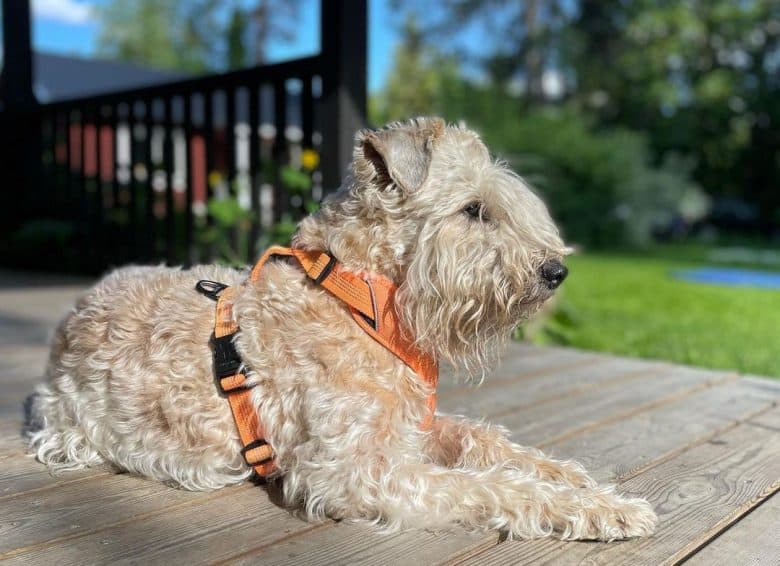
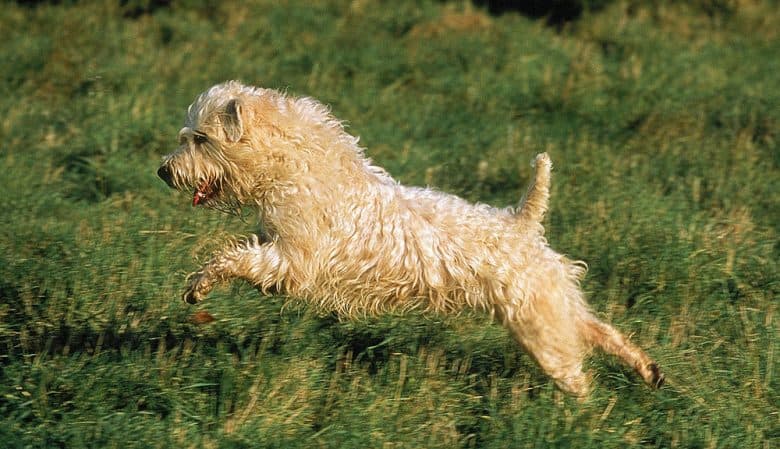
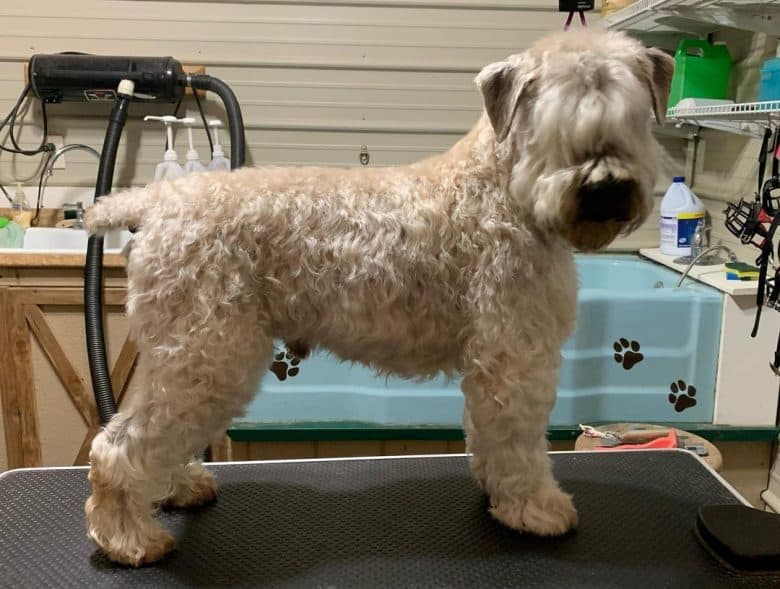
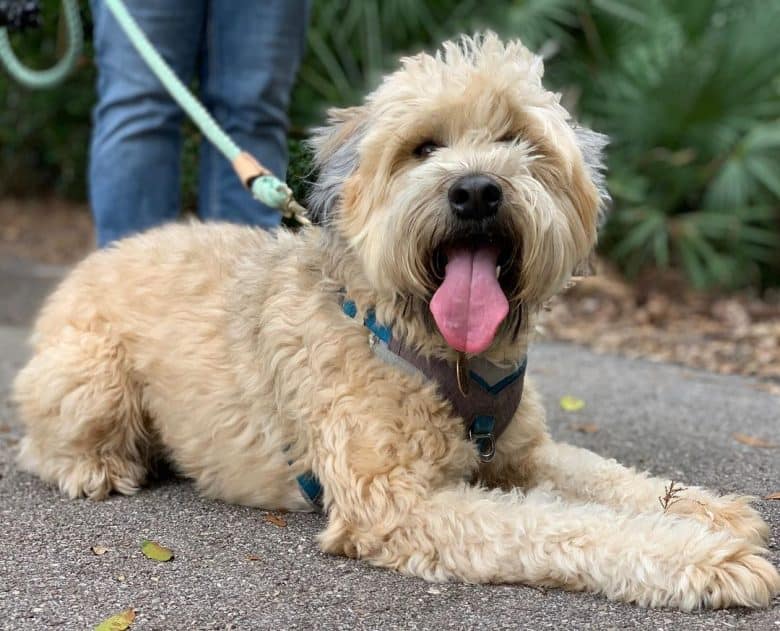
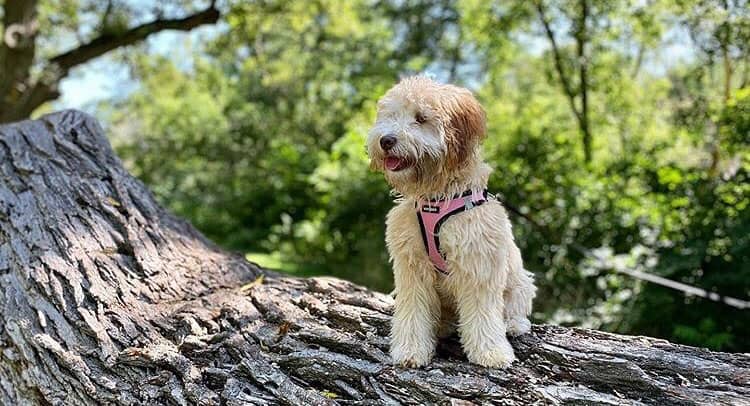
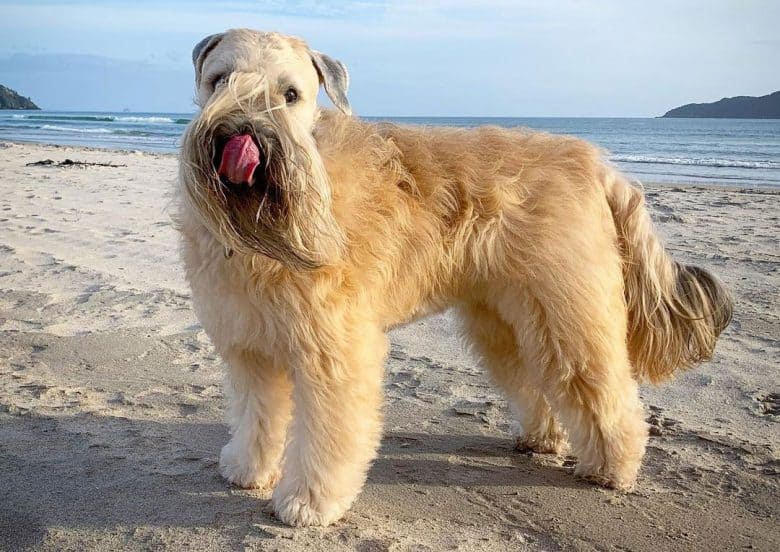
The Soft Coated Wheaten Terrier (SCWT) is, as the name implies, a wheaten-colored terrier with a soft (open) coat. It is a shaggy blond dog of medium size that does not shed. It is, however, much more than the previous two simple sentences can convey. This breed truly offers something for everyone. Anyone who has seen a well-groomed SCWT will acknowledge the beauty of its coat -- abundant, medium long and falling in waves that range from shimmering reddish gold to a gold so light it is nearly silver and which ripples and shines with the play of the muscles beneath. The breed has the stamina, strength, gameness, joy-of-life, and intelligence (stubbornness?) of its terrier heritage. True to its development as an Irish farm dog, the breed is steadier than most terriers and intensely loyal to its human family. It is a dog that has not been overly refined; it retains the air of a country gentlemen with courage and power balanced by intelligence, gaiety, and gentleness.

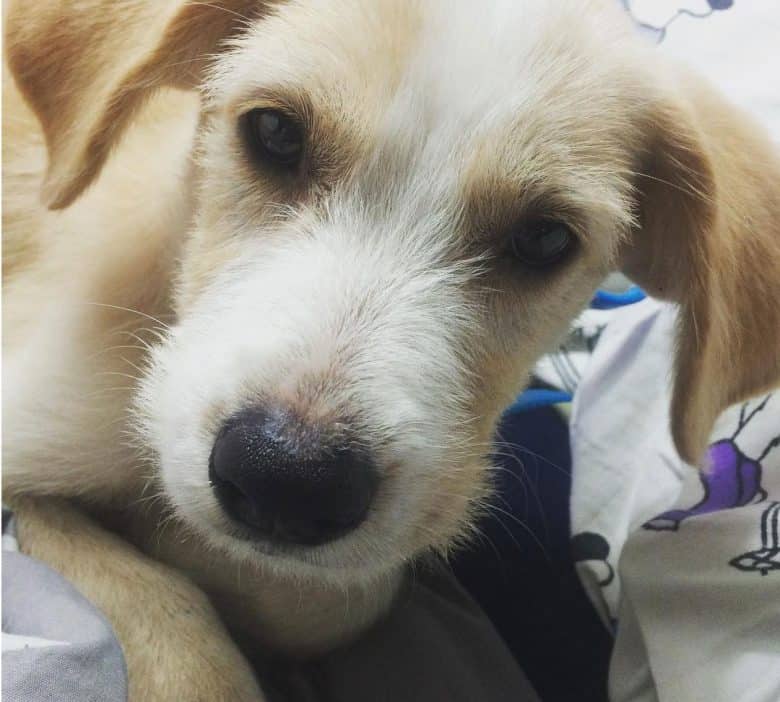
The Wheaten Terrier is distinctive: he has a compact, well-knit body expressive of agile strength and power. His average height is 18.5 inches and he usually weighs from 30 to 45 pounds (bitches about 10% smaller). Wheatens have a deep chest and well-sprung ribs. They have straight forelegs and powerful hind legs, bent at the stifles with hocks well let down. The tail is customarily docked to a length of 3-5 inches. The ears are smallish, set at the topskull level, carried in front and dropped (they may have blue-gray shading). Their eyes are dark reddish brown or brown, slightly almond-shaped, and medium-sized -- yet seem larger due to black coloring of the eyerims. The eyes gaze at you from beneath a curtain of bangs which naturally fall forward over the eyes to shade and protect them. The muzzle is relatively short for a terrier with a definite stop and crowned by a large black nose.

Return to Table of Contents


History

The origins of the Soft Coated Wheaten Terrier are a bit misty, but the breed is thought to date back over 200 years. With the historical Irish emphasis on oral traditions over written ones, it is not too surprising that the history of terriers belonging to farmers and the poorer folk is not well documented. References place long-legged terriers with open coats and wheaten color in the areas around Cork and Wicklow (southern Ireland) as well as around Ballymena (northern Ireland). These were general purpose farmers' dogs -- a hard life requiring solid, intelligent dogs with enough size to enforce authority, but not so large that upkeep was expensive. He was the enemy of all vermin, would guard the family larder, could herd sheep and cattle and would patrol the boundaries of the small farms to warn off trespassers. He could also be used as a hunting dog and was capable of tracking otter and badgers, taking them both on land and water. Some old-timers referred to him as "... the best dog ever for poaching." In short, he was a strong, medium sized dog of great intelligence and versatility.

The modern history of the breed is closely related to that of Ireland's other two breeds of long legged terriers, the Irish and Kerry Blue Terriers (IT and KBT respectively). Native wheaten terriers are thought to be important in the origin of both breeds. Indeed, an origin legend of the KBT has a blue dog swimming ashore after a shipwreck and breeding with existing wheaten colored terriers to begin the breed (the wrecked ship was either from the Spanish Armada, a Russian fisherman, or a Portuguese fishermen -- take your pick). Irish terriers were first shown as a distinct class at dog shows in Dublin in the 1870's. A reporter of an 1876 show stated about Irish Terriers that "Prizes had gone to long legs, short legs, hard coats, soft coats, thick skulls, long thin skulls, and some prize winners were mongrels." The first standard for Irish Terriers was not drawn up until 1880. At that time terriers of the same general size, but with open or soft coats were still often benched with the Irish Terriers. Included in these soft coated varieties were dogs with silver, gray, blue, and wheaten colors. The KBT was separated out as a distinct breed during the time period between 1914 and 1922 and actually the breed's early popularity centered in England where the modern style of trimming Kerries was developed and the breed was refined. Interestingly enough, the Kerry Blue is still shown untrimmed in Ireland where it is called the Irish Blue Terrier.

The Wheaten did not prick the interest of dog fanciers as early as did its two close cousins. As times changed during the early part of this century and travel improved, the number of pure specimens declined and the breed almost vanished. The turning point for the breed was a terrier field trial in 1932 where a Wheaten terrier performed exceptionally well. Patrick Blake, a noted fancier of Kerry Blues, was very impressed and he became convinced that the breed should be rescued from obscurity/extinction. He prevailed upon his friend Dr. G. J. Pierse to start a club for the breed and sponsor it for recognition by the Irish Kennel Club. Good specimens of the breed were still to be found and the breed began to prosper. Recognition by the Irish Kennel Club was achieved in 1937 and they were first officially presented at an Irish Kennel Club show in Dublin on St. Patrick's Day. At that time a certificate of gameness was required to achieve a conformation championship. One controversy at the time the breed was recognized was what name to give the breed. The first thought was to use Irish Wheaten Terrier. This suggestion was vehemently opposed by two already-recognized Irish breeds -- Irish Terrier and Glen of Imaal Terrier (GofIT is a short legged terrier named for the area where it was developed). Both of these breeds included wheaten as an acceptable color. At the time, the wheaten color was actually preferred for ITs. The IT standard no longer includes wheaten, but the color is still part of the GofIT standard (GofIT's are recognized by the IKC, the KC(GB), the FCI, but not by the AKC). Since both the IT and GofIT have hard coats, the rather mouth-filling name of Soft-Coated Wheaten Terrier was reached as a compromise (the hyphen was officially dropped in the US in 1989).

The first record of Soft Coated Wheaten Terriers being imported into the US was by Lydia Vogel who imported a breeding pair in November of 1947. Although she successfully showed her dogs in AKC shows under the Miscellaneous Class, there were not enough dogs or interest to receive AKC recognition. Ten years later, the O'Connor family of Brooklyn imported a dog from Maureen Holmes, one of the most influential Irish breeders of SCWTs. The O'Connors had become interested in the breed after falling in love with the 'shaggy dog look' shown in a picture of one of the Vogel dogs. The O'Connors began showing their dog and became interested in achieving AKC recognition. They tracked down descendants of the Vogel pair and, with the help of Maureen Holmes, other Irish imports. On March 17 (1962), again a great day for any Irish dog, the Soft Coated Wheaten Terrier Club of America was formed. At the time there were thought to be less than 30 Wheatens in the country. A stud book registry was started in 1965 and by 1968 there were 250 registered SCWTs. The first club matches were held in 1970 and 1971. The AKC admitted the Soft Coated Wheaten Terrier to the Terrier Group on March 13, 1973. Popularity has continued to grow and by the early '90s the breed was the seventh most popular terrier and over 2,000 puppies were registered yearly with the AKC. The breed's rapidly increasing popularity has led to concerns over puppy-mills and careless backyard breeding. Prospective owners should carefully research the origin of puppies as well as the seriousness and qualifications of the breeder.

Return to Table of Contents


Frequently Asked Questions

Is that a blond sheepdog? ... blond schnauzer?, blond kerry blue?
In the unclipped condition there is some surface similarity to a small Old English Sheepdog or Briard, but the dogs are really quite different. With more of a show clip there is a good deal of structural resemblance to the Kerry Blue Terrier since the two breeds are related (see section on breed history). Although this breed is steadily increasing in popularity, it is still a fairly rare breed and will be unfamiliar to most people.
Are they good with children?
Yes, they are generally very good with children and seem to have an instinctive tolerance for children's rough play without showing aggressiveness. They are sturdy dogs and not easily injured. Wheatens are also good with the sick and elderly and have been successful as therapy dogs. Wheaten puppies (up until close to two years old) deserve an extra comment since they, like puppies from most breeds, will do some chewing and biting. Coupled with natural dominance games of puppies, these energetic pups may be a bit much for very young or very passive children. Like all breeds, they need socialization with both humans and other dogs plus training to reach their true potential as companions.

However, they are dogs with the instincts of dogs: children should not be left unattended with any type of dog!

Do Wheatens shed? Are they hypo-allergenic?
All dogs shed, but the Wheaten is a single-coated dog and generally sheds very little. They do not seasonally "blow" coat as do many other breeds, but they do need regular brushing to remove dead hairs and prevent matting.

Wheatens often appear on lists of dogs which are good for people with allergies because of their non-shedding coat. However, many allergies result from exposure to dog's dander, saliva, or natural oils rather than hair and Wheatens produce all of these. Each person's allergies are different so a person who suffers from allergies should visit a breeder and spend some time with the dogs at close quarters. If no reaction results, Wheatens may be a good choice.

Does this breed require lots of grooming?
In a word, yes! Wheatens need about as much grooming as poodles. They require regular brushing, several times a week to prevent matting (daily is better). In addition, they may need to be trimmed or tidied up four to six times a year. Show dogs should be professionally groomed, but a pet owner can learn the techniques if one wants to invest in the thinning shears and clippers (and time).

The fur should not be continually clipped short to avoid grooming responsibilities since the dog's coat does serve some useful purposes, notably protection and insulation. The coat protects the dog from cold weather and moisture as well as from incidental contact with bushes, branches, and plants. It is thought that having the fur cover the eyes shades them from the sun like a golfer's hat. Clipping the fur too short, too often, will cause a change in the coat's texture and it will lose its silky shine.

What about exercise requirements?
The Wheaten is an active breed, and requires regular exercise. A fenced yard where they can run is ideal. Daily walks should also be provided. Any dogs without enough exercise will find other, more destructive, outlets for their energy.
Is this a good breed for first time dog owners?
In a word, maybe! These are delightful dogs, good with families, and very adaptable. On the other hand they require a good deal of effort and commitment from the owner, perhaps more than most breeds. Between the need for exercise, socialization, and grooming; a commitment for many hours of attention a week may be needed for the next 15 years. Many responsible terrier breeders are reluctant to place dogs with first time dog owners.

Dog ownership, in general, should not be entered into lightly and this breed is no exception.

Are they good with other pets?
Wheatens are probably the most social breed of terriers. They display little dog-dog aggressiveness and are less territorial as well. They will get along with other household pets, especially if the introductions and adjustments take place while the dog is young.
Are they indoor or outdoor dogs?
Although they were originally developed as farm dogs, they do best when housed indoors and treated as one of the family. These are people dogs and will always want to be where the family is. They will not do as well in outside kenneling situations and most breeders recommend that they sleep indoors, in the owner's bedroom.
Can they live in the city?
They make fine dogs for apartment dwellers as long as their exercise requirements are met (more walking when there's no yard). Their size is convenient, they are exceptionally sociable, and do not disturb neighbors with barking. An article in "New York" magazine in 1969? billed the Wheaten as "the perfect apartment dog" while a "New Yorker" Talk of the Town piece from November 8, 1982 discussed meeting a Wheaten on Broadway.
Are these dogs good in cold weather? in hot weather?
Wheatens are good in cooler climates and are popular in such northern countries as Canada, Sweden, Norway, and Finland. Normal cold weather care should be taken, including regular inspection of pads for iceballs. As mentioned above, they are mostly indoor dogs and most of them enjoy excursions into cold and snowy weather.

They do not do as well in hot weather and may be noticeably less active. They should always be given access to both shade (if outdoors) and water and strenuous exercise should be avoided. Indoors, they may prefer to lie on cool tiles or linoleum, sometimes in bathrooms. Trimming the coat slightly shorter is OK, but not so much that the sun can reach the skin.

Do they make good obedience dogs?
The Wheaten is very intelligent and a number of dogs have received advanced obedience degrees, but they can be stubborn and independent. The Wheaten, like most terriers, was bred to work independently of human direction. If a dog is nose to nose with a badger, it cannot take the time to ask "may I attack now, please, or would you prefer me to wait?" Thus, obedience as a formal task is rather foreign to the breed, but their loyalty and eagerness to please will usually compensate. They are surprisingly sensitive and respond best to positive training techniques and many people have had good success with clicker training.

All dogs should learn basic good manners and certain general behaviors, such as coming when called and walking on a lead. Puppy kindergarten training is wonderful socialization for a young dog to learn, to avoid dog-aggressiveness later in life. It should be followed by a basic obedience course. A new certificate/program of the AKC which emphasizes good manners is the Canine Good Citizen award.

Wheatens can also perform in competitive obedience such as that sponsored by the AKC (most national kennel clubs sponsor some sort of obedience competitions). Some 20-40 different Wheatens have competed in AKC trials for each of the last five years.

What other activities are there for Wheatens?
Wheatens are intelligent, athletic dogs that can enjoy many activities with their owners including hiking and camping. They also can compete in more organized activities such as agility and flyball where at least two Wheatens have obtained pins as 'Flyball Masters'. Because of their background as general purpose dogs, Wheatens are not considered specialists and are not permitted in the more specialized AKC activities such as sanctioned field, herding, or earthdog trials. In some cases they may be able to compete in non-sanctioned fun matches or in events sponsored by other organizations. They can compete in tracking trials as these trials are considered part of obedience trials.

Each year the SCWT of Northern California sponsors a herding clinic and instinct test near Sacramento. About 80% of the dogs usually pass the test. A number of dogs have an HCT (herding capabilty tested) title with the American Herding Breeds Assoc. and several others have their first leg.

Do Wheatens bark?/Are they good watchdogs?
They are not, as a rule, given to barking, but they are alert to their surroundings and generally will announce visitors. Usually when a Wheaten barks, it is best to investigate. They are not particularly territorial, but they are very loyal to their family. Their size and loyalty will make them good for personal protection, but they are much too sociable to be a guard dog.
Are they all the same color?
They are all wheaten in color as the name implies. Wheaten, however encompasses a range from almost silver to a reddish gold. Wheatens often have blue-gray shading on their ears and beards -- reminding us of their link to the Kerry Blue Terrier.
Why don't the puppies look more like the dogs?
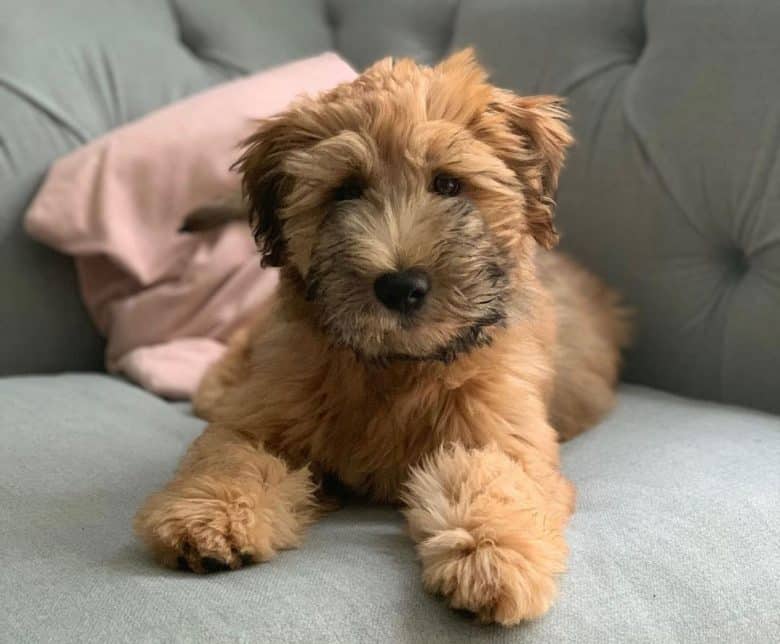
There is more variation among puppies in Wheatens (even within a single litter) than is common for single colored breeds that breed true to type. Puppies can have flat or fluffy coats, hard or soft coats, and can be light in color or dark. They can also have black tipping, black muzzles, or white blazes on their chests. The adult coat texture and color is achieved through gradual changes and should be set by the time the dog is two years old. Some adolescents will go through a stage where they are much lighter than adult dogs. The standard makes allowances for these coat changes.
What is a Wheaten welcome?
They are well known for their habit of introducing themselves to strangers (and friends) by jumping straight up and licking people on the face or smelling a person's breath. They can be trained not do perform this spectacular welcome, but you must start very early and be very consistent!
What other types of behavior are typical of Wheatens?
The following list of Wheatie characteristics is taken from responses of Wheaten owners to Wheaten-L, a mailing list for Wheaten lovers. Not all Wheatens will display all of these traits, but don't be surprised if a Wheaten demonstrates any of them. Also, they are not all unique to Wheatens.
How are Wheatens different from their cousins, the Kerry Blue Terriers?
Many people have narrowed down their selection of their next dog to either a Wheaten or a Kerry. Here is an opinion on how they are different. This list was compiled from comments by both Kerry and Wheaten owners. While there are some differences, the differences are small. Many of the differences can be compensated for by selecting the appropriate breeding lines.

More information on Kerry Blue Terriers can be found at the Kerry Blue Terrier FAQ written by Daryl Enstone. Another good reference for Kerry Blues is the Kerry Blue site maintained by John Van den Bergh.

Return to Table of Contents

The Standard

The standard of the breed describes the ideal Soft Coated Wheaten Terrier, and no one dog lives up perfectly in every regard. In general, an SCWT should resemble the standard as closely as possible. The closer to perfect, the more likely the dog is to earn a championship. A dog can still have major faults and be a good SCWT, but should not be used for breeding. Being a good pet is nothing to be ashamed of, rather the opposite! With the pet overpopulation problem in this country, only the very best representatives of any breed should reproduce. This is not just in conformation terms, of course, but temperamentally and medically as well.

At the present time there are four standards for the Wheaten; American Kennel Club (AKC), Canadian Kennel Club (CKC), Kennel Club of Great Britain (KCGB), and the Irish Kennel Club (IKC). Because the breed was developed in Ireland, the standard from the IKC is used by the Federation of Cynologique Internationale (FCI), the international collection of kennel clubs. The four standards are very similar to each other, but there are subtle differences. When added to the variation of judges' interepretations and preferences, the differences in standards may lead to considerable variations in Wheatens around the world. The different standards are briefly discussed below and for more information contact the FAQ's author.

AKC Standard for the Soft Coated Wheaten Terrier

Because of copyright concerns over the collection of all the Standards at any single site storing all the faqs, AKC Standards are not typically included in the Breed faqs. The reader is referred to the publications in the resource section of this document or to the National Breed Club for a copy of the AKC Standard. Several sections from the AKC standard are summarized in the following paragraphs.

General Appearance/Size

Wheatens are medium-sized, hardy, well-balanced terriers with a square outline. They are noted for their soft, silky coat of wheaten color which falls in gentle waves and their steady disposition. They should be happy, alert, well-conditioned animals that show moderation is structure and temperament. Any exaggerations should be avoided. The dogs should be 18-19 inches at the withers and weigh in at 35-40 pounds. Bitches should be about one inch shorter and five pounds lighter.

Head

The head is rectangular in shape, well-balanced and in proportion to the rest of the body. It should be moderately long with neither coarseness nor snippiness. The top of the skull should be flat between the ears and there should be a definite stop. The skull and foreface should be of equal length. Ears are smallish to medium and break even with the top of the skull. They lie alongside the cheek and point to the ground. The nose is black and large for the size of dog. The eyes are slightly almond-shaped and set fairly wide apart. They should be brown or dark reddish-brown with black rims. The teeth are large and white and should meet in a level or s cissors bite and be surrounded by tight black lips.

Body/Legs

The body is compact and relatively short-coupled with height (to the withers) being equal to the length (from the chest). The back is strong and level with a medium-length neck. The neck is clean and strong, but not throaty and widens as it joins to the body. The ribs are well sprung, but not barrel or slab shaped. The chest is deep. The tail is docked and set fairly high. It is carried erect, but not over the back. The legs are well developed and well knit. The forelegs are straight and well-boned while the hindlegs have well bent stifles and hocks that are well let down and parallel. All four feet should have be round and compact with dark nails and black pads. There should be no dewclaws.

Coat

The coat of the Soft Coated Wheaten Terrier is one characteristic which sets it apart from other breeds. It is a single coat that abundantly covers the entire body including the legs and head. On the head it falls forward to cover the eyes. The texture of the coat is soft and silky and on the mature dog will have a slight wave (the wave will be missing in puppies and adolescents). The correct color is any shade of wheaten except on the muzzle and ears where some blue-grey shading is allowed. Occasional guard hairs of red, white, or black may be seen.

The colors for puppies and adolescents are different. Puppies may be darker and even have black tipping. As the puppies go through adolescence, they will lighten considerably in color and may become nearly white (although white is not acceptable). They will then darken again before two years of age by which time they must acquire the proper wheaten color.

Presentation/Temperament

When shown, the Wheaten is trimmed to show a terrier outline without exaggerated stylization. The head should be blended to give a rectangular look with the be ard balancing the fall. Eyes should only be indicated, not exposed. The coat is thinned, not clipped or plucked, and should be long enough to flow when the dog is in motion. The motion should be free and graceful with good front reach and strong rear drive. Feet should turn neither in nor out and the tail should be carried erect.

The Wheaten terrier is happy dog and should show himself with gaiety and self-confidence. He should be alert to what goes on around him yet maintain a steady disposition. He is less aggressive than most other terriers yet will acquit himself admirably when given the chance to face off and spar.


Standards in Other Countries

The FCI standard is the same as that from Ireland, the breed's country of origin. Essentially it is the same as that of the US, however, it permits the breed to be shown trimmed or untrimmed. For the untrimmed dog it states: The coat at its longest not to exceed five inches. Abundant and soft, wavy and loosely curled. Abundance not to be interpreted as length. Under no circumstances should the coat be "fluffed out" like a Poodle or Old English Sheepdog. Dogs in this condition to be heavily penalized as they give a wrong impression of Type and Breed. In Ireland, the preferred show coat has more intense wave and shine with less profuse leg furnishings than in the US. The coat may also be less full. The backs may be slightly longer and there may be less angluation in the rear assembly.

In England the standard is, again, much the same. The statement for neck does differ where it states: Moderately long, strong, muscular and slightly arched. Without throatiness. Gradually widening toward, and running cleanly into shoulders (emphasis added). The breed is shown untrimmed in England.

In some countries, notably Sweden where the breed is fairly popular, docking of tails is illegal and the breed is shown with its natural tail. The natural tail is carried high, is slightly curved, and reaches about the same level as the top of the head.

Return to Table of Contents


Medical Information

The Wheaten Terrier is a generally healthy dog. They are fairly long-lived for a dog of their size and weight and can often reach their mid-teens. They also retain their puppy-like behavior longer than some breeds: sometimes well over a year. Wheatens can be quite sensitive to medications and dosages may be reduced over conventional practice. As a result, consultation with the owner's vet is recommended.

Because of their long coat, insect bites and allergic reactions are not readily apparent and owners must regularly inspect for them -- particularly in summer. Wheatens paws must be regularly checked. They have fast growing nails and somewhat profuse hair growing between pads. If either is left to grow too long, an abnormal gait can develop. Such a gait can in turn lead to leg damage.

As with all dogs, prospective owners should check with the breeders to see that the breeding dog's hips are inspected and certified against hip dysplasia. Hip dysplasia is less of a concern for Wheatens than for many other dogs of similar size and weight. Eyes should also be certified for Progressive Retinal Atropy (PRA).

There are two more serious concerns that have been identified for SCWTs:

Sensitivity to Anesthesia

Soft Coated Wheaten Terriers are very sensitive to certain anesthetics, particularly those with a barbiturate base. In this regard they are very much like sight hounds. Any procedure requiring an anesthetic should be discussed with the vet to make sure he/she understands this sensitivity. The recommended protocol is the following:

Protein and Kidney Abnormalities

It is suspected that Wheatens suffer from a higher than average incidence of protein wasting diseases and kidney abnormalities. The suspected i ncidence is perhaps up to 15-20% of the breed in the US, but may be lower in other countries which have not imported breeding stock from the US. The incidence may also be much lower in some areas or lines within the US depending on the particular breeder. The average onset of these diseases is 4.5 years of age, and food allergies (particularly wheat glutens) are thought to be involved. There is presently no early test to determine whether a dog will develop a protein-losing disease. Active research is underway to understand the causes, triggers, and genetic component of protein-losing enteropathy (PLE), protein-losing nephropathy (PLN), and Renal Dysplasia (RD). Symposiums on this subject are held periodically in different locations, e.g. Guelph Ontario on April 22, 1995 and at the US National Specialty in King of Prussia, PA on October 4, 1995.

PLE and PLN are both protein-losing diseases, one from the gut (PLE) and one from the kidneys (PLN). Both are thought to have some genetic component and to be auto-immune problems. PLE has a slightly earlier onset (at 4 years) than PLN (at 6 years), but both first appear well after the age that most dogs are bred for the first time. This late appearence of the diseases coupled with the lack of early tests for them make elimination of the diseases quite difficult.

Renal Dysplasia is polycystic kidney disease. There are cysts that form on the kidneys and the kidneys are very small. It affects pups from birth and they usually die before their first birthday. The thinking is that it is inherited, but it isn't known exactly how. Not all pups in the same litter will get it -- some will have disease and die, some may be carriers and never exhibit the disease, and some may be clear and not be carriers or have the disease. A simple dominant/recessive pair does not explain the patterns seen in litters. Wheatens are not the only breed to suffer from this problem, which is also know as Juvenile Renal disease. Susan L. Fleisher has a web article on the subject.

Because of these potential health problems, some breeders recommend that Wheatens be fed a high-quality, low-protein diet that avoids wheat. Also recommended is allowing the dog to urinate frequently to avoid stressing the kidneys.

The US National Club has recently begun an Open Registry for genetic diseases. The Registry is administered by Dr. Meryl Littman of the University of Pennsylvania and is co-sponsored by the Canadian National Club. The purpose of the registry is to collect health and genetic information on Wheatens affected with genetic diseases, particularly PLE, PLN, and RD. Research related to these diseases is being carried out by Dr. Shelly Vaden at North Carolina State University, Dr. Theresa Fossum at Texas A&M University, and Dr. Brian Wilcock at University of Guelph as well as Dr. Littman. Please do not contact these doctors directly: have your vet contact them with any questions

Dr. Vaden's team at NCSU now has a web page that describes their efforts with Wheatens. A good summary of the protein-losing diseases for non-medically oriented people is found at Dana Sumner's site.

The AKC Canine Health Foundation has recently funded a research project submitted by Dr. Vaden to study the mode of inheritance of PLE/PLN in Wheatens. This grant is a matching funds grant so the SCWTCA is looking for contributions. The grant plus matching contributions will providealmost $100,000 for Dr. Vaden's research The major fund raising event for the AKC - Canine Health Foundation Grant will be launched during Montgomery weekend, the site of the US National Specialty (October 3-6, 1996), and will be a silent auction of donated item. In addition, there will be special gifts for contibutions of a certain size. If anyone wishes to contribute now and not wait for Montgomery the SCWTCA certainly will not complain. Checks should be made out to AKC/CHF and one should note on the check memo "For Soft Coated Wheaten Terrier Research Fund". Checks are to be sent to Rosemary Berg, 37953 Center Ridge Rd., No. Ridgeville, OH 44039. (Rosemary is SCWTCA Treasurer) She will log all contributions and forward them to the Canine Health Foundation (this way we will be able to keep track of things). It should be noted that all contributions will be TAX DEDUCTABLE (at least in the USA, I'm not sure it would be so outside the US).

Prospective buyers should talk to the breeder about whether PLE or PLN have shown up in their line. A reputable breeder who truly cares about the breed will honestly answer their questions.

For more information contact the breed's parent club in your country or this FAQ's author.

Return to Table of Contents


Resources

The following books are available and contain information that may help you evaluate whether the wheaten terrier is the breed for you. General books on all dog breeds or all terriers will usually have some information on this breed. Thorough research into the breed is vital before purchase is contemplated. In addition to the books listed below, the US Parent club has several pamphlets on aspects of Wheaten ownership.

The Soft Coated Wheaten Terrier, Coat of Honey - Heart of Gold, Roberta A. Vesley, 1999,
Howell Book House, McMillan Publishing Co., New York, ISBN: 1-58245-017-X (HO-017X)
This book has a very good history of how the modern breed achieved recognition, both in its native Ireland and here in the United States. It is intended for a more general audience than The Complete Soft Coated Wheaten Terrier (1991), the earlier version.

Soft Coated Wheaten Terriers, Margaret A. O'Connor, T.F.H Publications, KW-177, 1990 The first 31 pages in this book are specific to Wheatens while the other 160 pages are general dog information from the publishers. The Wheaten section was written by one of the early fanciers in the US (there is an earlier, out of print, version of this book entitled How to Raise Train a Soft-Coated Wheaten Terrier dating from 1965).

The Softcoated Wheaten Terrier, Maureen Holmes, Racmo, Meppel, 1992, ISBN: 90-9004200-8
Maureen Holmes was an influential Wheaten breeder from Ireland. She arranged the import of the O'Connor dogs to the US and many early US dogs came from her kennels. The Wheaten Years (Alpha Beta Press, Orland Park, Ill., 1977) is an earlier version of this book. Both of the these books are out of print, but can sometimes be found.

Soft Coated Wheaten Terrier, Marjorie C. Shoemaker, ISBN: 0-7938-0790-8 (RX-140) Covers standard, history, description, health, training, and more from an established US breeder of Wheatens.

Soft Coated Wheaten Terriers : A Complete Pet Owner's Manual, Margaret H. Bonham, ISBN: 0764113127, Hardcover (January 2000) This book will soon be available as part of the Barrons educational series. It is being written by an experienced writer on doggy things who has much experience with Northern breeds.

Trimming the Soft Coated Wheaten Terrier, Glenda Wyatt, 1997 Spiral Bound, 22 pp
An illustrated guide to grooming wheatens.

The Complete Dog Book, 18 Ed. American Kennel Club, 1994
The official breed standard (US) along with a limited history is included with similar information on all the AKC recognized breeds.

On-line Resources

Internet information on dogs has proliferated tremendously in the last few years. A few minutes with any of the major search engines will pull up thousands of hits. The links listed below are just a few of the many. Given how rapidly the internet is changing, there is no guarantee that the links below will work when readers try them -- they worked when they were first entered.

The best place to find on-line information about dogs is Cindy Moore's excellent collection of FAQs (from the rec.pets.dogs.* newsgroups), dog web sites, email lists, and more.

The American Kennel Club (AKC) has established an on-line presence including general dog info, breed info and standards, and AKC events.

There are anumber of national breed clubs that now have web sites:

There are now a number of informative sites that are not maintained by organized clubs. These sites include:

WHEATEN-L is an e-mail list devoted exclusive ly to the Soft Coated Wheaten Terrier. The list is currently an "open" list, and anyone is welcome to subscribe. Once you join the list, you must then follow the rules as outlined in the welcome message. The list is owned by Mike Slepian and Kim Bryant and has been in operation since May of 1996. To subscribe send email to listserv@apple.ease.lsoft.com with SUBSCRIBE WHEATEN-L yourfirstname yourlastname in the body of the message (no subject). You will receive a message with instructions for the rest of the subscription process.

TERRIER-L is an e-mail list for the entire terrier group, including Wheatens and all the other terriers. The list is also open and anyone is welcome to subscribe. The list is owned by Daryl Enstone (a Kerry Blue owner) and has been in operation since October of 1994. To subscribe send email to listserv@apple.ease.lsoft.com SUBSCRIBE TERRIER-L yourfirstname yourlastname in the body of the message (no subject). You will receive a message with instructions for the rest of the subscription process.

Return to Table of Contents


Breed Clubs

The Soft Coated Wheaten Terrier Club of America

This club is the breed's parent club for AKC purposes. The club publishes a quarterly magazine with ads, articles, trophy standings and other news of interest to club members. It is called Benchmarks, and is available from the club. In addition, the club puts out a pamphlet for prospective owners, a handbook for new owners, the amplified breed standard, and charts on grooming and puppy colors. The pamphlet is free, but the other items all cost money. They also have a new homepage (see the on-line resources).

Regional Breed Clubs - USA

Canadian Breed Clubs

There are also breed clubs for SCWTs in Europe. Addresses for these clubs can probably be obtained by contacting the SCWTCA at the listing given above and some are shown below. Names and addresses for other clubs can be sent to the author.

Countries where SCWTs are shown include the following:

Return to Table of Contents

Rescue

Local Rescue (USA)

Note that some of the Local Clubs use the same person for rescue as secretary (see club addresses above for contacts)

CANADA

Return to Table of Contents


Breeders

People intending to purchase a puppy are strongly recommended to deal with a responsible breeder as opposed to a pet store, casual backyard breeder, or puppymill. People should question the breeder on health of dam and sire, purposes of the breeding, health guarantees, and sale condition among other items. They should not be suprised at questions from the breeder as well. These questions may include plans for the dog (pet vs showing in conformation, agility, obedience, etc.), size of household (no. and age of children), size and condition of yard (e.g. is it fenced), and the like. Selecting a good breeder is as important as selecting the right breed for your circumstances! There are FAQs on 'getting a dog' (which discusses breeders), 'your new puppy', 'your new dog', and much other general dog and breed information at Cindy Moore's excellent collection of FAQs from rec.pet.dog.*. A suggested list of questions to ask a breeder is also available.

Most national breed clubs maintain a list of responsible breeders which are members in good standing and follow the club's code of ethics. These lists are moderated or refereed by the sponsoring club. In the US, the parent club (SCWTCA ) sponsors such a breeder's referral list. For this type of list, the onus of picking a good, responsible breeder has been undertaken by the breed club.

An unmoderated list of breeders, with a greater geographical scope, has also been compiled. This list makes no attempt to filter out casual breeder s or puppymills. With this list the task of selecting a good, responsible breeder has been left to the prospective owner. For more information regarding this unmoderated list, contact this FAQ's author.

Return to Table of Contents


Soft Coated Wheaten Terrier FAQ
Mike Slepian, slepian@nb.net
Hosted by
K9 WEB buy generic viagra pills online
cheap generic levitra
levitra in india
cheap cialis uk
viagra no prescription
purchase viagra 100 mg online
cheapest place to buy cialis online
the best levitra online pharmacy
cialis prescription online
ordering levitra
lexapro 10 mg
lexapro wholesale
viagra 50 mg online
order viagra canada
buy cheap generic levitra