There’s a saying that a house is not a home until you get a dog, but that shouldn’t be the only reason for getting a dog.
Dogs aren’t accessories or toys. They’re living companions that require a lot of commitment, time, and effort.

This article will help you decide if you’re ready for a dog by highlighting the key factors you need to take into consideration before buying one.
Things to consider before deciding on a dog
Reading this article means that you’re on your way to being an excellent doggie pawrent. Too many people give in to impulse buys and puppy dog eyes.
Bringing home a furkid without any preparations can be overwhelming. We know how tempting it is, but here are a few questions you need to ask yourself.
Why do I want a dog?

If your answer isn’t because you want to love and provide for an animal in need, you might want to reconsider. Dogs are demanding and will take up lots of your time and money.
You should never get a dog for someone else unless they are experienced dog owners who have insinuated that they want a dog.
If you’re getting a dog because of nagging kids or because you feel like it’s the “next step in life” are not ideal reasons. You should think about all the reasons why you want a dog and list down your expectations.
You might want a dog for hunting purposes or as a hiking companion, but don’t forget that they don’t stop needing you when their job is done.
Sure, dogs provide comfort and companionship to all, but it comes at a price. You need to foster your relationship with your dog and offer them more than just a roof over their heads.
You can’t get a puppy and expect him to train himself or learn how to behave. He will need your guidance on that.
Wanting a dog and actually having one is a big difference. Some people love being around dogs but don’t necessarily make good owners.
You might discover that you’re better off with a bird or a cat instead. A cat is much more low maintenance than a dog because they are easy to potty train and can be left to their own devices. Dogs, not so much.
How do I take care of a dog?

To be a conscientious and responsible dog guardian, you will need to neuter or spay your dog when they come of age and provide them with food, shelter, healthcare, exercise, and training.
On top of that, you will need to procure licensing from the local council and abide by any pet ownership laws in your area, such as getting their identification tag or microchip.
You are your dog’s guardian and have to pick up after him as well as ensuring his good conduct in public and at home.
He should be safe to be around, but if he does hurt someone or someone’s pet, are you willing to bear the consequences?
Is this a good time to get a dog?
Time and timing are critical. You need time to spare as dogs are highly sociable animals. You can’t ignore them just because you’re having a tough time at work or if your newborn baby is keeping you up at night.
That’s where timing comes in. It’s best to get a dog when your life is stable and not when you’re still finding your stride.
If you have a demanding schedule or plan to travel, a dog is not the best addition. They need constant attention, especially during their first year of life, when they learn behaviors that will last a lifetime.
Aside from timing, you also need to look at your financial capabilities. Is your current salary enough for all the expenses that will come with a dog?
You will need to set aside money for dog food, pet accessories such as a dog bed, leash, harness, pet carrier, food and water bowls, a crate, chew toys, id tags, etcetera.
You should also be prepared to replace torn up furniture or ruined carpets. Your furry friend can get up to all kinds of mischief, chewing on electrical cords and eating stuff they are not supposed to be eating.
You’ll need to puppy-proof your home and think about vet visits.
Vet bills can also add up as they need yearly vaccinations, monthly deworming, and treatment if they have any health problems.
If you’re traveling, you’ll need to get a pet boarder to take your dog unless you have someone who can babysit. Some breeds also have to regularly go to the groomer to get their coat clipped, bringing us to the next point.
What kind of dog should I get?

This is a highly personal question in which you should tackle gender, age, and breed. Males and females come with their own set of challenges.
Aside from anatomical differences, they have gender-related behaviors such as marking in males and neediness in females.
Intact dogs are at risk for testicular and mammary cancer. If your bitch gets pregnant, are you ready to take care of the new pups as well as find responsible pet owners for each and every one of them?
Puppies will have higher energy levels than an older dog. They will require more training and will cost more. The price of a puppy from a reputable breeder is much higher than one from a puppy mill.
It is more affordable and rewarding to adopt a rescue dog, but while the adoption fees won’t be exorbitant, the adoption process can be tedious.
If you have a breed in mind, you might find better luck searching for your new canine companion from a breed-specific rescue organization rather than the local animal shelter.
But before you commit to a particular breed, you need to do your research on whether it’s suitable for your lifestyle.
Many decide on a breed purely on appearance or expectations, but looks can be deceiving, leading to disappointment. Some dog breeds require constant grooming.
Others might be too demanding in terms of exercise or attention. Take a few months to discover what breed is suitable for you before making a choice.
What you need to do before getting a dog
Even if you have another dog at home, you need to prepare a whole new set of items for your new pet. Each dog should have their own toys, bedding, and equipment.
Don’t expect that they will become best friends immediately. Some dogs take to their new buddy immediately, while others might require some extra supervision.
If it’s your first dog, you need to understand that bringing home a puppy will be life-changing.
1. Consider the lifetime commitment
Perhaps the first question you should ask yourself upon deciding that you would like a dog is whether your lifestyle permits it.
If you’re a party animal or work long hours, having a dog is not ideal because you won’t have enough time for your new pet.
However, if the entire family supports the idea of having a dog, it could work because they can step in when you step out.
It’s important to get everyone on the same page unless you live alone. Talk to your family about getting a dog. Who will be responsible for what?
While you might be the primary caretaker, you’ll need everyone on board in order to properly train your dog. It would not do to have someone sneaking them snacks or allowing them on the couch behind your back.
Set certain limits that suit your family’s needs. What is the puppy allowed to do? Where will they eat and sleep? All these details should be hammered out prior to bringing your puppy home.
Since it’s a family affair, it’s also worth taking their thoughts and situations into consideration. Does your brother hope to take the dog out jogging with him?
You’ll want an active breed for that. Is your sister allergic? A hypoallergenic breed would be more suited to your family.

Also, if you have children at home, small dogs would be more appropriate than having a giant breed knocking them about.
2. Calculate potential costs
Dogs can be expensive. You can’t expect to fork out $60 on kibble every month and leave it at that. They require grooming, treats, vet care, deworming tablets, vaccinations…
The list goes on! Some dogs might even require medication if they have underlying health issues or allergies.
How about when you go on a vacation? You’ll need to pay for boarding. If you work long hours and there’s no one at home to care for your dog?
You’ll need to pay for daycare. Yes! It’s a thing. Puppy class or obedience class can also cost a pretty penny.
Smaller breeds might require special winter clothing, and large breeds will most likely require hip supplements.
According to the ASPCA, a dog’s annual cost is around $737 for small breeds, $894 for a medium-sized dog, and $1,040 for large dogs.
The actual cost of the dog can be exorbitant, especially if you’re getting a puppy from a champion line. Rescuing a dog from the shelter is a much more affordable option.
But don’t let price be your determining factor. If you’re unwilling to fork out any amount of money for a dog, what will you do when your buddy requires an emergency operation?
3. Do your research before you choose
There’s more to a dog than just aesthetics. You might love how a Husky looks, but they are demanding dogs that need lots of attention and stimulation.
Otherwise, they become destructive and unruly. It’s always best to choose a dog based on your lifestyle, not their looks.
If you’re an active hunter, a retriever would more likely suit your needs. But, if you’re a sedentary loner, you’re probably better off with a Frenchie or a Great Dane.
Take the time to understand each breed, or better yet, talk to a shelter to see what kind of dog suits you best. They are professionals in rehoming dogs and will be able to assess you properly.
There’s a widespread belief that purebred dogs have more health problems than mixed breed dogs.
However, it’s much easier to manage your expectations with a purebred dog because you’ll know approximately how big they’ll get and what behaviors they are prone to.
With mixed breeds, you’ll never know unless you adopt an older dog. Rescues are usually screened for health problems and are fixed prior to being put up for adoption.
The dog’s caretakers should also be able to share with you his temperament, so you know what to expect.

4. Choose a breed
Once you’ve done your research, you should have a rough idea of what type of qualities you’re looking for in your new dog.
List these down as it can help you with the eventual decision. It would also help if you looked at their activity level, size, breed-specific health problems, and behaviors.
Don’t forget to find out their grooming requirements. Some types of coats are more prone to matting, whilst others might lose their entire undercoat seasonally.
This is called blowing their coat, and you will find fur everywhere.
5. Try fostering first
One of the best ways to determine whether you’re ready for a puppy is to foster one! Think of it as a trial run.
The cherry on top is that fostering will positively impact the pup’s life by providing it with a safe and secure environment until a forever home is found.
You can also foster an older dog if you’re not confident in taking care of a puppy.
There are plenty of breed-specific rescues all over America. You can even find breed-specific rescues for designer dogs.
Fostering a breed that you’re keen on getting will give you a better idea of the maintenance that breed-specific behaviors that go along with them.
6. Get referrals to responsible breeders
It’s important to find a good breeder, someone who can offer support over the dog’s lifetime, and someone you’re comfortable reaching out to if you meet with any problems.
You can get referrals from kennel clubs such as AKC, but remember that it is not an endorsement of proper breeding practices.
7. Find a responsible breeder and visit the premises
Contact the breeders that you have shortlisted and pay attention to a key detail. If the breeder is only interested in selling you the puppy and not trying to learn more about you, it’s a major red flag.
Responsible breeders love their dogs and will always try to find out all that they can about the homes that their puppies will be going to.
You shouldn’t be afraid to ask questions either. They should be more than happy to answer and welcome you into their homes. Take this opportunity to meet the puppies’ parents because the apple doesn’t fall far from the tree.
Always visit the premises so you can see for yourself first-hand what kind of environment the dogs are raised in. Watch their dog’s behavior as well.
It’s a great indicator of whether the family is indeed a loving one or if they are just putting on a show.
You should never purchase a dog through the internet or puppy mills.
Don’t try to rescue sad-looking puppies from a pet store because you will inadvertently fuel that industry. When the buying stops, the unethical breeding practices will too.
8. Prepare to wait for the perfect dog
You should be wary of breeders that have puppies all year round. Reputable breeders usually have a waiting list. Even if you’re looking to adopt, finding that perfect dog can take time, and you should be ready to wait.
In the meantime, you can prepare yourself for the arrival of the newest member of your family by brushing up on training and how you will incorporate him into your lifestyle.
9. Commit to Dog Ownership
Always listen to the breeder or caretaker’s recommendations on which dog or puppy is best suited to you. They know their dogs and want to pair them up with a compatible match.
But if you’re not feeling it, don’t be afraid to voice your concerns.
If everything goes accordingly, you should get the adoption or sale finalized in print. Most responsible breeders will insist that the dogs be returned to them, if for some reason, you are unable to care for them anymore.
You will not get a refund, but the pupper will always have a place to call home.
The contract should include the payable fees, spay-neuter agreements, any health guarantees, breeding restrictions, and living arrangements.
Some breeders will include a clause that their puppies be fed a specific brand, or that you can only raise them indoors. Make sure you read the contract thoroughly and understand the expectations you bear.
Once all that is said and done, you can register with the AKC if it’s a purebred puppy or the Purebred Alternative Listing if it’s a purebred rescue.
10. Prepping for your new family member

If you’re bringing home a young puppy, you’ll need to puppy-proof a room that he’ll spend most of his time in.
This can ensure that he has a safe space to explore with no risk of damaging your belongings or eating something that would make him sick.
Even with an older dog that’s housetrained, you want to give him space where he can retreat to and be alone. This space should also ideally be safe from hazards such as poisonous plants.
You should also be on the market for a vet. Do your research and make a list. Both you and your dog should be comfortable with the vet, if there’s something off, you can cross that vet off your list and keep searching.
A vet is akin to a family physician. You need to be able to trust and respect him or her. It’s the same when it comes to selecting a good trainer.
The trainer will help you with house-training, bite inhibition, basic obedience, and socializing as well as strengthening your bond with your dog.
If one of you isn’t completely sold on the trainer, it might affect your overall training experience. Since dog training isn’t regulated, it’s up to you to find one that you’re comfortable with.
Here’s a basic shopping list to get you started:
- Crate
- Food and water bowls
- Dog food (find out from the shelter or your breeder what food to get)
- Training equipment (dog treats, leash, clicker, poop bags)
- Collar
- Bed
- Toys
- Pet stains and odor removing detergent
- Playpen or baby gates
- Grooming supplies (nail clipper, a suitable brush – each breed has different needs)
Once you have everything, you should plan the trip home. Will someone go with you or will you be picking up the puppy by yourself?
If you’re doing the trip solo, you will need to bring along a pet carrier and strap it in so the puppy doesn’t get rattled on the trip.
Some dogs can get carsick, so it’s a good idea to bring along some wet wipes or old newspaper.
11. Bring Your Dog Home
This step might sound like the simplest step but it’s actually the most complicated.
Take a look at how dog trainer Nate Schoemer guides a new puppy around the house to give him a chance to get acquainted with his new home:
It’s crucial that you allow your new pet time to adjust to his new surroundings in the first few days.
Instead of introducing him to the whole family, introduce him to his crate and allow him some time to get acclimatized.
This doesn’t mean leave him to his devices, quite the contrary, you need to begin training immediately.
When training, remember that your puppy is only a baby and you should give him a chance to learn. Don’t punish him for his mistakes or naughtiness, but reinforce the behaviors that you would like him to have.
According to Sylvia-Stasiewicz, a professional dog trainer, positive reinforcement might not have immediate results, but it’s a more humane and effective approach. A dog owner should be loving, patient, and kind.
If your family members will be involved with training, you should run them through the command phrases for everything and how they should do certain things.
Will you ask your dog to “wait” before their meals or will “sit” suffice? Are you going to use the word “go potty” or “hurry up”? You should also agree on a name beforehand so there’s no confusion.

With an older pet at home, you should start the introduction phase before the puppy gets home.
You can bring home some items with the puppy’s scent so the other dog gets used to it and when the puppy finally arrives, the puppy will smell familiar to your older companion.
Never leave your puppy unattended for the first few weeks.
If either seems uncomfortable, allow them some downtime alone and never force them to be friends. They will accept each other in their own time.
This may sometimes take months but you can help by rewarding your older dog whenever the puppy is near so he will associate the little pooch with good vibes.
You will also want to start to get your puppy used to being handled for grooming purposes. Touch their paws and pretend to clip his nails. Brush him regularly.
Introduce him to the faucet or hairdryer. These are all things you can do to desensitize him from being poked and prodded. You should also get him used to have his teeth brushed.
Once your puppy has settled down, you might want to bring him to the vet for a check-up to ensure that your puppy is healthy and protected against parasites and disease.
You can take this opportunity to ask your vet how much you can exercise your pup and how much they should be eating.
Generally, puppies should only be exercised for 5 minutes every month of their life. A 2-month-old puppy should not go over 10 minutes of exercise a day.
Too much exercise can cause health problems, especially on their developing joints.
Don’t forget that while you might have friends, family, and work, all your dog has is you. You’re not only responsible for their physical health, but their mental wellbeing as well.
Getting your first puppy

Throw everything you think you know about having a dog out the window and always be open to new and improved practices.
Alpha training used to be the go-to training method but nowadays, trainers are advocating for positive reinforced training instead. Find out what works for you and stick with it.
However, we’d like to stress that you should not be violent to a puppy as this could potentially create an aggressive dog.
Dogs learn by example and while beating a dog into submission might give you what looks like an obedient dog, it is unnecessarily cruel, especially since there are other ways to enforce obedience.
Getting your first puppy will be like bringing home a newborn. They will consume all your time and it can get frustrating, but it will all be worth it in the end if you train your puppy well.
The first 30 Days With Your New Puppy
Bringing your puppy home is possibly one of the most exciting things in life, but it can be distressing to the puppy. Imagine being separated from your mom and your siblings for the first time in your life.
It’s bound to be pretty terrifying. Fortunately, there are a few things you can do to ease the transition.
Before Bringing Your Puppy Home
To make your dog feel more at home, you can give a blanket to your breeder at least a few days prior to picking your puppy up so it will have the familiar scent of its mother and littermates.
You should also prepare everything in advance and plan out where he will sleep, eat, and go potty.
While you can make certain adjustments within the first few days, it’s best to stick to the final arrangements and not change things up too often or abruptly.
First Day
It’s easy to go overboard with affection when you bring your new puppy home. This can be overwhelming for the puppy. Instead, you should allow him to explore his new home while you supervise him quietly.

You may use his name frequently so he can associate with the name you’ve picked out for him. You should also take him to his potty area every half an hour or after every meal.
When you can’t watch him, be sure to put him in his crate so he doesn’t have any accidents. He should also sleep in his crate until he becomes house-trained.
10 Days
You should have an established routine by now, eating at the same time every day and going on short walks.
Do refrain from going to the dog park until your puppy’s vaccinations are complete but you can enroll him into puppy training classes so he may learn some manners and pick up doggie social skills.
When your puppy has settled in, he’ll become more confident, maybe even chew on things he’s not supposed to chew.
Puppies are all eager to please but they might not quite understand what you want them to do just yet. Be patient and stay consistent in your training, he’ll get there.
30 Days

Your dog’s wellbeing depends on you, so keep up the good work. Your bond should be growing day by day. If you are experiencing any behavioral problems, you might want to reevaluate your dog’s lifestyle.
Most problems come from boredom. Are you spending enough time with your dog? Is he getting enough stimulation?
Frequently Asked Questions
Got a question that we haven’t answered above? Not to worry! We have a collection of common queries and issues, which we will tackle below.
If you have any additional questions, you can leave it in the comments, and we’ll get back with answers.
What do you do with a 6-week old puppy?
Puppies can be rehomed at 6 weeks old, although it’s best to delay till the seventh or eighth week.
This is because puppies go through their fear imprint period around five weeks old, and they learn how to behave from their mom and littermates.
Puppies that leave the nest earlier than 6 weeks often have behavioral problems.
Can you pick up a puppy at 7 weeks?
Depending on the breeder, you should bring home your puppy at 8 or 12 weeks old.
Small breeds are often rehomed later, and working type dogs are usually kept for additional training until they learn the ropes before they go to their new homes.
Pet dogs can be sent to their new homes at an earlier age but it’s not recommended.
While they can get vaccinated, younger puppies are more vulnerable to diseases as they are still building up their immunity. They are also at higher risk for dehydration, which can be fatal.
How do I leave my dog for the first time?

You shouldn’t leave your dog abruptly for an extended period of time. It should happen over small increments. The first time you leave your dog, you should only leave for a few minutes at most.
You should give a command such as “wait” and leave the room. When you come back, give your dog lots of praise.
Continue doing this until you can confidently leave him to his devices for an hour or two. If you will be gone more than that, you should get a dog sitter to watch fido or keep him preoccupied with toys.
Leaving a small puppy home alone is not recommended as he could get to all kinds of shenanigans.
Getting an older dog
Bringing home an adult dog might be thrilling for the new owners, but it can be jarring for the dog.
To make the transition smoother, you can request a toy or item from the foster home to bring to the new home with the dog. Having a familiar object can help your dog settle in quicker.
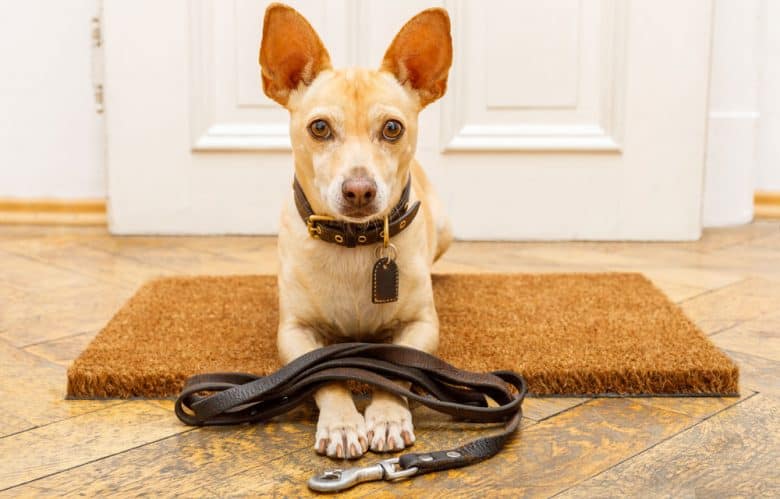
To avoid confusion, the fosterer shouldn’t linger on goodbyes or visit. Making it a quick clean break is the best way to give the rescue a new start.
When he first arrives at the new house, take him on a tour and don’t forget the leash. Start with his new toilet and make your way through your home, letting him take his time acquainting himself with the new environment.
If you have other pets, make sure to introduce them slowly and carefully. Give dogs at least three months to work out their hierarchy amongst each other.
Depending on the breed, some dogs might or might not get along with birds or cats. It’s something that you should discuss with the caretakers prior to adopting.
A word of caution, some dogs are extremely loyal and might make a run for it, so it’s important to not leave them unattended, especially in the first few months.
Conclusion: Is having a dog really worth it?
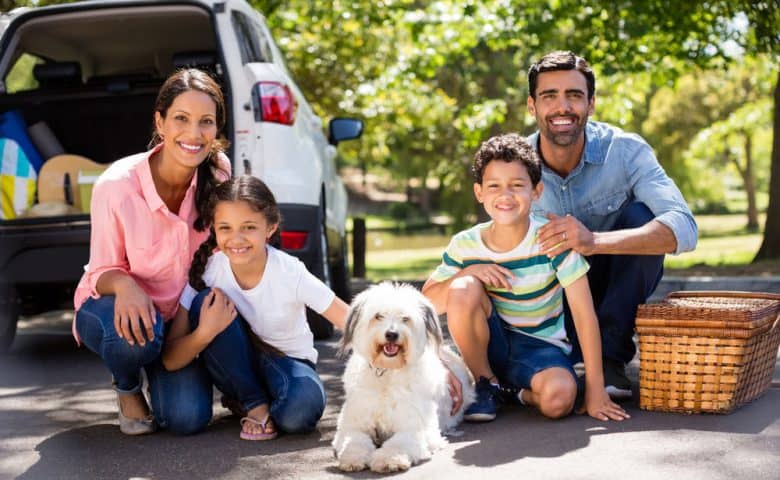
Having a pet dog is a rewarding experience, but it’s not for everybody. You’ll have a loyal companion who’ll always be there for you, but you are wholly responsible for your furkid.
From a dog lover’s perspective, the only downside to having a dog is that they have such fleeting lives.
Share this with your friends who are planning to get a dog, so they know exactly what to expect!
Reference
- https://www.businessinsider.com/9-reasons-to-own-a-dog-2014-12
- https://www.avma.org/resources-tools/avma-policies/guidelines-responsible-pet-ownership
- https://www.aspca.org/pet-care/general-pet-care/cutting-pet-care-costs
- https://www.scientificamerican.com/article/although-purebred-dogs-can-be-best-in-show-are-they-worst-in-health/#:~:text=As%20a%20result%2C%20purebred%20dogs,the%20kneecap%2C%20in%20toy%20and
- https://www.akc.org/expert-advice/home-living/how-to-help-an-adult-dog-adjust-to-a-new-home/
Cindy Moore is the founder of K9 Web. She started collecting, checking, and refining her comprehensive Dog FAQs since early 1992, most of it gathered from information originally disseminated on Usenet. Today, K9 Web covers virtually all things canine.