Endearingly called Yorkies, Yorkshire Terriers are known for their gorgeous, silky coat.
Not only that, but they’re also compact in size, making them wonderful pets for apartment dwellers. They also don’t need much exercise!
If you adore toy breeds and a Yorkshire Terrier sounds too good to be true, we’re here to help you understand this cutie better.
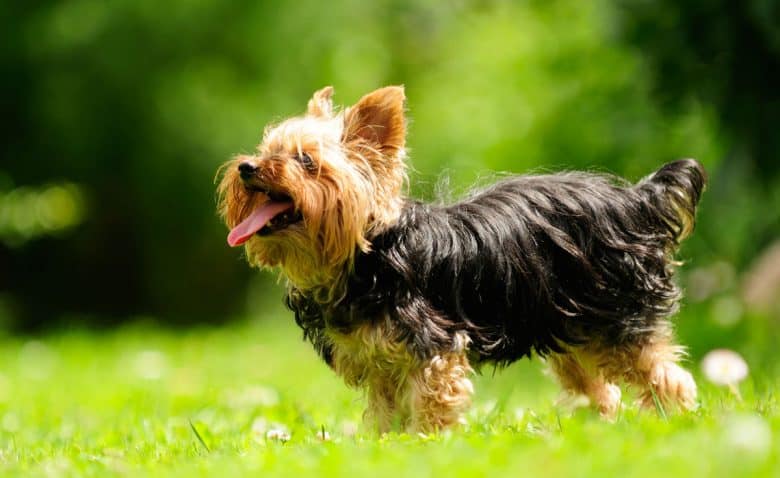
Keep scrolling and find out everything about this charming purebred.
Where does the Yorkie originate?
Yorkshire Terriers are likely a cross between the Clydesdale Terrier and either the English Black and Tan Toy Terrier or the Skye Terrier.
The Clydesdale Terrier came to Yorkshire, England with Scottish workers during the Industrial Revolution.
Originally, this dog breed was meant to hunt rats. Eventually, however, they were bred for their small size and became “domestic sidekicks” of high fashion.
This small dog was first registered in 1870 in Britain and did not make it to the United States until 1872.
The US revered the breed, and Yorkies made appearances in high society, including with the likes of The Nixon Family.
Yorkies are considered one of the most popular dog breeds. Being a purebred, the Yorkie is recognized by many organizations:
- CKC = Continental Kennel Club
- FCI = Fédération Cynologique Internationale
- AKC = American Kennel Club
- UKC = United Kennel Club
- KCGB = Kennel Club of Great Britain
- CKC = Canadian Kennel Club
- ANKC = Australian National Kennel Club
- NKC = National Kennel Club
- NZKC = New Zealand Kennel Club
- APRI = American Pet Registry, Inc.
- ACR = American Canine Registry
- DRA = Dog Registry of America, Inc.
- NAPR = North American Purebred Registry, Inc.
- ACA = American Canine Association Inc.
Famously silky coat: here’s what a Yorkshire Terrier looks like
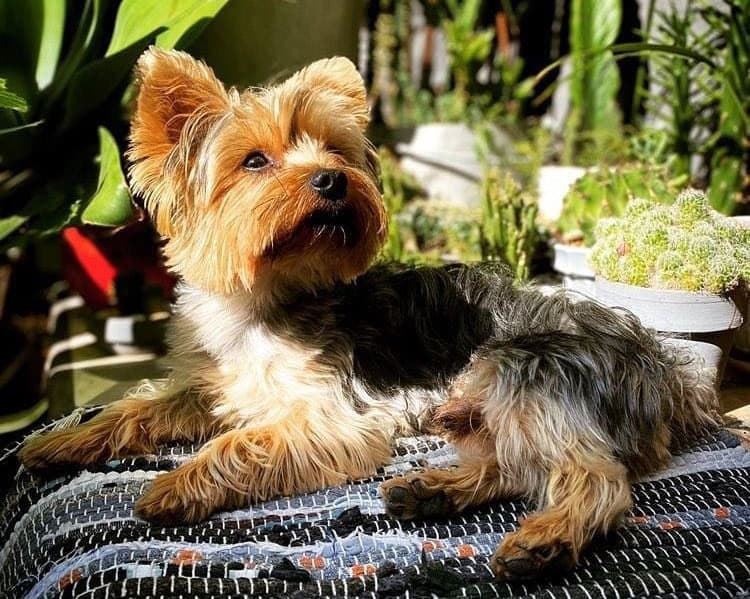
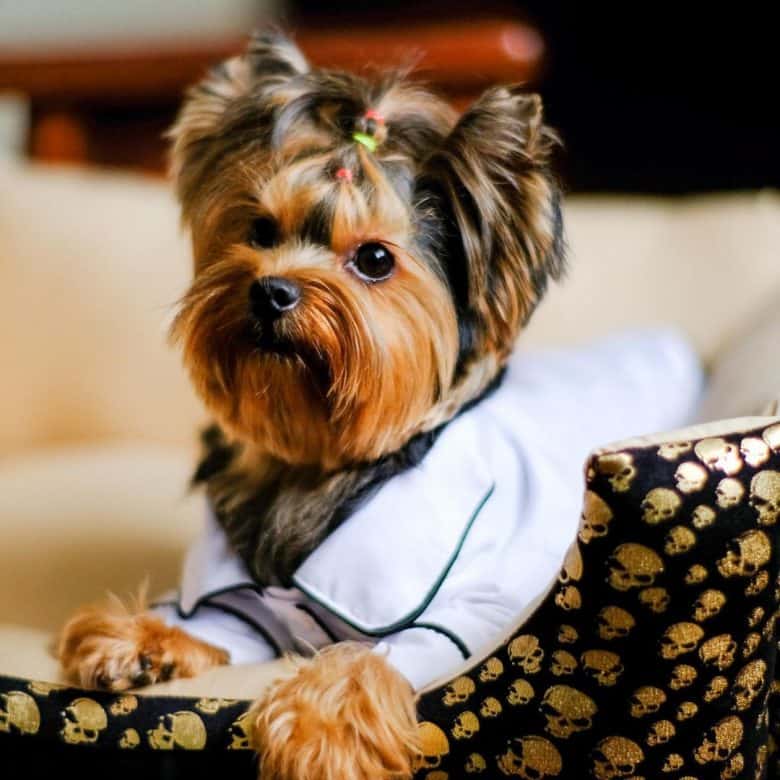
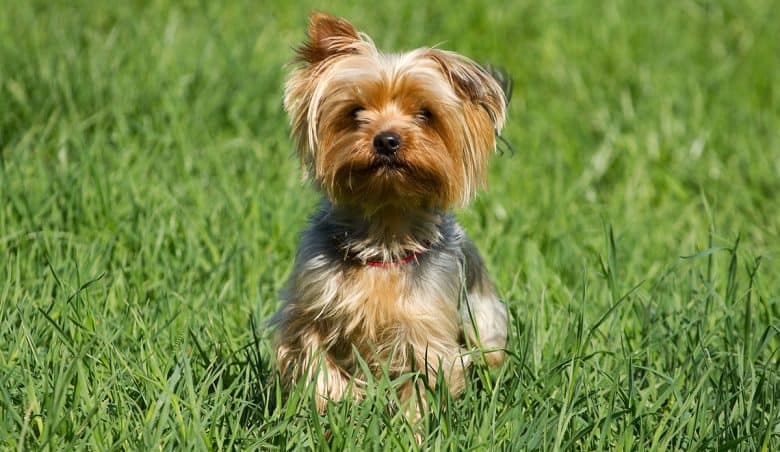
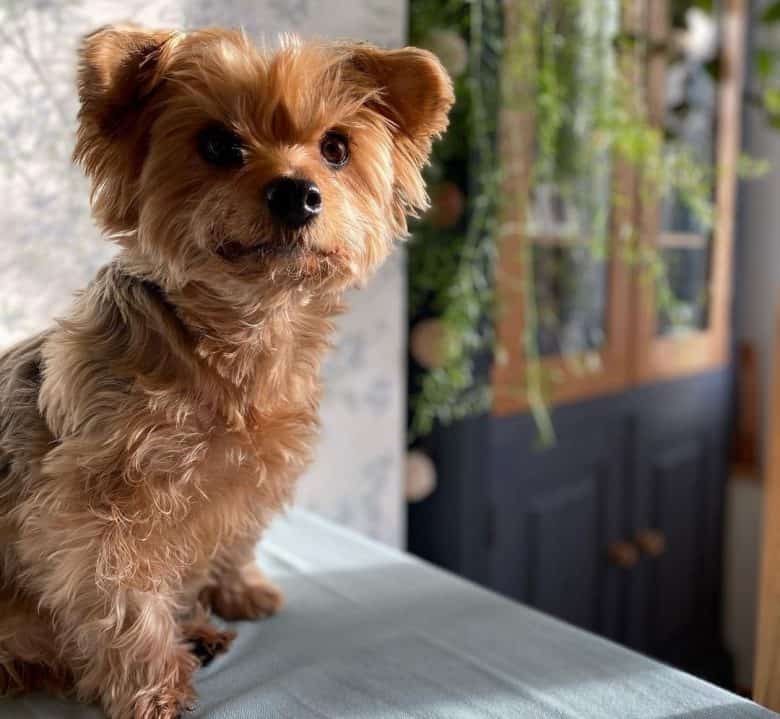
This dog breed is a toy dog, meaning it’s tiny. The Yorkie’s head is flat on top, boasting a medium-sized muzzle with a black nose.
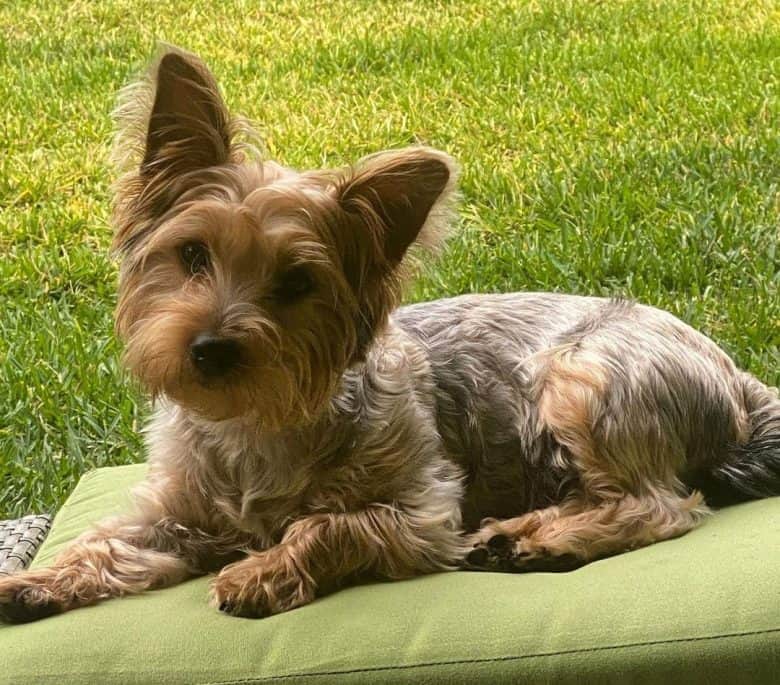
The ears are v-shaped and stand upright, and the legs are straight when viewed in front.
Yorkies have dark, beautiful eyes. If you notice your dog’s eyes watering frequently, don’t be alarmed! Excessive eye watering is normal for Yorkies due to the position of their eyelashes.
The positioning can cause many eye phenomena, one of which is abnormal tearing.
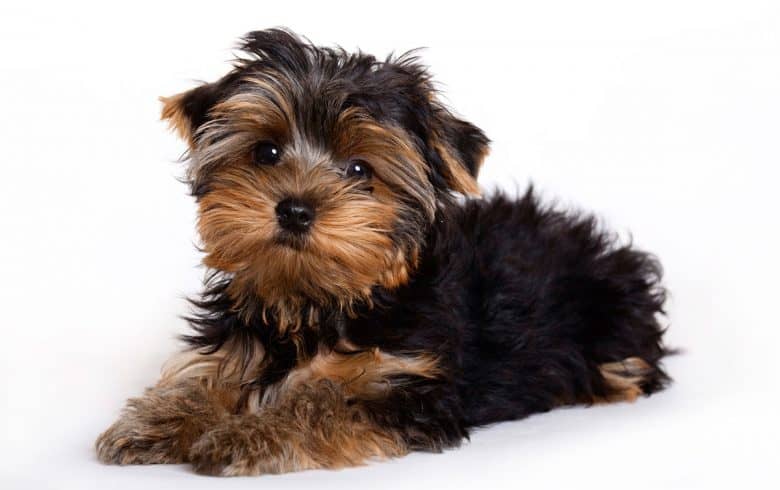
The most notable physical characteristic of a Yorkie is its coat. It comes in both a steel blue and tan color, though puppies are born brown, black, and tan, with the steel blue coming in later.
A Yorkie’s fur gets so long that regular trimming is a must, especially on the head for visibility.
Typically, the tail is docked, however, this is illegal in most parts of Europe. The body is small and compact with a straight topline.
How large do these toy dogs get?
Full-grown Yorkshire Terriers are around 8-9 inches tall at the shoulder and weigh approximately 4-6 lbs, no more than 7 lbs.
However, this breed varies dramatically in size, so it isn’t uncommon for one pup in the litter to get as large as 12-15 lbs.
Given their small size, this breed is perfect for apartment living and doesn’t require lots of space.
There is an even smaller variety of Yorkie: the Teacup Yorkie. This breed gets anywhere from 5-7 inches tall and weighs just 2-4 lbs.
Don’t miss out: Adorable Types of Yorkies
All about the stunning Yorkie coat
Although they have a very long coat, Yorkshire Terriers are hypoallergenic and shed very little. Their fur is a lot more human-like, meaning it contains fewer allergens and tends not to upset those with allergies.
Yorkshire Terriers possess two different kinds of coats, from smooth and silky to curly and wavy.
The Puppy Coat is that of, well, a puppy. It is short and curly while the dog is young before eventually growing out.
Once it grows out, the Yorkie then boasts a Silky Coat. This coat is long, straight, and silky to the touch. This long hair tends to get lighter as the dog ages, but it remains one of the breed’s most desirable characteristics.
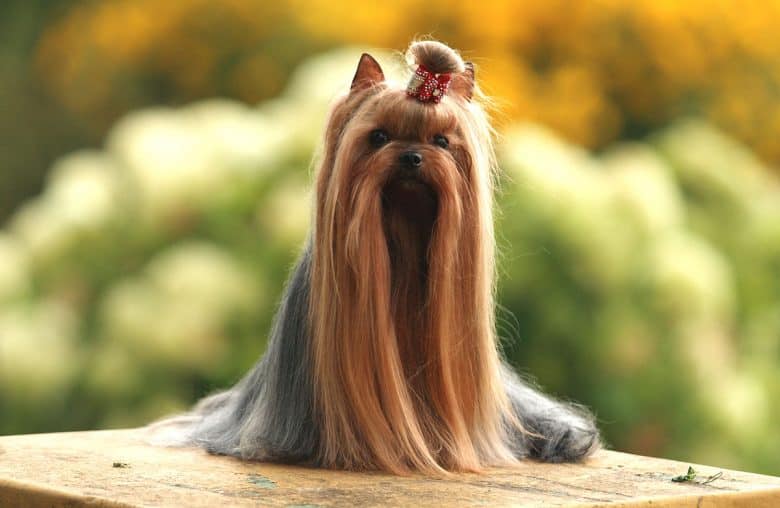
The American Kennel Club (AKC) recognizes five Yorkie coat colors:
- Black & Gold
- Black & Tan
- Blue & Gold
- Blue & Tan
- Parti Yorkie (Black, White, & Tan coat)
White Yorkies also exist, although they are incredibly rare and only occur if the dog is born with an albino disorder.
Don’t miss: The Different Yorkie Colors
Temperament: Is the Yorkie a good family dog?
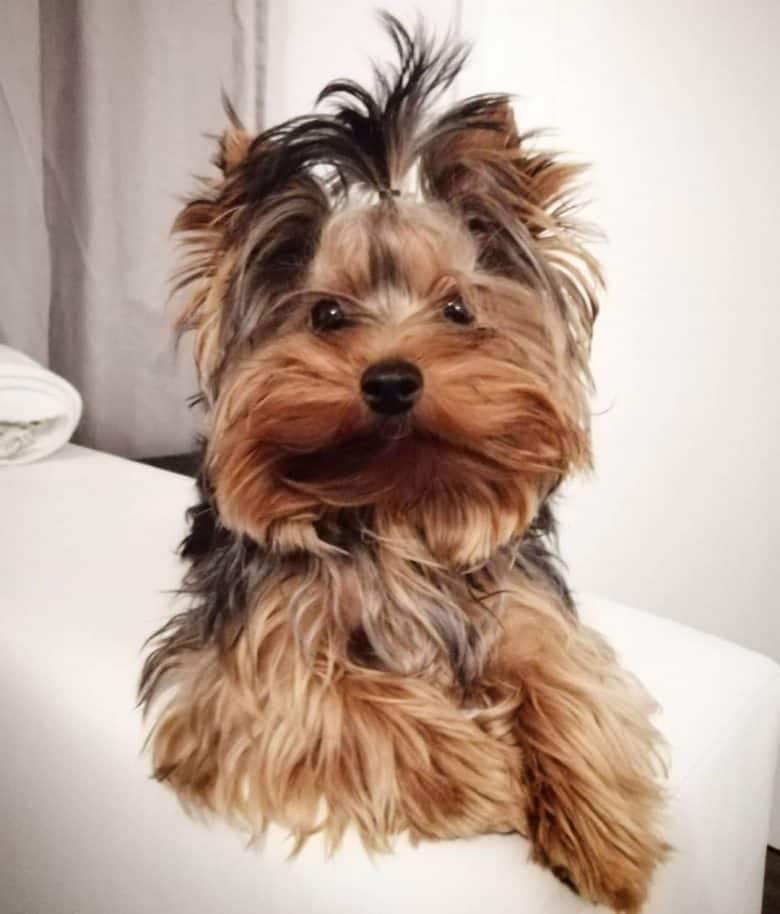
Although a small dog, and a lap dog, Yorkies sure don’t act like it. They’re always on the lookout for new adventures and can sometimes get into a bit of trouble.
Very affectionate towards their trusted pack, Yorkies make a good watchdog and tend to be wary of strangers.
They’re an extremely vocal breed and will bark at sounds they can’t recognize. Do not confuse this feisty behavior with aggression.
True to their heritage, these little dogs display a strong prey drive towards small animals, so be sure to take precautions when letting your Yorkie off the leash.
As long as they are properly socialized, Yorkies get along well with other animals, including dogs and cats. The same is true for kids, and Yorkies can make great family dogs.
You may notice your Yorkie shaking; this results from many things, most of which boil down to an excess of positive or negative emotion.
When Yorkies are overly excited, stressed, or suffering from separation anxiety, they tend to shake profusely.
Do Yorkshire Terriers bark a lot?
As mentioned previously, Yorkies tend to be a vocal breed. When they encounter people they do not know, Yorkies can bark excessively, so being wary of this in training is a must.
Yorkshire Terriers are companion dogs at heart, and they desire lots of attention. This means they are prone to separation anxiety when left alone for prolonged periods of time.
Although your Yorkie should know how to behave on its own, don’t push it by leaving him or her alone all day.
Yorkies are incredibly stubborn; the terrier in them is not receptive to training. Although incredibly smart, this breed is independent.
This means it is critical to start their training young, at less than 6 months of age, when they are more receptive.
Train them with exercise. Yorkies love romping around and will respond well to playtime training.
Be aware that Yorkies are notoriously difficult to potty train, as they prefer being indoors. Unlike most dogs, they have no problem soiling inside, and they often prefer it. Start young and be persistent.
Although this breed can be stubborn, they’re also loads of fun! Check out this funny compilation of Yorkies:
Caring for your Yorkshire Terrier
This breed tends to be higher maintenance, between their energy level and grooming needs.
Yorkies tend to be sensitive to extreme temperatures. Below 45 degrees, your Yorkie will struggle to regulate body temperature and stay warm. Conversely, temperatures too hot can cause heat exhaustion.
Exercise needs for this small breed
Yorkshire Terriers have a high energy level and need daily walks.
Like other breeds, this varies by individual dog, so if you notice your Yorkie running around the house, you may want to increase his or her daily walk volume.
How to groom a Yorkie’s famous, hypoallergenic coat
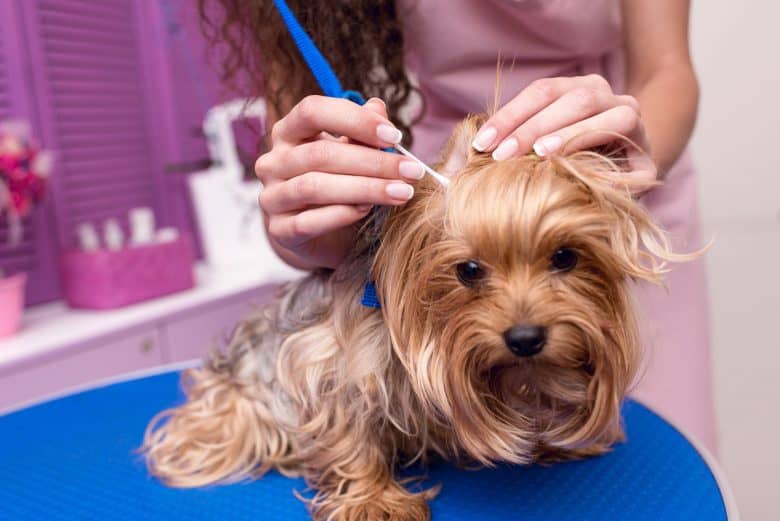
Given their coat’s length, Yorkies require daily to weekly grooming. Tie your dog’s topknot back with ribbon or something else to fix it in place.
Yorkies are prone to getting mats in their coat; if you notice this happening, switch to daily grooming.
Although long coats look nice and are required for show dogs, most casual Yorkie owners get their pup’s coat trimmed, so it is easier to maintain.
Should you choose to keep your Yorkie’s fur shorter, take him or her to a groomer. Yorkie coats can be challenging to cut, and doing so on your own may result in a funny-looking hairdo.
Bathe your dog weekly to keep the coat healthy. It isn’t necessary to scrub the coat; apply shampoo and gently run your fingers through. After a thorough rinse, apply the conditioner and rinse again.
In addition to coat care, it is essential to brush your dog’s teeth, clean out his or her ears, and regularly trim nails. This will keep your Yorkshire Terrier clean and happy.
Like many small breeds, Yorkies are prone to tartar buildup and dental problems, so teeth cleaning is particularly important.
All of this care prevents your Yorkie from building up a foul odor, which can result from these, to name a few:
- Lack of proper grooming
- Skin conditions due to allergic reactions
- Yeast infections
- Ear infections
- Periodontal disease
How do I feed my Yorkie?
Your Yorkie’s diet depends on age:
Newborn: nursing
- 5-6 weeks: nursing, wet food/kibble
- 2-4 months: free feed, 200-400 calories
- 5-9 months: 175-200 calories, 3-4 meals
Adult: 150-175 calories, 2-3 meals
Senior: 135-175 calories, 2-3 meals
Given how prone this small breed is to dental disease, feeding them dry food is best to protect their teeth.
Their kibble should be small and easy to eat, contain no artificial flavoring or coloring, have good amounts of omega-3, and contain good protein sources.
Like any dog, your Yorkie will appreciate a yummy snack. Some options to consider include Greenies (good for teeth), sweet potatoes, green beans, bananas, and strawberries. Healthy and nutritious!
There are also foods you must NEVER give your Yorkie, as they are poisonous.
These include grapes and raisins, chocolate, especially unsweetened baking chocolate, dairy products (Organic & Unsweetened Goat Yogurt is fine), any cooked bones, salty food, garlic, and onions due to thiosulphate, mushrooms, and nutmeg.
What health problems do Yorkies have?
Like any other breed, there are some health problems you need to be aware of before bringing home a Yorkie. Here are the most common ones:
Eye problems
- Progressive Retinal Atrophy (PRA) is common in Yorkies and describes the slow loss of vision in a dog, resulting in blindness. It is caused by the loss of photoreceptors in the back of the eye. Luckily, this can be detected long before the dog goes blind.
Ear problems
- Like many dogs, Yorkies can suffer from ear infections. Regular inspection and cleaning your dog’s ears can help prevent this. Signs include head shaking, vigorous scratching, a foul odor, brown or bloody discharge, and swelling of the ear canal.
Joint Problems
- Patellar Luxation occurs when the patella (kneecap), made up of the demur, patella, and tibia is not properly aligned. Common in small dogs, a luxating patella is present at birth and can eventually result in lameness or an abnormal gait. The most severe cases of patellar luxation require surgery to correct.
- Legg-Calve-Perthes Disease can also occur, and it is the result of the ball in the hip socket beginning to degenerate. This eventually leads to arthritis. If you notice excessive limping, take your dog to the vet.
Portosystemic Shunt (PSS)
- This is the result of an abnormal flow of blood between the body and the liver. The liver is responsible for detoxifying blood and metabolizing nutrients, so when it doesn’t function properly, issues occur. Symptoms can include lack of appetite, low blood sugar, gastrointestinal issues, UTIs, and so on, and these often occur before two years of age. A special diet and corrective surgery can help mitigate this problem long-term.
Hypoglycemia
- Referring to low blood sugar, hypoglycemia is common in small dogs, especially when stressed. Symptoms are similar to that of humans, including weakness, confusion, and seizure-like episodes. Be on the lookout for these signs and consult your vet.
Collapsed trachea
- If your dog exhibits a dry cough that doesn’t go away, he or she may be experiencing tracheal collapse. Medication or surgery can correct this issue.
Reverse sneezing
- This is a much less severe occurrence, though it can often be confused with a collapsed trachea. Reverse sneezing occurs when a dog eats or drinks too quickly or in response to allergens and typically lasts just a few minutes. This can be scary, but so long as you help your dog remain calm, the trachea will open back up and air will flow normally.
Other health issues include eye infections, teeth, and gum problems.
Since many of these health conditions are congenital, you must be aware of your Yorkie’s bloodlines.
Responsible breeders do health screenings on their breeding dogs, ensuring they do not pass any diseases to puppies. Visit offa.org for more information.
If your Yorkie is a rescue, or even if it’s a dog of strong genetic backing, take your dog to the vet annually for health screenings.
This allows you to catch any conditions before they become severe or untreatable, ensuring your dog stays happy and healthy.
A Yorkie’s life expectancy is generally 12-15 years. Most Yorkies over one year of age tend to die of respiratory disease, so be on the lookout for this.
Keeping an eye out for other common conditions will help ensure the longest life span possible for your pup.
How much will my furry Yorkie cost?
Yorkie litters average around four pups and bringing one of these companion dogs home will cost you anywhere from $1200-$1500 if they are AKC registered.
Read our article about Yorkshire Terrier Price to learn more about the factors that impact the price of Yorkie puppies.
Reputable Yorkshire Terrier breeders
The AKC has strict breed standards for their dogs, and Yorkies are no exception. If you want to purchase a puppy, start on the AKC’s website to find a reputable breeder in your area who meets stringent standards.
If you cannot find a suitable match on the AKC’s website, contact any of the other organizations mentioned at the start of this article who recognize Yorkies as a registered breed.
Ultimately, choosing the right breeder depends on your preferences. Find a breeder in your area, your price range, and who socializes their puppies in a way you like.
This is a very personal choice, but whichever breeder you select, make sure they are responsible and reputable.
Adopting a rescue Yorkie
If you want to rescue a Yorkie, here are a few organizations to start with:
- Rescue Me Yorkie Rescue
- United Yorkie Rescue
- Yorkshire Terrier National Rescue Inc.
- YTCA Rescue, Inc.
Adoption fees will vary, but this is generally a much more cost-effective way to welcome a Yorkshire Terrier into your home.
Take caution, however, as you likely will not know the genetic origins of your dog and may be faced with some expensive vet bills down the line.
Unfortunately, rescue dogs often come with issues due to a colored past. Take extra precautions when choosing a rescue dog.
Make a list of requirements for your new dog, from behavior at home to tendencies towards strangers.
The rescue organization, if it’s responsible, will know its dogs very well.
Presenting the organization with a stringent list of requirements for your new companion will help them find the best match for your lifestyle, ensuring a compatible relationship.
If you’re considering adopting a Yorkshire Terrier, then take a look at some of the cutest Yorkie names for your new pup.
Part Yorkie, part other dog: what Yorkie mixes exist?
If you like some characteristics of this terrier dog but don’t want a purebred, consider these breeds:
Morkie
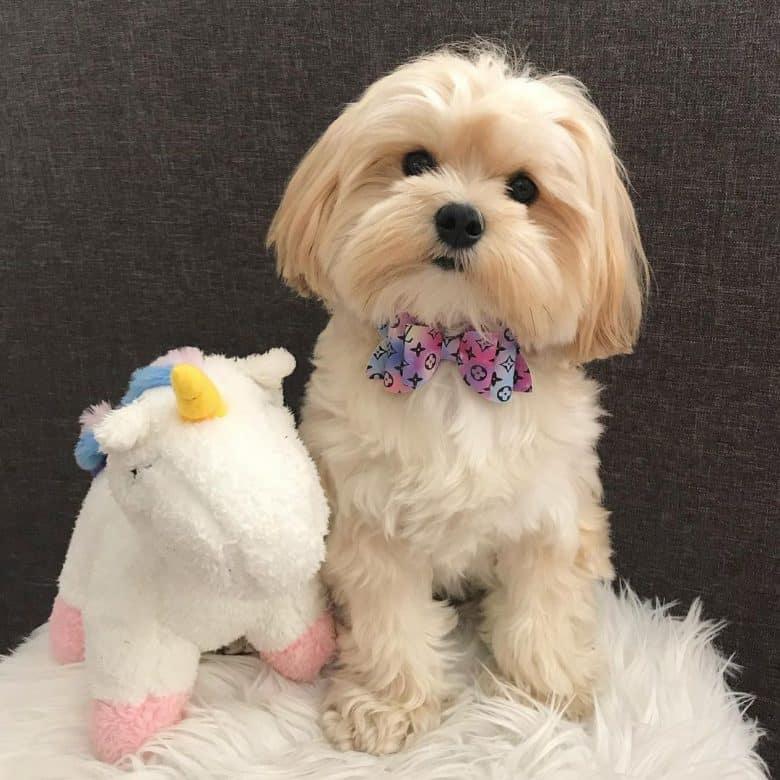
This is a Maltese crossed with a Yorkie. These pups are little, energetic, and wonderful companions.
Yorkipoo
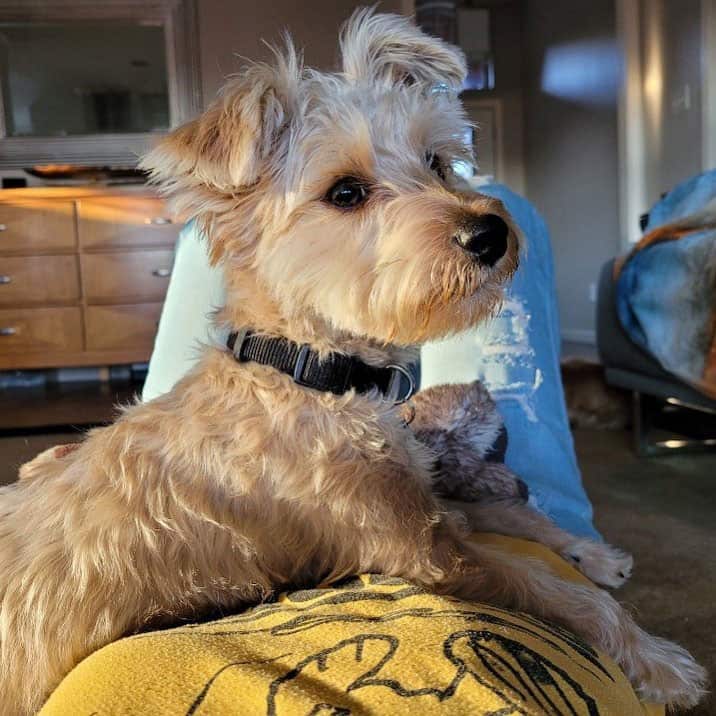
A Yorkipoo is a Yorkie mixed with a Miniature Poodle. These dogs make great apartment companions and are gentle and intelligent. Beware that, like the Yorkie, they tend to be very vocal!
Shorkie
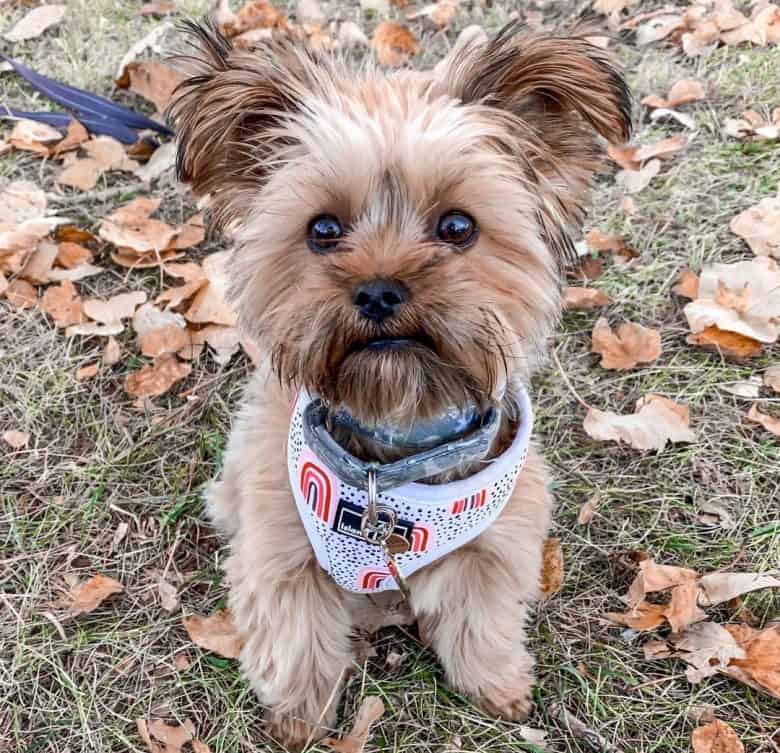
A cross between a Shih Tzu and a Yorkie, this breed is loyal, small, and fierce. Like many toy breeds, this mix is small and energetic.
Here is an article with further info on Yorkie Mixes.
Is this small, energetic dog breed right for you?
If you’re looking for an intelligent companion, a Yorkie can make the perfect dog. Although this dog requires daily exercise, its small stature makes it perfect for apartments.
This breed is vocal and requires regular grooming, so make sure you are okay with this.
Yorkies make wonderful, fun-sized companions.
Interested in a Yorkie? Let us know!